(+44) 7900 515 552
16 Nov 2026
 insurance backed guaranteeinsurance backed guarantee
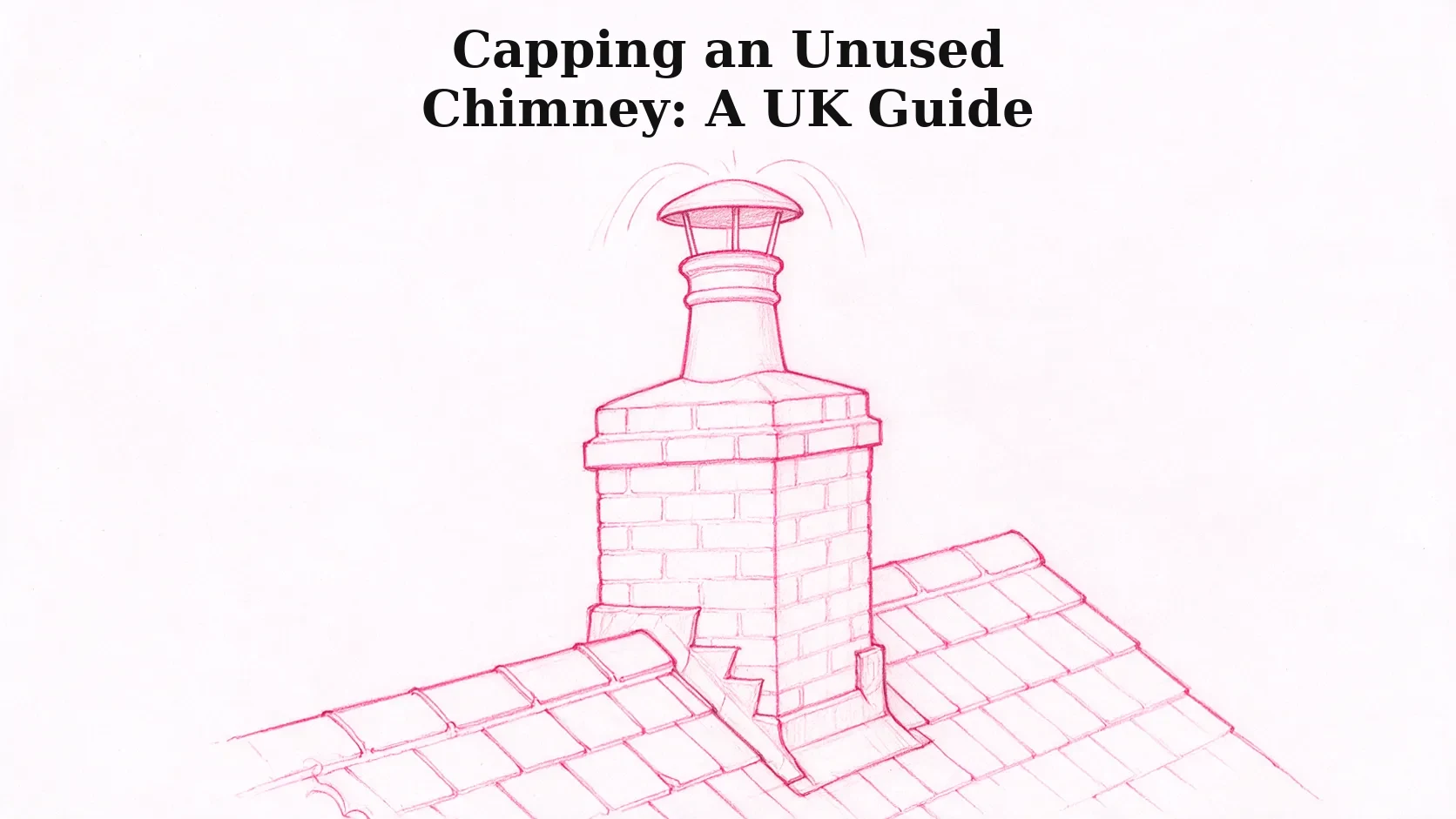
If you have taken out an open fire, blocked up a hearth, or bought a house where the chimney has not been used in years, there is a decision still waiting for you on the roof. An unused flue is not a problem you can simply forget about.
Left alone, it is one of the most common causes of damp that homeowners never think to check, mainly because nobody looks up at a chimney they stopped using years ago.
This guide covers what capping an unused chimney actually involves, what it costs in the UK, and why doing it properly means venting the flue, not sealing it shut. It also covers the two situations where capping is not the right answer at all, and how to spot a job that has not been done properly.
A working chimney dries itself out. Heat from the fire below pulls air up the flue and keeps the brickwork and the flue lining reasonably dry, even in wet weather. Take the fire away and that drying mechanism goes with it.
Rain still falls straight down an open chimney pot whether anyone lights a fire or not. With nothing drying it out between showers, that moisture sits in the flue, soaks into the brickwork, and eventually shows up as a damp patch on the chimney breast or a musty smell from a fireplace nobody uses.
Left for long enough, this pattern causes genuine structural damage: crumbling mortar, stained plaster, and in cold spells, frost damage as trapped moisture freezes and expands inside the stack. It is a slow problem, which is exactly why it gets missed.
An unused chimney has three realistic futures, and which one fits depends on the stack’s condition and what you want from the space, not just the damp.
If the stack itself is structurally sound and you simply want to stop rain, birds and debris getting in, capping is almost always the right call. It is quick, affordable, and reversible if you ever want to reinstate the fire.
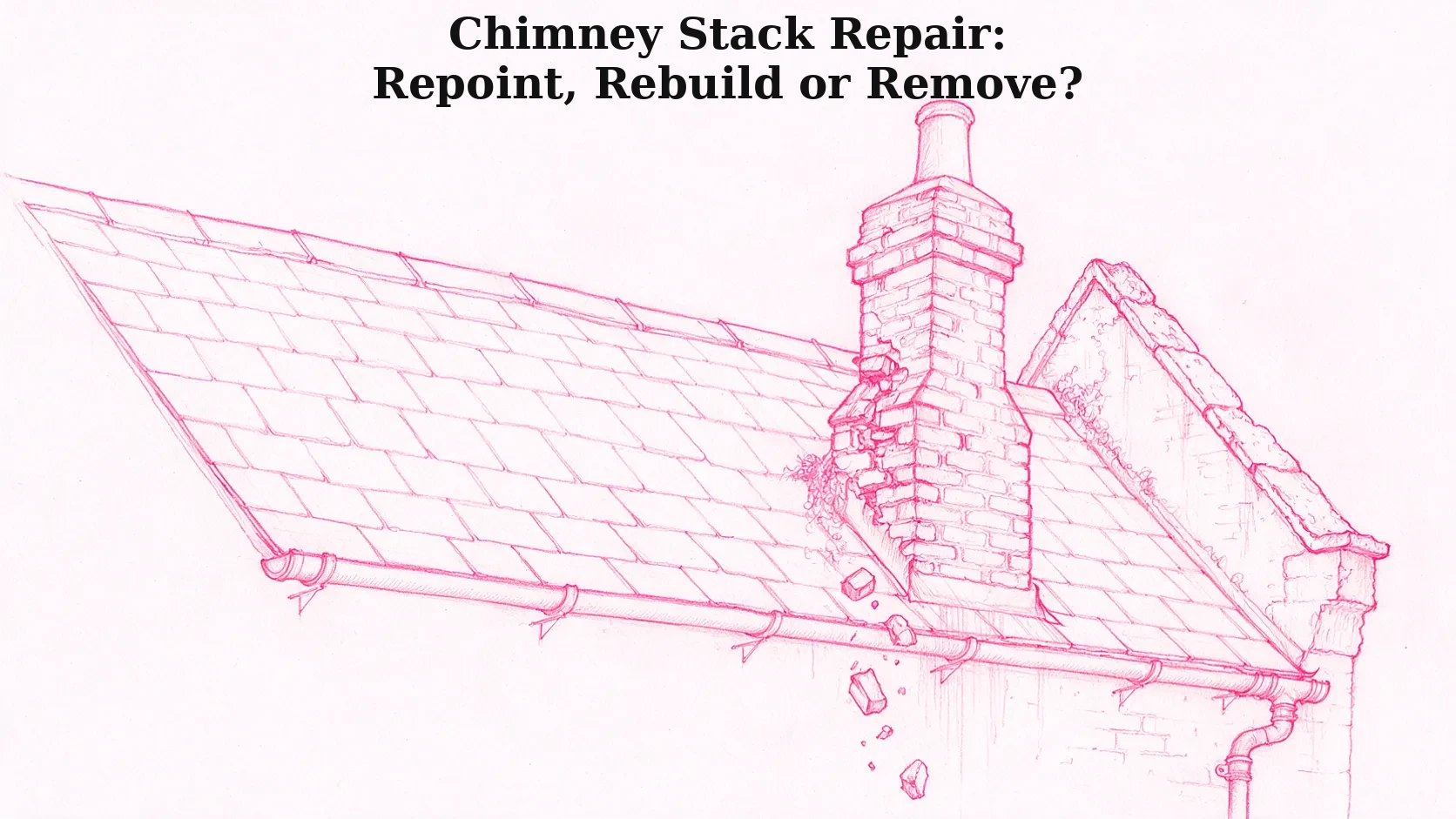
A cap will not fix spalling brick, failed pointing or a leaning stack. If the chimney itself is deteriorating, capping it just stops rain making things worse while the underlying problem carries on. Our guide to chimney stack repair, repointing and rebuilding covers how to tell which one you are dealing with.
If you are converting the loft, do not want the stack taking up space or weight on the roof structure, or the chimney breast has already gone downstairs, full removal is often the tidier long-term option. See our guide to removing a chimney stack for what that involves and what it costs.
Capping is the cheapest of the three options, but cheapest only works out well if the stack is actually sound. Get that checked before you spend money on a cowl.
It is tempting to think the safest fix is to block the flue completely, the way you might cap off an old pipe. For a chimney, that is usually the wrong move.
A flue that is fully sealed with no airflow at all traps whatever moisture is already inside it. Instead of drying out, the brickwork and lining stay permanently damp, which is how a quick fix ends up causing the exact problem it was meant to solve.
Trapped moisture does more than cause a smell. In a cold spell it can freeze and expand inside old lime mortar, the same freeze-thaw cycle that damages chimney stacks generally, and it can stain plaster on the chimney breast well below roof level.
A proper cap or capper allows some ventilation through the top while keeping rain, birds and nesting material out. That airflow is what keeps the flue dry over time, and it is the detail that separates a job done properly from one that quietly causes the next problem.
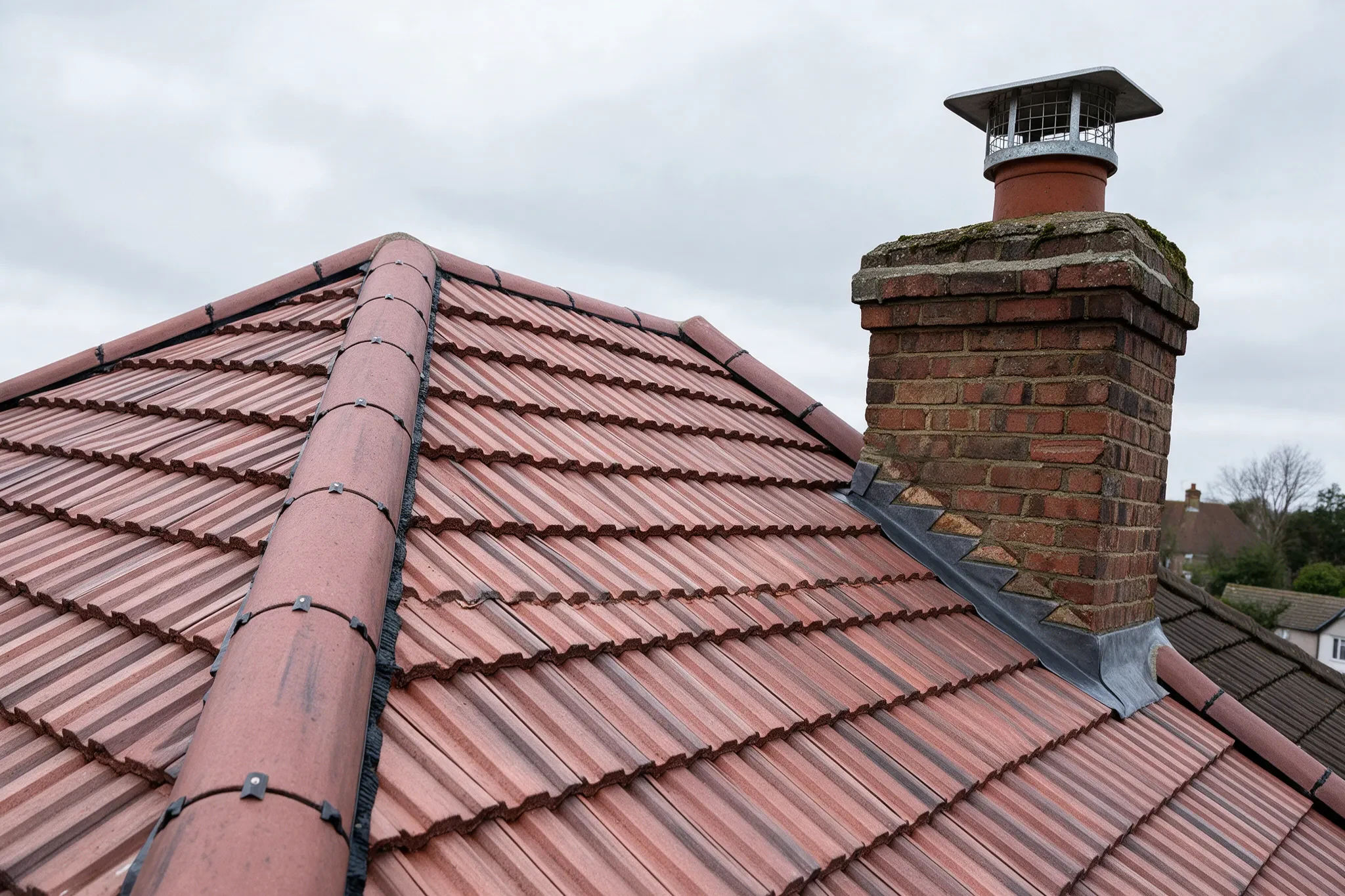
Not every cowl does the same job, and fitting the wrong one can cause its own problems, particularly if the chimney is still connected to a working appliance.
For a chimney that is simply out of use, the capper is almost always the right choice. The others are built around keeping a working fire drawing properly, which is not the problem you are solving.
Chimney cowl and capping prices vary by job, but UK trade cost guides give a consistent picture of what to expect.
| Job | Typical UK cost |
|---|---|
| Capping a disused chimney | From around £100 |
| Fuel-specific cowl fitted, no scaffolding | £150 – £190 |
| Multi-purpose cowl fitted, no scaffolding | £170 – £215 |
| Average cowl fitting job overall | £200 – £250 |
| Scaffolding (where needed) | £150 – £300 |
| Chimney inspection | Around £75 |
| Minor repointing alongside the job | Around £200 |
Access is the biggest factor. A chimney reachable from a ladder costs noticeably less than one needing a scaffold tower, and scaffolding alone can add £150 to £300 depending on how long it is needed.
Labour tends to run higher in London and the South East than elsewhere in the UK. Any repointing or flashing work found during the job, rather than the capping itself, is usually what turns a simple job into an expensive one.
Most simple jobs are done within a day: the fitting itself takes around an hour, with another 30 to 60 minutes if scaffolding needs to go up first. Set against the cost of ignoring the problem, a £100 to £250 job that heads off a repointing bill later on is usually money well spent.
A disused chimney is an obvious nesting spot, and that matters before you fit anything over it. Any bird’s nest must be fully cleared before a cap goes on, since sealing birds inside a flue is both cruel and likely to block it entirely.
If the stack has been home to bats, UK wildlife law protects them even once they have moved on, which changes what work you can do and when. Our guides to pigeons on your roof and bats and roof work cover both in detail, including what to look for and when you need specialist advice before any work starts.
A good contractor checks for nesting before they fit anything, not after. It is a five-minute look that avoids a much bigger headache later.
A capping job is quick, but it is not a five-minute fit-and-forget task if it is done properly.
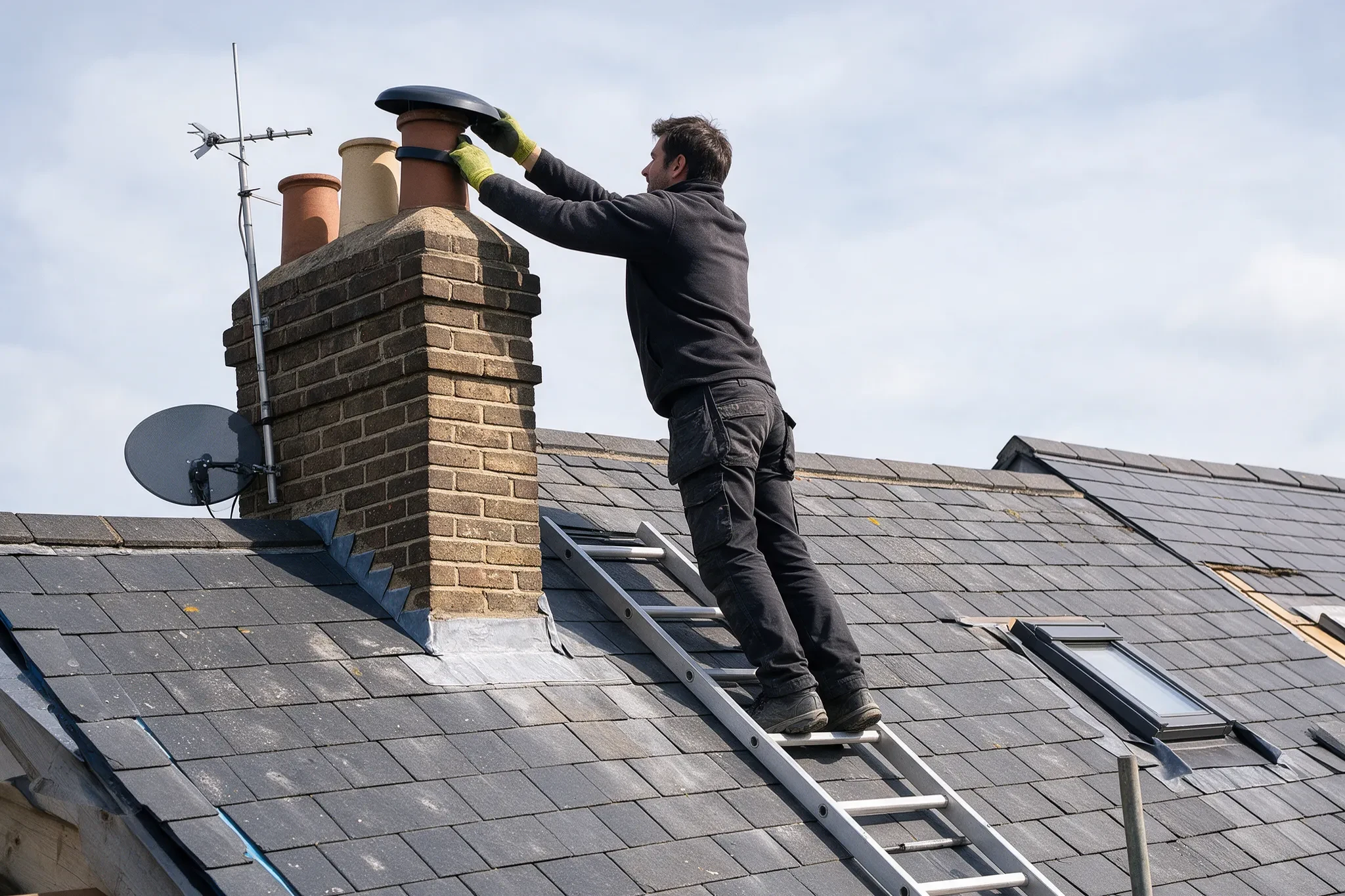
Capping is simple, but it is also easy to get wrong, usually by sealing the flue too tightly.
Chimney work is roof-height work on an old, often irregular structure, and it is worth choosing a contractor on more than price alone. A job this small is also an easy one for a less careful contractor to rush, which is exactly when a flue ends up sealed too tightly.
We are members of the Confederation of Roofing Contractors, and every job we carry out is backed by an insurance-backed guarantee, so the work is protected even if anything unexpected happens down the line. Our full guide to choosing a roofing contractor covers what to check before you book anyone for chimney work.
If you have noticed a musty smell, a damp patch, or simply have a chimney you no longer use, get in touch for a free assessment and we will tell you plainly whether you need a cap, a repair, or nothing at all.
It is possible for a simple, ladder-accessible chimney, but working at roof height carries real fall risk, and it is easy to fit the wrong type of cap or seal the flue too tightly without realising. Most homeowners are better off paying the roughly £100 to £250 for a professional job.
It should stop new rainwater getting in, which is the main cause. If damp has already soaked into the brickwork, it can take weeks or months to properly dry out even after a cap goes on, so do not expect an overnight fix.
No, capping a disused chimney is maintenance rather than building work, so it does not trigger a building regulations application the way removing a chimney stack can.
In practice the terms overlap, but a cap or capper is specifically for a disused flue that is not in use, while a cowl usually refers to a fitting designed for a flue that is still working, solving problems like downdraught rather than simply sealing it.
Yes, most capping methods are designed to be removed or reversed, though you will also want the flue swept and checked by a competent professional before lighting a fire again after any length of time unused.
A capped, unused flue is not producing carbon monoxide itself, but if a nearby appliance shares ductwork or the chimney breast, or if the cap is fitted incorrectly on a flue that is still connected to anything, get it checked by a professional rather than assuming it is safe.
Look for crumbling mortar, a visibly leaning stack, loose or cracked pots, or bricks that feel soft or are shedding material. Any of these point to a repair or rebuild job rather than a simple cap, covered in our chimney stack repair guide above.
The fitting itself is usually around an hour. Add 30 to 60 minutes if scaffolding or a tower needs setting up first, and most simple jobs are finished within a single day.
Ongoing damp damage from an unventilated flue tends to fall into the same grey area as any other long-term maintenance issue, which standard buildings insurance covers poorly, if at all. That is one more reason to deal with it as routine maintenance rather than waiting for it to become a claim.