 (+44) 7900 515 552
01 Apr 2026
 insurance backed guarantee
insurance backed guarantee
insurance backed guarantee
Think of a roof inspection report as the complete MOT certificate for your home’s roof. It’s a professional document that breaks down the condition of every single component, translating an expert’s on-site findings into a clear, actionable summary for you, the homeowner. It is an absolutely vital tool for protecting your property investment.
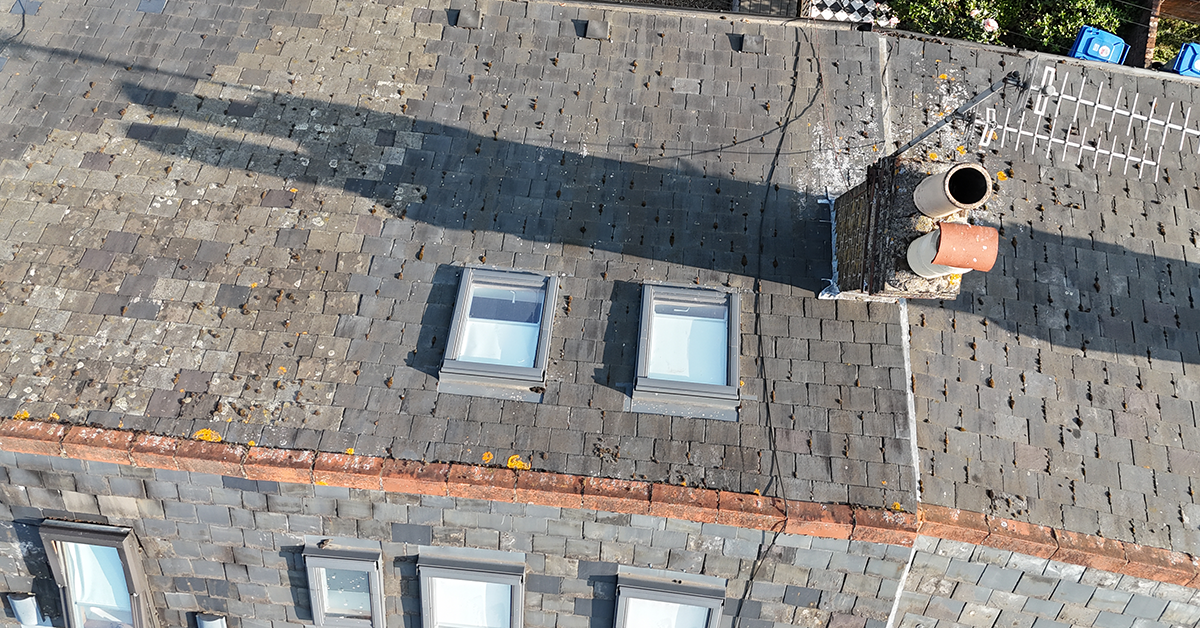
A professional roof inspection report goes far beyond a quick look from the ground. It is a thorough health assessment for your property, identifying problems that are happening right now and flagging potential risks that could cause trouble down the line. For homeowners across Berkshire, where the wind and rain can feel relentless, this document is your first line of defence against expensive, unexpected repairs.
It’s all about catching the small things, like a single slipped tile or a tiny crack in the lead flashing, before they spiral into major headaches like timber rot, damp, and serious structural damage. Having this report in hand empowers you to make properly informed decisions, whether you’re buying, selling, or simply looking after your home.
There are a handful of common scenarios where a detailed roof inspection report becomes absolutely crucial. It provides total clarity and a documented record of your roof’s health, which is priceless in so many situations.
You’ll most likely find yourself needing a report for one of these reasons:
A detailed roof inspection report acts as your roadmap to a secure and healthy roof. It not only identifies existing faults but also helps you anticipate future maintenance needs, saving you from the stress and expense of emergency repairs down the line.
At the end of the day, this document is much more than a simple list of problems. It is a strategic tool that gives you a crystal-clear picture of your roof’s health and provides a professional plan to keep it protecting your home for years to come. For expert advice and a comprehensive roof inspection report, contact All Custom Roofing. We serve homeowners and businesses in Windsor, Slough, Maidenhead, Bracknell, and across Berkshire.
Getting a multi-page roof inspection report can feel a bit overwhelming, especially when it is packed with technical terms. The trick is to stop seeing it as one big document and instead view it as a storybook for your roof, with each section being its own chapter.
A professional report, whether for a home in Maidenhead or a business in Woking, is always structured logically. It guides you from the most visible parts of the roof down to the hidden framework that holds everything together. This methodical approach ensures nothing gets overlooked and helps you connect the dots between different components.
Let’s break it down, section by section, turning that technical jargon into clear, actionable advice about the health of your home.
This is the big one: the part of the report that deals with what you see from the street. It is all about the condition of your tiles, slates, or flat roof membrane, which is your home’s first line of defence against the famously unpredictable UK weather.
Your inspector will be on the lookout for specific signs of trouble, including:
Beneath the surface, you’ve got the hidden skeleton that supports the entire roof. This section of the inspection digs into the health of the timber structure and the protective membrane sitting just under the tiles.
If they can get access to your loft space, the roofer will assess the roof timbers (the rafters and trusses). They’re looking for any tell-tale signs of sagging, which could point to a structural weakness, as well as evidence of woodworm or rot caused by persistent damp.
They’ll also examine the underlay, that black felt or modern breathable membrane. Its job is to act as a secondary barrier against wind-driven rain that might sneak past the tiles. Your report will flag if this layer is torn, brittle, or sagging, as its failure can cause leaks even when all your tiles seem perfectly intact.
A solid structure is the backbone of a healthy roof. Problems noted here, like damp timbers or a failing underlay, often need more urgent attention than a few slipped tiles on the surface.
Think of these as the critical connection points on your roof: the places where different sections meet or where things like chimneys and vents poke through. If you’ve got a leak, there’s a good chance one of these areas is the culprit.
This part of your roof inspection report will meticulously detail the state of:
Finally, the report turns to your roof’s drainage system. Your gutters, fascias, and soffits do more than just add a finishing touch; they’re vital for managing rainwater and protecting your home’s foundations from water damage. An effective drainage system is non-negotiable for any property, from a terraced house in Slough to a detached home in Bracknell.
The inspector will look for blockages in gutters and downpipes, which can cause water to overflow and cascade down your walls, leading to damp issues. They’ll also check the condition of the fascias and soffits, looking for rot in timber boards or cracks in uPVC, which often points to a hidden moisture problem. They’ll also make sure any soffit ventilation is clear, as this is crucial for preventing condensation build-up in your loft.
For a clear, detailed roof inspection report for your Berkshire property, contact All Custom Roofing in Windsor. We provide expert assessments to help you protect your home.
So, you’ve got the roof inspection report in your hands. Now what? The next step is figuring out what all those notes and photos actually mean for your home. Think of the report not just as a list of observations, but as a diagnosis of your roof’s overall health. Understanding the link between a problem, its cause, and where it could lead is key to making a smart decision.
This is especially true for properties across Berkshire. The classic British mix of wind, rain, and fluctuating temperatures puts constant stress on roofing materials. A small issue flagged today could easily snowball into a major, costly headache if it is ignored.
To give you a better idea, here’s a look at the key areas any professional roofer will focus on, from the outer covering right down to the drainage systems.
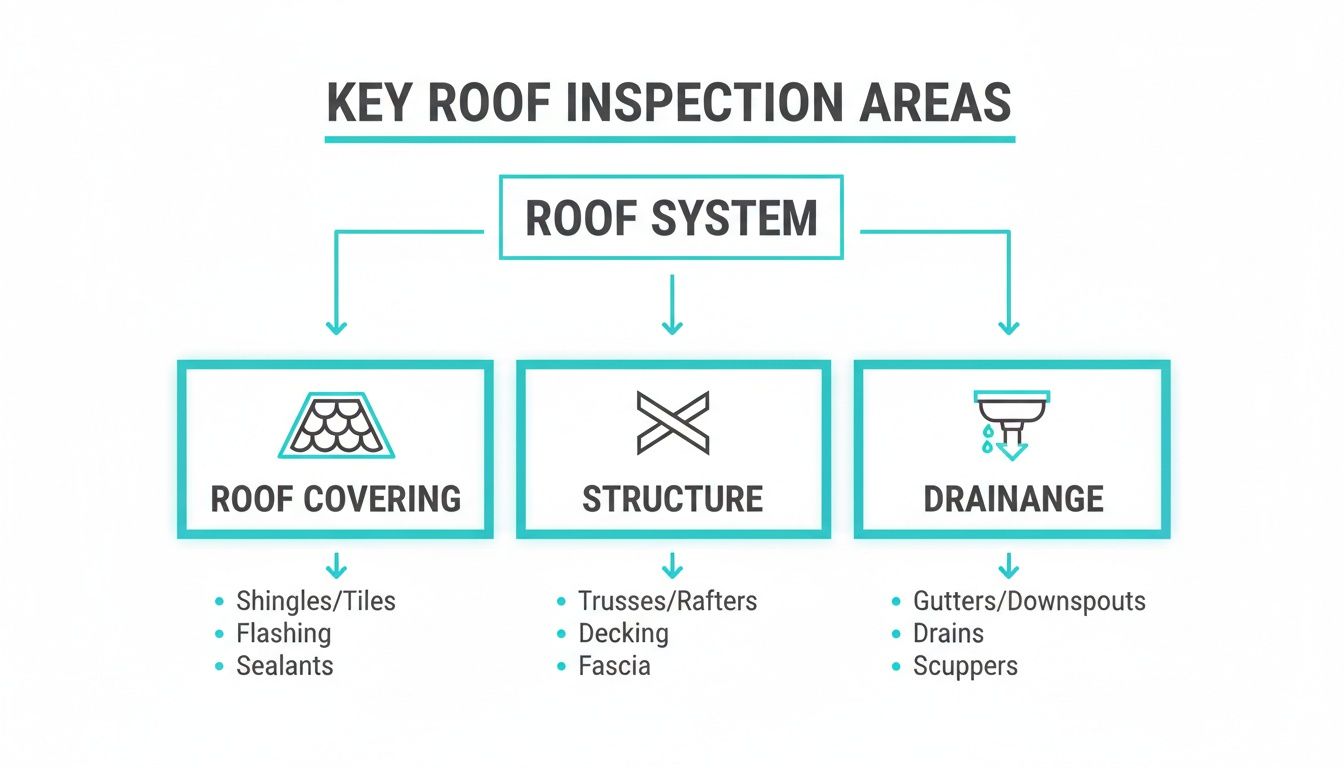
This diagram shows how every part of the roof is connected. A failure in one area, like the tiles, can quickly compromise the underlying structure and drainage. Let’s break down some of the most common findings you’re likely to see and what they mean in practical terms.
This is probably the most frequent issue we see on a roof inspection report. It’s tempting to dismiss one or two cracked tiles as a minor problem, but the knock-on effects can be surprisingly severe.
A bit of green on the roof might look quaint and rustic, but a thick carpet of moss is a red flag that any good inspector will highlight immediately.
This one’s a silent threat. A thorough inspection, which includes checking your loft space and soffits, will uncover it. Poor ventilation can cause more long-term damage than a visible leak.
It is not just an issue for older homes, either. An alarming 16% of new build homes fail to meet minimum roof ventilation standards, setting them up for problems like timber rot and damp insulation from the get-go. In fact, poor ventilation contributes to a staggering 33% of roof replacements needed due to leaks and moisture damage.
Think of it this way: inadequate ventilation allows your roof space to “sweat.” This trapped condensation can rot structural timbers from the inside out and make your insulation damp and useless, which in turn drives up your energy bills.
Flashing and mortar are the critical seals that protect the most vulnerable points on your roof, like around chimneys or along the ridge. When they fail, water gets in, and fast.
If your roof inspection report flags any of these issues for your property in Windsor, Reading, or the surrounding towns, it is best to act sooner rather than later. Get in touch with All Custom Roofing for a clear, no-obligation quote to put things right and protect your home for the long term.
When a storm hits your home, the aftermath can be incredibly stressful. In those moments of uncertainty, a professional roof inspection report becomes one of the most powerful tools in your arsenal. It is far more than just a list of problems; it is the official evidence your insurance provider needs to process your claim fairly and quickly.
An insurer’s primary job is to confirm that any damage was caused by a specific event, like a hailstorm or high winds, and not by gradual wear and tear. A detailed report from a trusted local roofer acts as a clear, time-stamped record of your roof’s condition right after the incident, making it much harder for them to dispute the cause.
To get a claim approved, insurers need concrete, undeniable proof. Just saying you have “storm damage” isn’t going to cut it. A high-quality report turns your claim from a simple request into a solid, well-supported case, giving you the best possible shot at a positive outcome.
Your report needs to tick a few critical boxes:
Think of it this way: a comprehensive report essentially pre-answers every question an insurance adjuster might have. It lays out a clear story backed by solid evidence, which can dramatically speed up the claims process and cut down on the frustrating back-and-forth.
Submitting a thorough roof inspection report right from the start shows you’re taking the claim seriously. It proves you’ve had the damage professionally assessed and are seeking a fair settlement based on an expert’s findings. This immediately puts you in a stronger position and sets a professional tone for every interaction that follows.
But even with a rock-solid report, the process isn’t always a walk in the park. Insurance claims can sometimes be denied for various reasons. If that happens, it is important to know your options and what to do next. Learning more about handling a denied roof claim can give you some valuable guidance.
For homeowners in Windsor, Slough, and across Berkshire who’ve suffered roof damage, working with a local company like All Custom Roofing can make a world of difference. We create detailed, insurance-ready reports specifically designed to meet the strict criteria of providers, helping you navigate the entire process with confidence.
Getting a roof inspection report can feel a bit overwhelming, especially when it flags up a few different issues. But instead of seeing it as a list of problems, think of it as a clear roadmap. It gives you the information you need to move forward logically and protect your property without the stress.
The first step is always to prioritise. A good, professional report won’t just list faults; it will clearly separate the urgent fixes from the long-term recommendations. Your job is to sort the “must-dos” from the “should-dos” to create a sensible plan of attack.
Not every issue uncovered in your report is a five-alarm fire. A professional roofer will categorise their findings to help you see what needs tackling now and what can be scheduled for later.
This usually breaks down into two camps:
By looking at the findings this way, you can direct your budget and attention where it is most needed, securing the integrity of your Windsor home first.
Once you know which repairs are your priority, the next step is getting a detailed, transparent quote. A vague estimate is a major red flag. You need a clear, itemised document that breaks down every part of the job so there are no surprise costs later on.
A professional quote from a reputable Berkshire contractor should always include:
This level of detail means you know exactly what you’re paying for. To get a better feel for typical expenses, you might find our guide on what to expect from roof repair costs in the UK helpful.
With repair work on the horizon, it is worth knowing that the UK roofing industry is incredibly busy. In the third quarter of 2023, 40% of roofing contractors reported an increase in workloads, a trend driven largely by storm damage and older roofs needing urgent care. The Southern Counties, which includes our areas like Windsor and Maidenhead, actually led this trend, with a huge 53% of contractors reporting more work. You can dive deeper into these figures and read the full NFRC report on Glenigan.
This high demand really highlights how important it is to choose a reputable, local contractor who won’t cut corners. You want a company with a solid local presence, great reviews, and a commitment to clear, honest communication.
At All Custom Roofing, we know that unexpected roof repairs can put a strain on your finances. That’s why we take a customer-first approach, providing not only transparent quotes but also flexible finance options. We want to make essential repairs more manageable for families and businesses across Windsor, Slough, Bracknell, and the surrounding towns, so you can act on your roof inspection report with complete confidence.
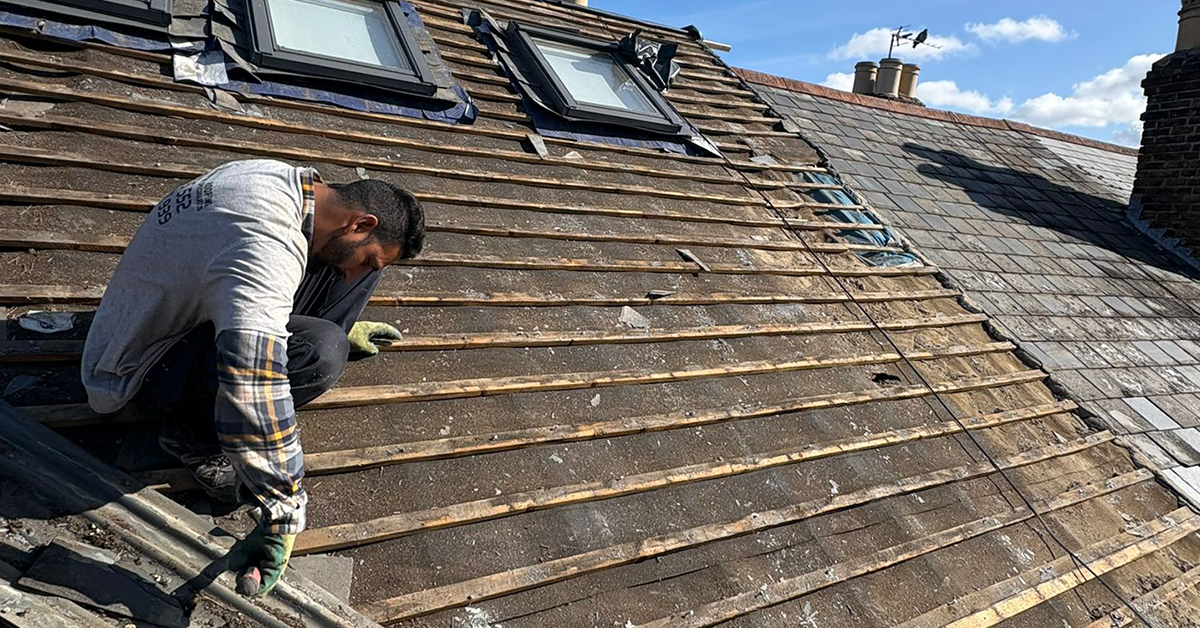
We believe in complete transparency, right from your first phone call to the moment we hand you your detailed roof inspection report. When you get in touch with our Windsor-based team, we’ll find a time that works for you to visit your property, whether you’re in Maidenhead, Wokingham, or anywhere else across Berkshire. Our entire process is designed to be thorough without being disruptive, giving you a crystal-clear picture of your roof’s condition.
It all starts with a comprehensive visual check from the ground up. From there, we get the ladders out for a proper hands-on assessment. For those tricky, hard-to-reach spots, we often use drone technology to capture high-resolution images, making sure no tile or piece of flashing gets missed. Being local means we’re familiar with the unique challenges that properties in this area face from typical UK weather.
When you’re choosing a roofer, it is vital to check they’re properly insured. Taking a moment to understand liability insurance for contractors will give you real peace of mind and help you pick a reputable company that is got you covered.
Our commitment to you is clear communication at every single stage. We’ll talk you through what we find as we go and are always happy to answer any questions you might have. In a busy market, that level of service is everything.
In fact, regional data for Q3 2023 showed a massive 42% net growth in domestic roofing work across the Southern Counties, including our patch in Berkshire. This just goes to show how high the demand is for quality inspections and repairs.
Once we’ve completed the inspection, we’ll put together a detailed report packed with clear photographs and straightforward explanations. This isn’t just a document; it’s a practical guide with the actionable insights you need to protect your home or business.
Ready for a clear, professional assessment of your roof’s condition? Give All Custom Roofing a call today for a comprehensive inspection that puts your needs first.
When it comes to looking after your home, especially something as important as the roof over your head, it is natural to have a few questions. To help homeowners across Berkshire feel more in the know, we’ve put together answers to some of the most common queries we get about a roof inspection report.
As a general rule of thumb for most homes in the UK, we recommend a professional roof inspection every 3 to 5 years. Think of it as a regular health check for your roof; it is the best way to spot small issues before they turn into major, costly problems.
Of course, you shouldn’t always wait that long. It’s also a very good idea to get an inspection done after any severe weather, like a big storm with high winds or torrential rain. And if you live in an older property or one that’s had roof troubles in the past, an annual check is a smart move to keep everything watertight and secure.
Technically, no, a roof inspection report isn’t a legal requirement when you sell your house in England. However, we strongly recommend it. Handing a recent, detailed report to a potential buyer is a brilliant way to offer transparency and peace of mind.
It can head off any last-minute haggling over the roof’s condition and might even help the sale go through quicker. Ultimately, it shows you’ve been a diligent homeowner, which goes a long way in building trust with buyers.
The cost of an inspection really depends on the roof itself: its size, how complex it is, and how easy it is to access. A large, steeply pitched roof on a period property is a different beast entirely from a small bungalow roof and will take more time and specialist equipment to assess properly.
Here’s the good news: many reputable companies, including us at All Custom Roofing, often provide a free initial assessment for homeowners in places like Windsor, Reading, and Slough. In many situations, if you decide to go ahead with any repairs we recommend, we’ll credit the cost of the inspection against the final bill, making it a very sensible first step.
For a standard-sized home in the UK, you can expect a proper, thorough inspection to take anywhere from 1 to 3 hours. This gives our roofers enough time to safely get up there and carefully check every part of the roof system.
During the inspection, they’ll be looking at everything from the tiles and flashing to the gutters and the underlying structure. They’ll be taking detailed notes and plenty of clear photos along the way. This meticulous approach is what ensures your final roof inspection report is comprehensive and accurate, giving you a complete picture of your roof’s health.
For a professional, no-obligation assessment of your property’s roof, get in touch with All Custom Roofing. We provide detailed inspection reports and expert roofing services across Windsor, Maidenhead, Bracknell, and the surrounding Berkshire towns. Visit us at https://customroofing.co.uk/ to schedule your inspection.