When you’re thinking about a new roof, one of the first questions that naturally comes up is, “How long do roof tiles actually last?” It’s a great question, and the answer really comes down to the material you choose. As a rough guide, concrete tiles last 40-60 years, while clay tiles can offer 50-100+ years of service. Natural slate is in a league of its own, often enduring for well over a century.
How Long You Can Expect Your Roof Tiles To Last
Think of your roof a bit like a car. The manufacturer gives you an estimated mileage, but its real-world lifespan depends on the quality of the parts, how well it was put together, and how you look after it. A roof is a complete system, and the tiles are just one part of that. The true longevity of your roof here in Berkshire will hinge on the specific material, the quality of the installation, and how it weathers our local climate.
To make the right call for your home, it helps to know the basics of each tile type. Before we get into specifics, it’s worth understanding the general characteristics of the different types of tile available.
A Quick Comparison Of UK Roof Tiles
In the UK, the three most common coverings for pitched roofs each strike a different balance between durability, looks, and cost. Getting to grips with these differences is the first step in choosing the right fit for your property, whether you’re in Windsor, Reading, or Slough.
To give you a clearer picture, here’s a quick table breaking down the most common choices.
UK Roof Tile Lifespan At A Glance
| Tile Type | Average Lifespan (UK Climate) | Upfront Cost | Key Benefits |
|---|---|---|---|
| Concrete | 40 – 60 Years | £ | Very affordable, wide range of colours and styles. |
| Clay | 50 – 100+ Years | ££ | Excellent durability, classic appearance, holds colour well. |
| Natural Slate | 100+ Years | £££ | Unmatched lifespan, premium look, fire and mould resistant. |
This table makes it easy to see how your initial investment lines up with the long-term performance you can expect from each material.
The infographic below really drives home the difference in durability you get as you move up the quality ladder.
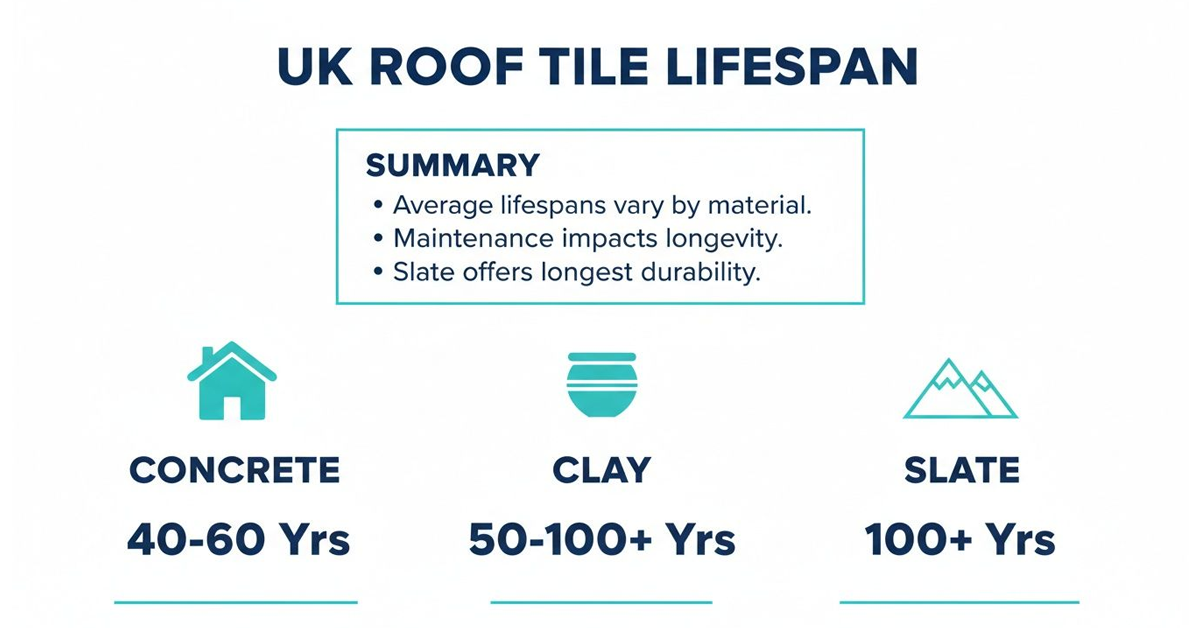
As you can see, there’s a significant jump in potential lifespan from concrete to clay, and an even bigger one up to slate. It really highlights the long-term value you get from investing in premium materials from the start.
Ultimately, choosing the right material is a critical decision that affects your home’s protection and value for decades. It often comes down to balancing your immediate budget with your long-term ambitions. While concrete offers a reliable and cost-effective solution, clay and slate represent a more significant upfront investment that pays dividends in unparalleled durability and timeless style.
A roof’s lifespan isn’t just about the tiles themselves. It’s about the entire system working together, from the underlying felt and battens to the flashing and ventilation. Expert installation is what ties these components together to ensure your roof reaches, or even exceeds, its expected lifespan.
To help you make the best choice, we’ve put together a more detailed breakdown of your options. For a deeper dive into the pros and cons of each, check out our guide on choosing the right roofing material for your home.
The Timeless Durability Of Clay Roof Tiles
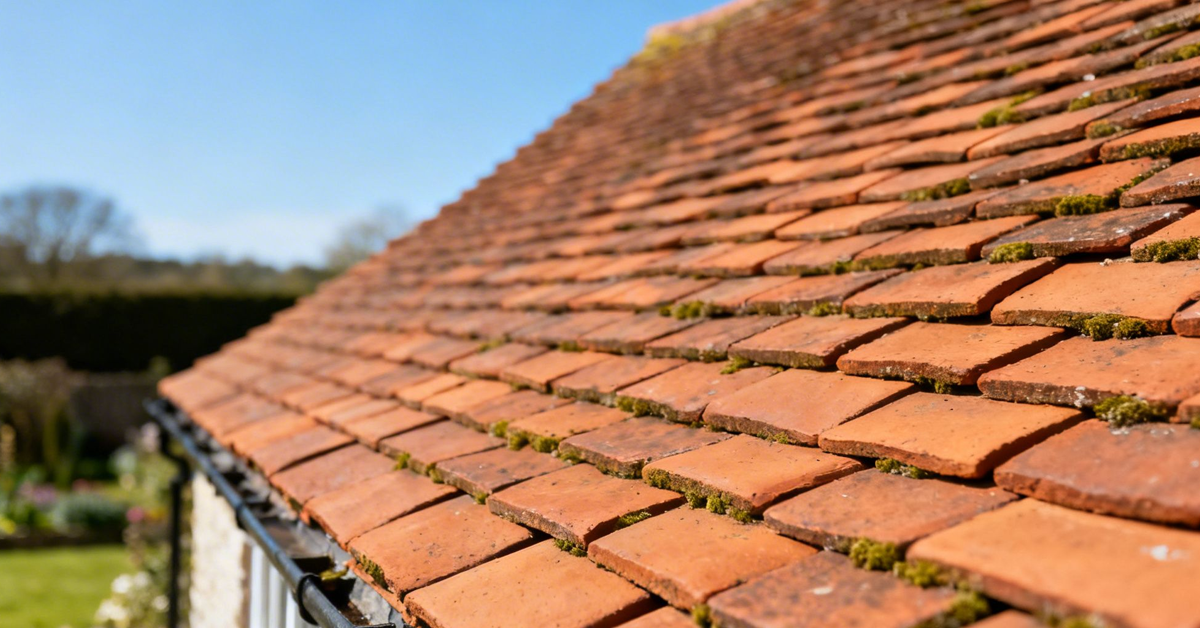
Clay tiles are a classic choice for UK properties, and for very good reason. They bring a warm, traditional feel that perfectly complements the character of homes in historic towns like Windsor and Maidenhead, making them a go-to for period properties and homes in conservation areas. With a staggering lifespan of 50 to 100+ years, they are a smart, long-term investment in your home.
Think of a terracotta pot left in the garden. It endures years of rain, sun, and frost with remarkable resilience. High-quality clay roof tiles are made in a similar way, but they’re fired at much higher temperatures, making them incredibly dense and far more robust than their garden counterparts.
This density is the real secret behind their longevity. It makes them highly resistant to absorbing water, which is your roof’s best defence against the UK’s damp climate and punishing freeze-thaw cycles. When water gets into a tile and freezes, it expands and creates tiny cracks that only get bigger over time. The low porosity of clay stops this from happening, preventing the frost damage that can shatter lesser materials.
Why Clay Tiles Are A Long-Term Favourite
Clay tiles aren’t just tough; they’re also fantastic at keeping their colour. While other materials can fade under years of UV exposure, the rich, earthy tones of clay are baked right into the tile. This means your roof will hold its kerb appeal for decades, protecting your property’s value.
This impressive performance is well-documented. According to UK roofing experts, high-quality clay tiles often last between 50 to 100 years, with British Standards and Building Research Establishment guidelines setting a minimum expectation of 60 years. In fact, a 2023 survey from UK roofing associations found that 68% of clay tile roofs over 50 years old showed no major structural failures when maintained annually, compared to just 42% for untreated ones.
Clay tiles represent a true “fit and forget” investment in your property’s future. When installed correctly, they provide generations of reliable protection, blending seamlessly with the architectural heritage found across Berkshire and its surrounding counties.
Factors That Ensure Maximum Lifespan
While the tiles themselves are incredibly tough, getting a full century of performance isn’t a given without proper attention. A few factors are vital to getting the most out of a clay tile roof:
- Expert Installation: Clay tiles need to be fixed according to BS 5534 standards to handle wind uplift and ensure water runs off properly. Incorrect lapping or weak fixings will quickly lead to leaks and displaced tiles.
- Correct Underlay and Battens: The structure underneath the tiles is just as important. Using high-quality, treated battens and a durable breather membrane gives you a crucial second line of defence against moisture.
- Regular Maintenance: Simple, periodic checks are essential. Removing moss, which traps moisture against the tile surface, and clearing out gutters to ensure proper drainage are small tasks that make a big difference.
For homeowners in Reading, Bracknell, and the surrounding towns, clay tiles offer an unbeatable blend of beauty and brawn. If you’re thinking about a new roof that will truly stand the test of time, contact All Custom Roofing in Windsor for expert advice on clay tile installation and maintenance.
Concrete Roof Tiles: A Practical and Robust Solution
When it comes to roofing in the UK, concrete tiles are the real workhorses. You’ll see them everywhere on new builds, extensions, and renovated homes from Slough to Woking, and for good reason. They offer homeowners a fantastic balance between reliable performance and affordability.
If you’re looking for long-term protection without the premium price tag that comes with clay or slate, concrete is an excellent way to go. You can realistically expect a new concrete tile roof to last between 40 and 60 years, making it a very sound investment for your home.
Engineered For British Weather
Modern concrete tiles aren’t just simple slabs of cement. They are highly engineered products, specifically designed to meet strict UK building regulations like BS 5534. This standard is all about ensuring your roof can stand up to wind uplift and driving rain, something we get plenty of here in Berkshire.
Think of it this way: each tile has carefully designed interlocking channels. When they’re laid correctly by a professional, these channels create a complex barrier that guides rainwater down the roof and stops it from being forced underneath by strong winds. This clever, robust design is exactly why they are so trusted across the country.
Concrete tiles give you a budget-friendly yet incredibly tough option for your roof. Their durability is well-proven; in fact, the National Federation of Roofing Contractors found that an impressive 82% of concrete tile roofs installed back in the 1980s are still going strong today with the right maintenance. That kind of longevity really highlights their value.
Addressing Colour and Performance
One of the most common questions we get from homeowners is about colour fading. It’s true that over many years, the coloured surface can weather from UV exposure and rain, causing the tiles to lighten. However, it’s really important to understand that this is almost always a purely cosmetic issue.
The structural integrity of the tile itself isn’t affected by this colour change. It will keep doing its job of keeping your home dry and secure for decades to come. So while the look might soften over its long lifespan, the protection it provides remains solid.
Why Professional Installation Is Key
Concrete tiles are built to last, but their ultimate lifespan is directly linked to the quality of the installation. A professional roofer makes sure every detail is handled correctly, which is what really maximises the roof’s performance and longevity.
- Correct Fixing: Every tile must be securely nailed or clipped according to the manufacturer’s guidelines and BS 5534 standards. This is vital to prevent them from lifting in high winds.
- Proper Ventilation: A skilled roofer will ensure the roof space has the right amount of ventilation. This simple step stops condensation from building up in your loft, which can lead to timber rot and other serious problems.
- Accurate Underlayment: The felt or membrane underneath the tiles is your roof’s secondary line of defence. It has to be laid perfectly, with no tears or gaps, to catch any moisture that might find its way past a damaged tile.
For homeowners in Windsor, Reading, Bracknell, and Maidenhead who want dependable performance without breaking the bank, concrete tiles are often the perfect solution. Their proven track record, strength, and great value make them a consistently popular choice.
If you’re thinking about a new roof for your home, contact All Custom Roofing for a no-obligation quote. We can walk you through the options and help you decide if concrete tiles are the right fit for your property and budget.
Slate Roofs: The Ultimate in Longevity and Style
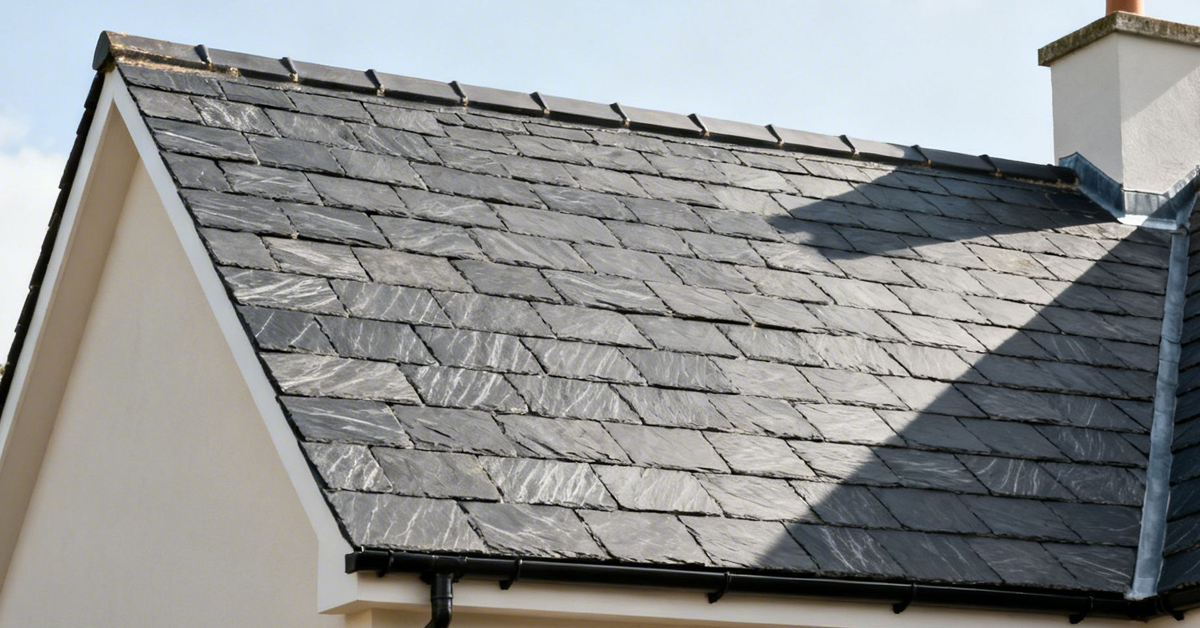
When the conversation turns to the best of the best in roofing, natural slate is in a class of its own. For heritage properties, listed buildings, and discerning homeowners across Berkshire who want a roof that will truly last a lifetime, it’s the gold standard for a reason. With a staggering lifespan that can easily exceed 150 years, a slate roof isn’t just a purchase; it’s a permanent investment in your property.
Unlike tiles that are manufactured, natural slate is a dense rock forged by nature over millions of years under incredible heat and pressure. This process creates a unique, layered structure that is almost completely non-porous. That’s the real secret behind its incredible durability.
Because slate absorbs next to no water, it’s practically immune to the destructive freeze-thaw cycles that can shatter lesser materials during a harsh British winter. This natural resilience is why slate has protected some of the UK’s most important buildings for centuries, making it the definitive answer to the question of how long roof tiles last in the UK.
A Legacy Measured in Centuries
The longevity of a slate roof is genuinely exceptional. Data from quarries in Wales and Cornwall shows that a well-maintained slate roof has an average lifespan of 80 to over 150 years. You only have to look at the many Grade II listed properties in our area with their original slate roofs from the 1850s, still going strong after more than 175 years.
A 2024 UK roofing industry report highlighted that natural slate roofs account for 35% of all roofs over 100 years old, while concrete makes up just 5%. This is largely down to slate’s incredible strength and 40% higher impact resistance.
Slate isn’t just a roof covering; it’s a permanent addition to your home’s character and a testament to enduring quality. Its timeless elegance and proven longevity make it a wise investment for those who refuse to compromise on protection and style.
Why Expert Installation Is Non-Negotiable
That incredible lifespan comes with one major catch: the roof must be installed with absolute precision by a skilled professional. A poorly fitted slate roof can fail surprisingly quickly, completely wiping out the benefits of using such a premium material in the first place.
Due to its weight, the roof’s underlying structure must first be assessed to confirm it can handle the load. From there, each slate is fixed individually with specialised nails or hooks, a craft that demands a huge amount of experience to get right.
- Skilled Craftsmanship: Laying slate is a traditional skill. An expert roofer knows exactly how to cut and shape each slate to fit perfectly around tricky areas like chimneys and valleys, creating a completely watertight seal.
- Correct Fixings: Using the wrong nails, like standard steel instead of copper or stainless steel, is a recipe for disaster. The fixings will corrode and break long before the slate ever shows signs of wear.
- Proper Headlap: The “headlap” is the amount each row of slates overlaps the one below it, and it’s absolutely crucial. Too little headlap is a common mistake that allows wind-driven rain to get underneath, leading to leaks and rot.
For homeowners in Windsor, Maidenhead, and Ascot, a slate roof is the ultimate statement of quality, offering unparalleled peace of mind and timeless beauty. To ensure your investment stands the test of time, always entrust the work to proven specialists.
Contact All Custom Roofing in Windsor to discuss a professionally installed slate roof for your property. We cover Windsor, Reading, Slough, Bracknell, Maidenhead, and surrounding towns.
What Shortens The Lifespan Of Your Roof
Even the toughest roof tiles, be they concrete, clay, or slate, can fail decades ahead of schedule when outside forces are working against them. Knowing the typical lifespan of roof tiles in the UK is only part of the puzzle; understanding what can cut that life short is crucial for protecting your home and your investment.
For homeowners across Berkshire, there are a few common culprits that are always a threat. Think of your roof not just as a layer of tiles, but as a complete system. If one part of that system fails, it puts extra stress on everything else. These issues, from shoddy workmanship to our relentless British weather, can quietly chip away at your roof’s integrity long before you’d expect to see problems.
The Impact Of Poor Installation
We see it time and time again: poor installation is the number one reason a new roof fails prematurely. You could invest in the finest Welsh slate, but if it’s fitted incorrectly, the entire roof is compromised from the very first day. It’s like building a beautiful house on a shaky foundation, it’s not a matter of if it will fail, but when.
Some of the most common installation mistakes we come across in the Windsor area include:
- Incorrect Nailing or Clipping: Tiles that aren’t fixed according to BS 5534 standards are vulnerable. In high winds, they can lift, rattle, slip out of place, and ultimately let water in.
- Insufficient Headlap: The overlap between each course of tiles is absolutely critical. If it’s too small, wind-driven rain can easily be forced up and under the tiles, soaking the underlay and timbers.
- Inadequate Ventilation: A loft space that can’t breathe is a recipe for disaster. Trapped warm, moist air leads to condensation, which can rot the timber structure from the inside out, even if the tiles look perfectly fine from the outside.
Relentless Weather And Environmental Damage
Your roof is your home’s first line of defence, and it takes a constant battering from the elements. Year after year, the cycle of heavy rain, high winds, and freezing winter temperatures slowly takes its toll.
One of the most significant threats is improper water drainage. Your guttering system is meant to guide thousands of litres of rainwater safely away from your home. But when it gets clogged with leaves, moss, and other debris, your gutters basically become small dams. Water overflows, backs up under the eaves, and seeps into the roof structure, causing damp and rot. That’s why properly sizing gutters and downspouts is so important for protecting the entire roof structure.
Moss and algae might just seem like a cosmetic problem, but they can cause serious damage. Moss acts like a sponge, holding moisture right against the surface of your tiles. During winter, this trapped water freezes, expands, and can physically crack or delaminate the tiles in a process known as “frost-shattering.”
These factors work together to speed up wear and tear, dramatically shortening how long your roof tiles will last. The best defence is a proactive one. Regular checks and maintenance are key to spotting these threats early. You can learn more about what that involves in our guide on how to extend the lifespan of your roof with regular maintenance.
Warning Signs That Your Roof Needs Attention
Knowing the typical lifespan of your roof tiles is one thing, but your roof has its own way of telling you when it needs help, often long before its time is officially up. As your home’s first line of defence, it’s constantly under attack from the elements.
The good news is that you can spot many potential issues with a simple visual check from the ground. Catching these red flags early can be the difference between a quick, affordable repair and a disruptive, far more expensive replacement down the line.
What To Look For Outside Your Home
You don’t need to climb a ladder to get a good idea of your roof’s health. Just stand back on the pavement or in your garden and keep an eye out for these tell-tale signs.
-
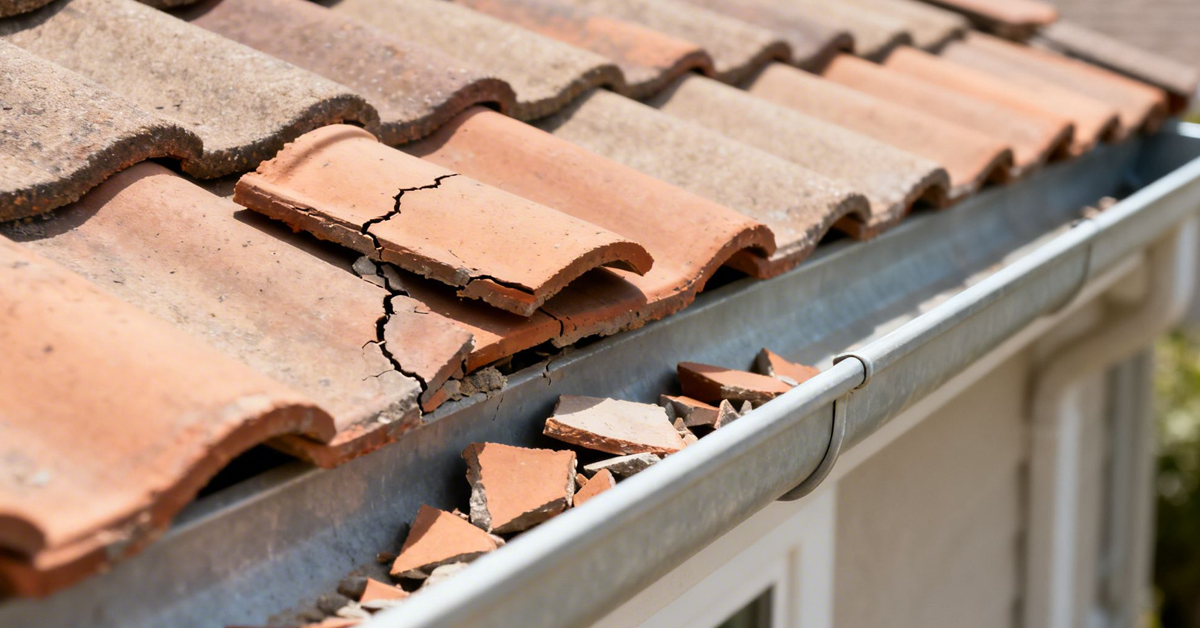
Cracked, Slipped or Missing Tiles: This is the most glaring sign of trouble. Even one missing tile is a direct invitation for rainwater, which can quickly saturate the underlay and begin to rot the timber structure beneath. Slipped or cracked tiles are just as bad, as they compromise the interlocking weather defence of the entire roof.
-
Debris in Gutters and on the Ground: Finding small fragments of tile or a sand-like grit in your gutters or on the patio is a major warning. Think of it like finding metal shavings in engine oil, it’s a clear signal of internal wear. This grit is often the protective granular surface of a concrete tile breaking down and eroding away.
-
Heavy Moss, Algae or Plant Growth: While a little green discolouration is pretty normal in the damp UK climate, a thick carpet of moss is a serious problem. Moss acts like a sponge, holding moisture right against the tile surface. This not only adds a surprising amount of weight but, more importantly, can lead to serious frost damage in winter when that trapped water freezes and expands. If you’re concerned, have a look at our guide on professional moss removal from roof tiles.
What To Check Inside Your Home
Often, the most serious warning signs appear inside your house. This usually means water has already found a way past your roof’s outer defences. Your first port of call should be your loft and the ceilings on your top floor.
On a bright day, pop your head into the loft and turn off any lights. If you can see slivers of daylight peeking through, you’ve got a problem. Those pinpricks of light are clear evidence of slipped tiles, gaps, or even holes that need immediate attention before the next downpour.
Also, look for damp patches, dark stains, or peeling paint on the ceilings in your upstairs rooms. These are the classic calling cards of a slow leak. By the time water damage becomes visible on your ceiling, the issue in the roof space above is often far more advanced, having already saturated insulation and timbers.
A damp or musty smell in your loft is a subtle but important clue. It suggests there is trapped moisture and poor ventilation, which can lead to timber rot and mould growth even without an obvious, dripping leak. Never ignore a persistent musty odour in your top-floor rooms.
If you spot any of these warning signs, the next step is clear. A small issue left unchecked can quickly escalate into a major headache involving structural damage and eye-watering repair bills.
For a thorough and honest assessment, contact All Custom Roofing in Windsor for expert roof repairs across Berkshire. We cover Windsor, Reading, Slough, Bracknell, Maidenhead, and surrounding towns.
Your Local Roofing Experts in Windsor and Berkshire
Choosing the right tile is a great start, but it’s the quality of the installation and ongoing care that really determines how long your roof will last. Hopefully, this guide has given you a clearer picture of what to expect from your roof and how to protect your home. For anyone in Windsor, Bracknell, Maidenhead, or the wider Berkshire area, All Custom Roofing is your local team on the ground.
We have years of hands-on experience with the unique challenges of roofing in the UK. We’ve done everything from fitting traditional slate on beautiful period properties to handling emergency tile repairs after a gale has blown through. We know exactly how our local weather treats different materials, so we can recommend a solution that’s truly built to withstand it.
Our approach is simple: we give you an honest, straightforward assessment of your roof’s condition. We’ll provide a fair quote for the work needed, with no hidden surprises, so you know exactly where you stand.
We take real pride in our work, using only top-quality materials that meet British Standards. Whether you’re looking at a complete re-roof or just need a few tiles replacing, our goal is to make sure your property is safe and secure for many years to come.
Ready to find out more? Contact us today for a no-obligation roof survey and quote. We work across Windsor, Reading, Slough, Bracknell, Maidenhead, and the surrounding towns. Let’s get your property protected with a roof you can rely on.
Frequently Asked Questions About Roof Tile Lifespan
It’s natural to have questions about your roof’s health and how long it will last. Here, we tackle some of the most common queries we hear from homeowners in the Windsor and Berkshire area, offering clear, straightforward advice to help you make informed decisions.
Can My Roof Tiles Be Repaired Or Do I Need A Full Replacement?
This really comes down to the scale of the damage and the overall age of your roof. If you’re dealing with a few cracked or slipped tiles after a storm, a targeted repair is usually the most sensible and cost-effective approach.
However, if the damage is widespread, the tiles have become brittle with age, or the underlying felt has given up, a full re-roof becomes the smarter long-term investment. An honest, professional inspection from our team can give you a clear assessment of what your Berkshire property truly needs.
How Often Should I Have My Roof Inspected In The UK?
For most homes here in the UK, we strongly recommend a professional roof inspection every 3 to 5 years. It’s also wise to get it checked over after any particularly nasty storm involving high winds or hail.
Think of it like a dental check-up for your home. These regular inspections allow a trained eye to catch small problems, a single loose tile, a crumbling mortar joint, before they turn into major headaches like widespread water ingress and timber rot. This proactive approach is the absolute key to getting the most out of your roof’s lifespan.
A manufacturer’s guarantee typically covers defects in the tile itself, often for around 30 years. The actual lifespan, however, is how long the entire roof system (tiles, fixings, underlay, and battens) functions as one. A professionally installed and maintained roof in the UK will almost always outlive its material guarantee.
Does Moss On My Roof Really Cause Damage?
Yes, absolutely. A heavy blanket of moss can be surprisingly destructive over time. It essentially acts like a giant sponge, holding a huge amount of moisture right against the surface of your tiles.
In winter, this trapped water freezes, expands, and creates tiny cracks that get bigger with each frost. This process, known as ‘frost-shattering’, can literally break the surface of your tiles apart. Heavy moss also clogs up the water channels on the tiles, forcing rainwater to track sideways and underneath them, bypassing your gutters completely.
For a professional inspection or to discuss your roofing needs, trust the local experts. All Custom Roofing has been serving homeowners and businesses since 2008.
We cover Windsor, Reading, Slough, Bracknell, Maidenhead, and surrounding towns. Contact us today for a no-obligation survey and quote by visiting https://customroofing.co.uk.