 (+44) 7900 515 552
26 Mar 2026
 insurance backed guarantee
insurance backed guarantee
insurance backed guarantee
When it comes to choosing a roof, the fundamental difference boils down to this: pitched roofs offer superior longevity and weather resilience, making them the go-to for traditional UK homes, while flat roofs provide a cost-effective, modern aesthetic that’s perfect for extensions and contemporary new builds. The right choice really depends on whether your priority is long-term durability or upfront cost and design flexibility.
Picking the right roof is one of the biggest decisions you’ll make for your Berkshire property. It influences everything from kerb appeal and energy bills to future maintenance demands and even how you can use the space inside. The debate over flat vs pitched roofs isn’t just about appearances; it’s about striking the perfect balance between performance, cost, and suitability for the UK’s notoriously demanding climate.
Whether you’re planning a new home in Maidenhead, adding an extension in Slough, or restoring a period property in Windsor, getting to grips with the basic trade-offs is essential. The classic sloped design of a pitched roof is the hallmark of British architecture, perfectly engineered to shed rainwater with ease. On the other hand, the sleek, minimalist profile of a flat roof has surged in popularity for modern homes, garages, and commercial buildings.
To give you a clear, side-by-side summary of what each option brings to the table, this infographic lays out the key features.
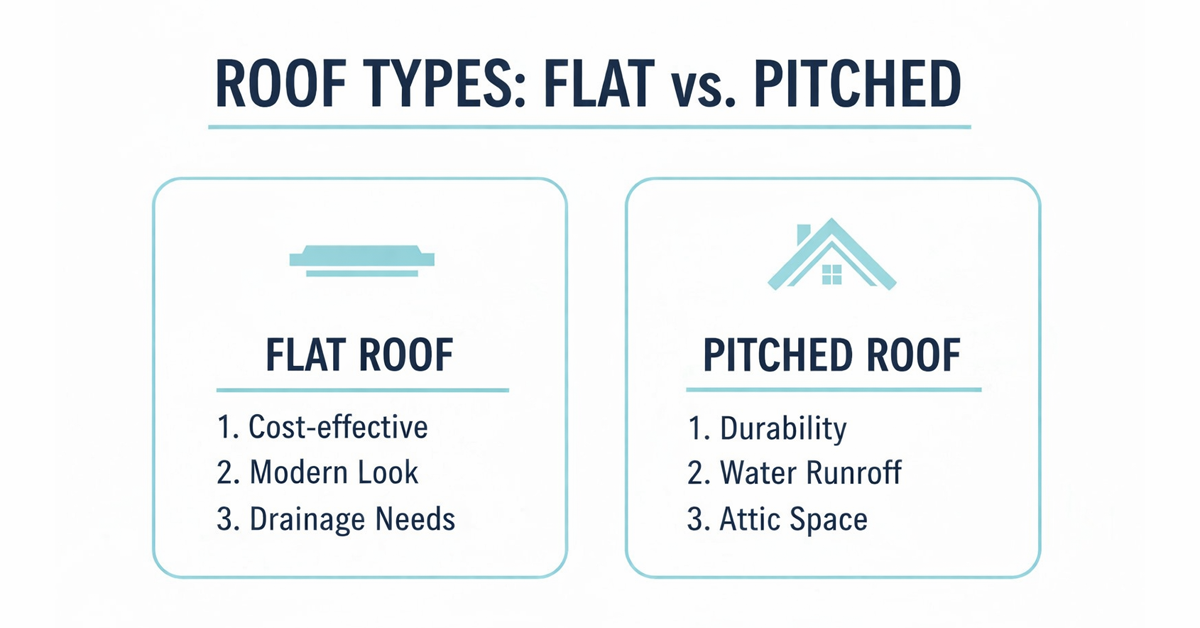
This visual immediately highlights the contrasts in cost, lifespan, and maintenance, which helps set the scene for a more detailed comparison. Each system has its own distinct advantages and challenges, particularly when you factor in the persistent rain and frost we see across the South East.
As you weigh your options, several core elements will come into play. It’s about looking beyond the initial quote to consider the entire lifecycle of the roof.
Here’s what you need to think about:
The right roof isn’t just a protective covering; it’s an integral part of your property’s structural health and energy performance. The choice you make will have long-term implications for both your finances and your peace of mind.
To give you an even clearer picture, the table below summarises these crucial differences at a glance.
To help you quickly weigh up the pros and cons, this summary table breaks down the core differences between flat and pitched roofs across the most important criteria for homeowners in the UK.
| Feature | Flat Roof | Pitched Roof |
|---|---|---|
| Initial Cost | Lower upfront investment | Higher initial cost due to materials and labour |
| Typical Lifespan | 20-30 years | 60+ years, often outlasting the building |
| Weather Resistance | Vulnerable to ponding water if drainage is poor | Excellent at shedding rain and snow naturally |
| Maintenance | Requires regular inspections for leaks and drainage | Needs checks for damaged tiles and clear gutters |
| Usable Space | Can be used for terraces, gardens, or solar panels | Creates internal loft space for storage or conversion |
| Aesthetic Appeal | Modern, minimalist, and discreet | Traditional, versatile, and adds kerb appeal |
Ultimately, deciding which is best comes down to your specific project, your budget, and what you want to achieve in the long run.
For a deeper dive, you can learn more about the benefits and challenges of installing a flat roof in our detailed guide. As we continue, we’ll break down each of these factors to help you make a confident decision for your Berkshire property.
When it comes to choosing between a flat and a pitched roof, the financial side of things is often what homeowners and businesses across Berkshire focus on first. The initial quote is just one part of the picture; to make a smart decision, you really need to look at the total cost of ownership over the roof’s entire life. It’s a classic balancing act between saving money now and getting better value later.
A flat roof almost always has a lower upfront cost. The job is usually quicker, doesn’t need as much complex structural work, and the materials themselves are generally cheaper per square metre. For something like a garage conversion in Reading or a modern extension in Slough, that initial saving can be a huge help, freeing up cash for other parts of the project.
On the other hand, a pitched roof, while more expensive to begin with, is usually seen as a long-term investment. Its construction is more involved – think timber trusses, underlays, battens, and fitting individual tiles or slates – which naturally pushes up the initial labour and material costs.
The price difference between the two can be pretty significant. Pitched roofs in the UK are a substantial investment, with a standard installation for an average home often costing significantly more than a flat roof equivalent. In contrast, flat roofs are noticeably cheaper upfront, making them a popular choice for families keeping a close eye on the budget.
Here in Windsor and the surrounding areas, we often see a premium over the national average because of higher local labour and material costs. For a deeper dive into how these figures are calculated, you can check out our detailed guide on understanding the factors that influence new roof costs.
So, what drives this cost gap?
While a flat roof wins the prize for initial affordability, the long-term financial story is a bit more complicated. The true value of a roof really comes out when you factor in maintenance, repairs, and its eventual replacement. A well-built pitched roof can last for 60 years or more and usually only needs minimal upkeep, like replacing the odd slipped tile or keeping the gutters clear.
A lower upfront cost can sometimes lead to higher lifetime expenses. It’s crucial to weigh the immediate savings of a flat roof against the extended lifespan and lower repair frequency of a well-built pitched roof.
Flat roofs, by comparison, typically have a lifespan of around 20-30 years. They need more regular checks to make sure drainage is working properly and the waterproof membrane is sound, especially with Berkshire’s unpredictable weather. While modern materials like GRP and EPDM are incredibly durable, any standing water means small problems can become big ones if you don’t catch them early.
This creates a different financial reality over the decades:
Ultimately, the higher initial investment for a pitched roof often pays off with superior long-term value and peace of mind. A flat roof, however, offers immediate budget benefits that are hard to ignore. The right choice really comes down to your financial priorities: short-term savings versus long-term asset value.
The British weather isn’t exactly known for being gentle. Persistent rain, biting frosts, and strong winds are a constant test for any part of your property, especially the roof. When you’re weighing up a flat roof versus a pitched one, how each stands up to this demanding environment is a massive consideration for any homeowner in Windsor or across Berkshire. This isn’t just about technical specs; it’s about your long-term costs and peace of mind.
A roof’s primary job is to last, and in that regard, the traditional pitched roof has a clear, time-tested advantage. Its sloped design is simple but incredibly effective. Gravity does all the hard work, shedding rainwater and snow effortlessly and preventing moisture from ever having a chance to settle and cause problems.
A flat roof, however, has to work a lot harder to manage water. While they’re not perfectly flat – they always have a slight fall built in to guide water towards drainage points – they are far more vulnerable to issues like ponding if a drain gets blocked by leaves or debris.
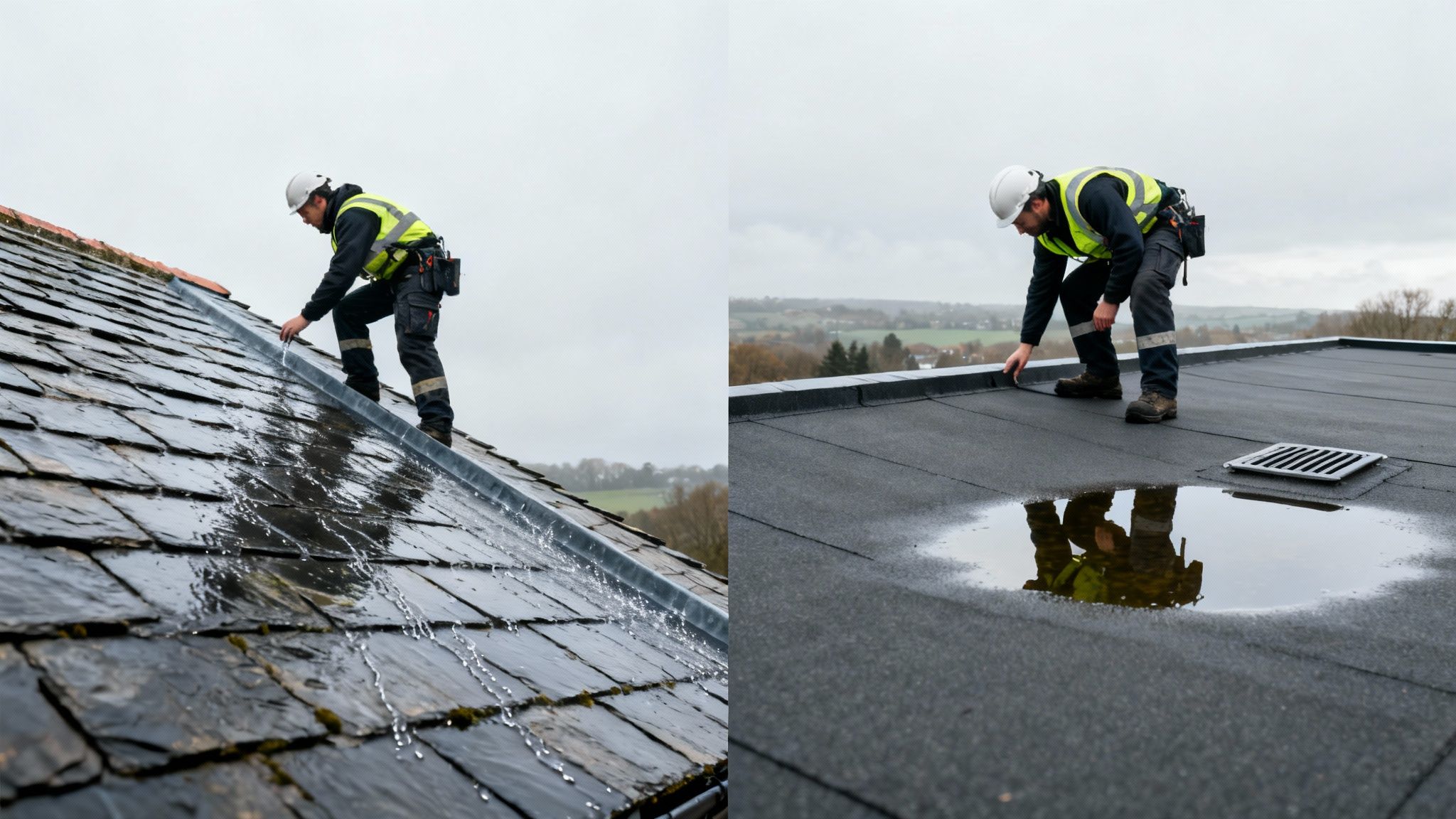
The materials you choose have a huge say in how long your roof will last. A properly built pitched roof using classic materials like slate or concrete tiles can easily last 60 years or more. In many cases, these roofs outlive the people who install them, making them a true long-term investment in your property.
Modern flat roofing materials have improved dramatically from the old felt systems many of us remember. Today’s high-performance options offer some impressive resilience:
Even with these modern advancements, the lifespan of a robust flat roof is still significantly shorter than a pitched roof. That means a full replacement is on the cards much sooner, which is a key factor to weigh up in your long-term cost calculations.
Every roof needs a bit of looking after, but what you have to do – and how often – is very different for flat and pitched designs. Really, it comes down to a choice between proactive prevention and reactive repairs.
Flat Roof Maintenance: Here, it’s all about the drainage. You need to be checking your roof regularly, especially in autumn, to make sure the outlets are clear of leaves, moss, and anything else that might cause water to pool. Even small puddles can add stress to the roof membrane over time, leading to premature wear and tear. Our expert guide offers some crucial flat roof maintenance tips to extend your roof’s lifespan for local homeowners.
Pitched Roof Maintenance: With a pitched roof, the main things to keep an eye on are the condition of the tiles or slates and the gutters. High winds can sometimes lift and dislodge a tile, creating an entry point for water. Blocked gutters can also cause overflow, which in turn can damage your brickwork and even the foundations. A quick check after a big storm is always a sensible move.
Ultimately, the inherent design of a pitched roof gives it the edge in both longevity and maintenance demands here in the UK. Their natural ability to shed water and withstand the elements means fewer worries about standing water and a significantly longer service life compared to flat roof systems, which require more vigilant upkeep in wet regions like Southeast England.
For expert advice on the best roofing solution for your Berkshire property, contact All Custom Roofing. We cover Windsor, Reading, Slough, Bracknell, Maidenhead, and surrounding towns.
With energy bills a constant worry for households across Berkshire, your roof’s ability to keep your home warm has never been more important. The choice between a flat or pitched roof directly affects your property’s thermal performance, influencing everything from winter heating costs to year-round comfort. The fundamental differences in their structure create distinct advantages and challenges when it comes to insulation.
A pitched roof’s design naturally creates a large, accessible loft space. This void is the perfect spot to lay down deep, effective insulation, which acts like a thick blanket to stop heat from escaping through the top of your house. It’s a straightforward and incredibly efficient way to keep your home warm.
Flat roofs, on the other hand, don’t have this built-in space. This means insulation has to be integrated directly into the roof structure itself, a process that requires more specialised techniques and materials to achieve the same level of thermal efficiency.
For pitched roofs, the job is usually quite simple. Rolls of mineral wool or similar insulation are laid between and over the ceiling joists in the loft. This approach is cost-effective, easy to install, and allows for a serious depth of insulation, which is key to cutting down heat loss.
Flat roofs demand a different approach. The two main methods you’ll find in the UK are ‘warm deck’ and ‘cold deck’ systems.
A pitched roof’s loft space is its greatest asset for energy efficiency. It allows for thick, continuous layers of insulation that are difficult and often more expensive to replicate in the compact structure of a flat roof.
When we talk about thermal performance, the key figure is the U-value. This number measures how quickly heat escapes through a material – the lower the U-value, the better the insulation. UK Building Regulations (Part L) set strict minimum standards for U-values to make sure new and refurbished properties are energy efficient.
A well-insulated pitched roof can easily meet and exceed these standards. The generous loft space allows for enough insulation to achieve incredibly low U-values, which translates directly into lower heating bills and a more comfortable home. While modern flat roofing systems can also meet regulations, it often takes more sophisticated and costly insulation products to get there.
The performance difference is significant. Energy efficiency analysis gives a clear win to pitched roofs in the UK. Their structure can handle thick layers of insulation, achieving impressive U-values. Compare that to a well-insulated flat roof, and this gap can lead to noticeable annual heating savings.
For homeowners in Windsor, Reading, and across the region, this makes a pitched roof a compelling choice for long-term energy savings. The initial investment often pays for itself through reduced household bills over the roof’s lifespan. If you need expert advice on improving your property’s insulation, contact All Custom Roofing in Windsor for expert roof installations across Berkshire.
Beyond the technical specs like cost and lifespan, your choice between a flat and a pitched roof has a huge impact on how your property looks, feels, and functions. It’s about more than just shelter; it’s about how your home fits into the local Berkshire streetscape and how you’ll actually use the space it creates.
The visual style of a roof is often its most defining feature. Think about traditional British architecture – what comes to mind? Almost certainly a pitched roof. With their classic slopes and traditional materials like slate and tile, they’re the hallmark of everything from Victorian terraces in Windsor to charming country homes. They just feel right, adding to a property’s kerb appeal and sense of place.
On the other hand, a flat roof gives off a completely different vibe. It offers a clean, minimalist aesthetic that’s perfectly suited to modern extensions, contemporary new builds, and commercial properties. Its low profile can create a sleek, unobtrusive look, letting other architectural features shine.
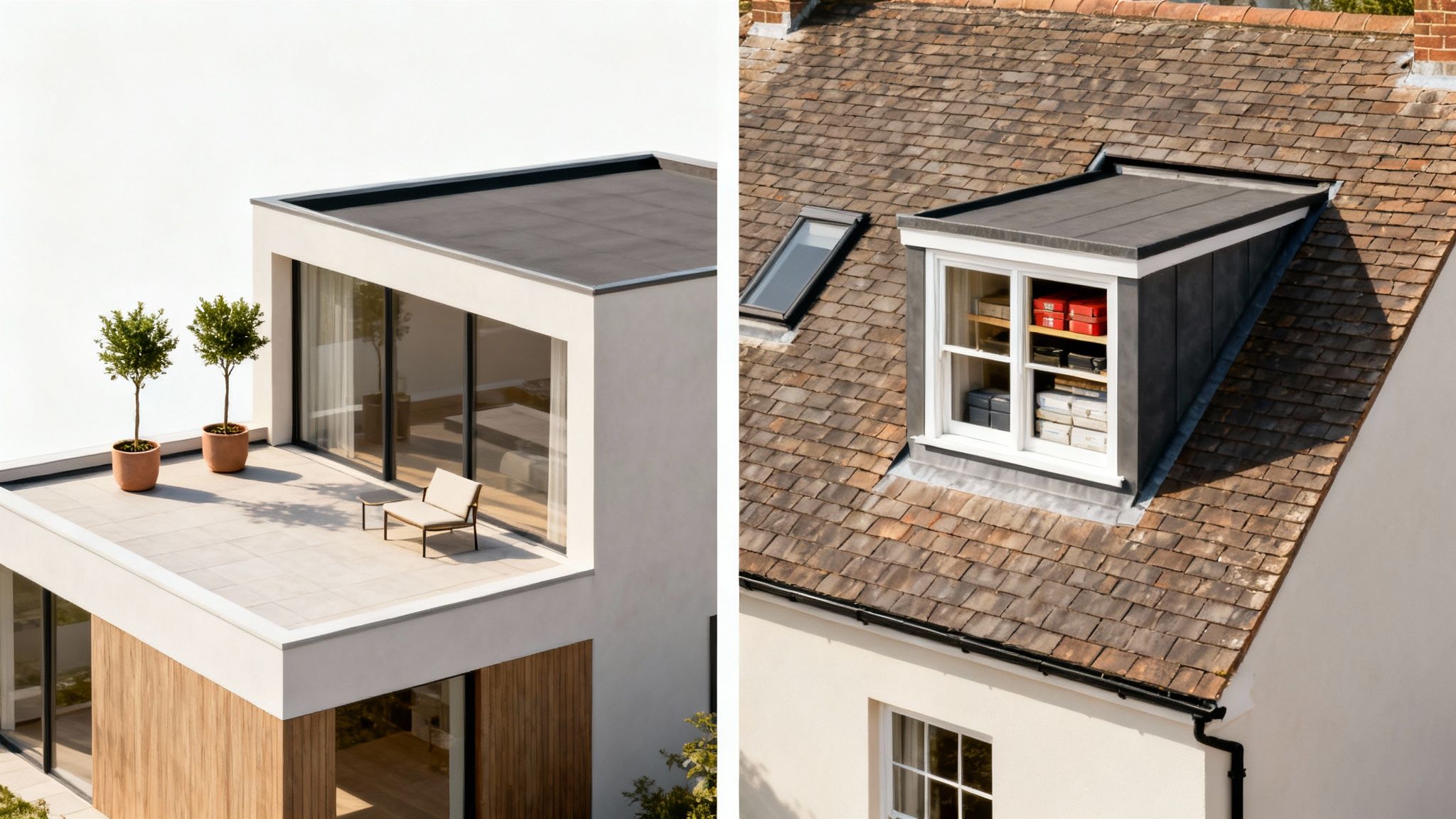
The way each roof type creates usable space is a key differentiator. This is where you need to think about what your household really needs – more room inside, or a functional space outside?
A pitched roof’s biggest practical advantage is the loft it creates. This internal void offers immediate value for storage or, with a bit more investment, the potential for a full loft conversion. Adding a bedroom or home office up there can massively increase your home’s living area and market value without extending its footprint.
A flat roof opens up entirely different possibilities. It gives you a unique opportunity to create valuable outdoor living space, which is especially prized in built-up areas.
When it comes down to usable space, the choice is pretty clear: pitched roofs expand your home internally with loft potential, while flat roofs can extend your living area externally with terraces and gardens.
Finally, it’s absolutely vital to think about local planning rules. Most like-for-like roof replacements in the UK fall under Permitted Development, meaning you won’t need planning permission. However, the game changes if you’re making significant alterations.
Switching your roof from a flat to a pitched design, or vice versa, will almost always require you to get planning permission from your local council, like the Royal Borough of Windsor and Maidenhead or Bracknell Forest Council. That’s because it materially alters the appearance of your property. In the same way, adding a roof terrace to a flat roof may require approval, particularly if it overlooks neighbouring properties.
Always, always check with your local planning authority before starting any major roofing project. For expert guidance on roof installations and what’s required locally, contact All Custom Roofing in Windsor for professional advice across Berkshire.
Picking between a flat and a pitched roof isn’t just a technical detail; it’s about aligning your home’s needs with your long-term plans. For homeowners across Berkshire, the final decision comes down to a careful balance of budget, aesthetics, and pure practicality. The best choice is always the one that fits your unique situation.
To make things simpler, it helps to look at the decision through the lens of your property type and what you hope to achieve. Each roof style has its own strengths, making one the clear winner depending on the project.
A flat roof is often the go-to choice for modern, budget-conscious projects. Its sleek, low-profile look is a perfect match for contemporary extensions where a traditional pitched roof might seem out of place or even block an upstairs window.
Think about a flat roof if:
For a classic family home or a property where you want maximum longevity, a pitched roof is still the gold standard. Its timeless appearance and proven durability give you complete peace of mind, especially with the UK’s wet and windy weather.
A pitched roof is your best bet if:
In the end, the “flat roof vs pitched roof” debate is all about your priorities. A flat roof shines when it comes to modern design and immediate cost savings, whereas a pitched roof delivers unbeatable longevity and classic charm.
Making this call really benefits from expert, local advice. The right choice for a new build in Bracknell might be completely different from what’s best for a period property in Windsor.
For a professional consultation and a clear, no-obligation quote tailored to your property, contact All Custom Roofing in Windsor today. Our team delivers expert roofing services across Berkshire, including Reading, Slough, Maidenhead, and the surrounding towns, ensuring you make the best possible investment for your home.
Choosing between a flat and pitched roof involves weighing up many factors, from cost to long-term performance. To help you make a fully informed decision for your UK property, we’ve answered some of the most common questions homeowners in Berkshire ask when comparing these two popular roofing systems.
Absolutely. Converting a flat roof to a pitched one is a popular home improvement project, but it’s a major structural change. You’ll almost certainly need planning permission from your local Berkshire council, and the work must comply with UK Building Regulations. The process involves constructing a new timber frame right over the existing roof deck.
This kind of conversion offers some fantastic benefits, like far better rainwater drainage, a much longer lifespan, and the chance to create a valuable loft space. The downside? The installation cost is significantly higher than a straightforward flat roof replacement. It’s vital to get a professional roofing company in to assess if your property is suitable and to help you navigate the local planning process.
Older felt flat roofs definitely earned a reputation for leaking, but modern materials have completely changed the game. High-performance systems like GRP (fibreglass) and EPDM (rubber membrane) are installed to create seamless, highly water-resistant surfaces that stand up incredibly well to the UK’s wet climate.
The success of a modern flat roof hinges on two critical factors: professional installation and a proper drainage design. As long as the roof has an adequate ‘fall’ to prevent water from ponding, the risk of leaks is minimal.
They do require more diligent maintenance, though. It’s crucial to keep drainage outlets clear of leaves and debris to ensure they function correctly, especially with the frequent rainfall we get here in the South East.
This is a great question, and the answer is that both can add significant value, just in different ways. A pitched roof is often seen as a premium, long-lasting feature that boosts ‘kerb appeal’ and can increase a property’s overall market value. Even better, the potential to convert the loft into extra living space can add substantial value.
On the other hand, a flat roof, particularly on a modern extension, adds value by creating usable living area beneath it. If it’s designed as a functional space like a roof terrace or a green roof, it can also become a unique and highly desirable selling point for potential buyers. Ultimately, the value added comes down to the quality of the workmanship and how well the roof style complements your property.
For a professional consultation and a clear quote tailored to your property, contact All Custom Roofing. We provide expert roofing solutions in Windsor, Reading, Slough, Bracknell, Maidenhead, and the surrounding towns. Learn more at https://customroofing.co.uk/.