
That sinking feeling when you hear a steady drip-drip-drip or spot a dark, ominous stain spreading across your ceiling is a homeowner’s nightmare. It’s especially true during one of Berkshire’s relentless downpours. When you are facing an emergency roof leak repair, the key is to stay calm and act fast. Panic will not help, but your immediate actions can.
What you do right away is crucial for containing the damage. You can prevent a minor headache from turning into a costly disaster involving saturated plasterboard, ruined electrics, or even long-term structural decay.
Your First Response to a Roof Leak
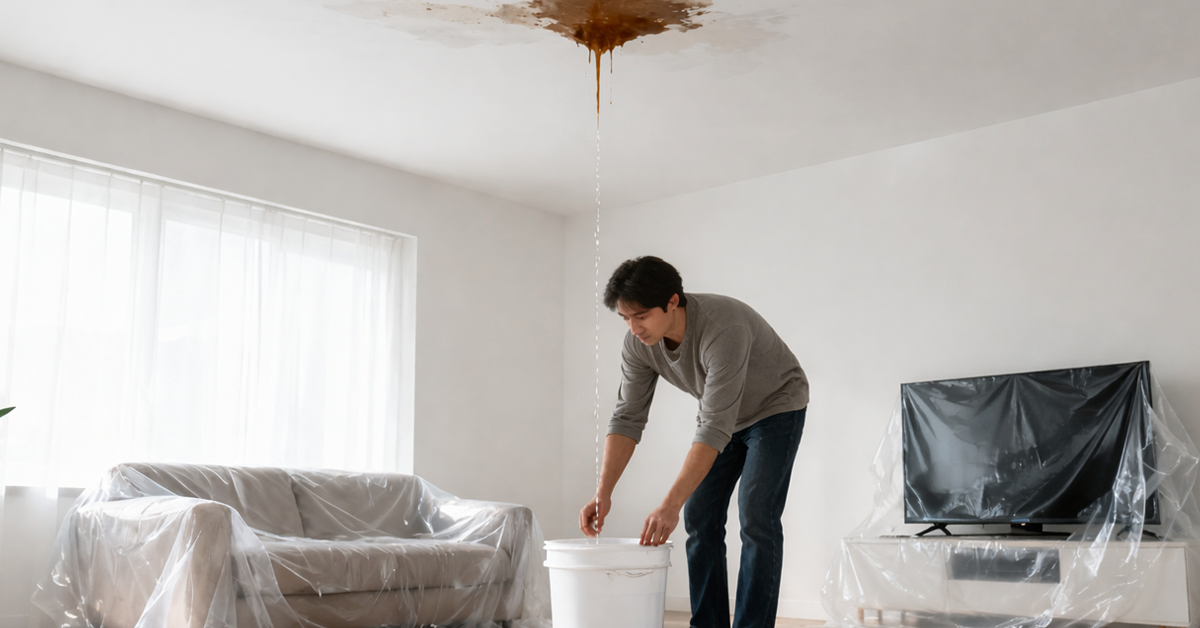
Discovering a leak is incredibly stressful, but what you do in that first hour can genuinely save you thousands of pounds in interior repairs. Let’s be clear: the goal is not to get up on the roof and fix it yourself. It’s about safely and effectively managing the crisis inside your home until a professional can get there.
Contain the Water Immediately
First things first, get that water under control. Grab a bucket, a basin, or even an old cooking pot and place it directly under the drip. If the water is splashing everywhere, just toss an old towel or a T-shirt into the bottom of the bucket. It will soak up the impact and stop the mess from spreading.
Now, if you see the ceiling starting to bulge, the situation is more serious. A bulge means a significant amount of water is pooling up there, putting a huge strain on your plasterboard.
Crucial Safety Tip: A bulging ceiling is a major collapse risk. To relieve the pressure safely, put a large bucket underneath the centre of the bulge and carefully puncture it with something like a screwdriver. This lets the water drain in a controlled way, preventing a sudden, destructive collapse.
Protect Your Home and Valuables
Water damage spreads fast, so you need to act quickly to protect the area.
- Move Your Stuff: Get any furniture, electronics, rugs, and sentimental items out of the way. If something is too heavy to move, cover it completely with thick plastic sheeting.
- Stop the Spread: Use old towels to create a small dam around the wet spot. This is especially important for stopping water from seeping under wooden or laminate flooring.
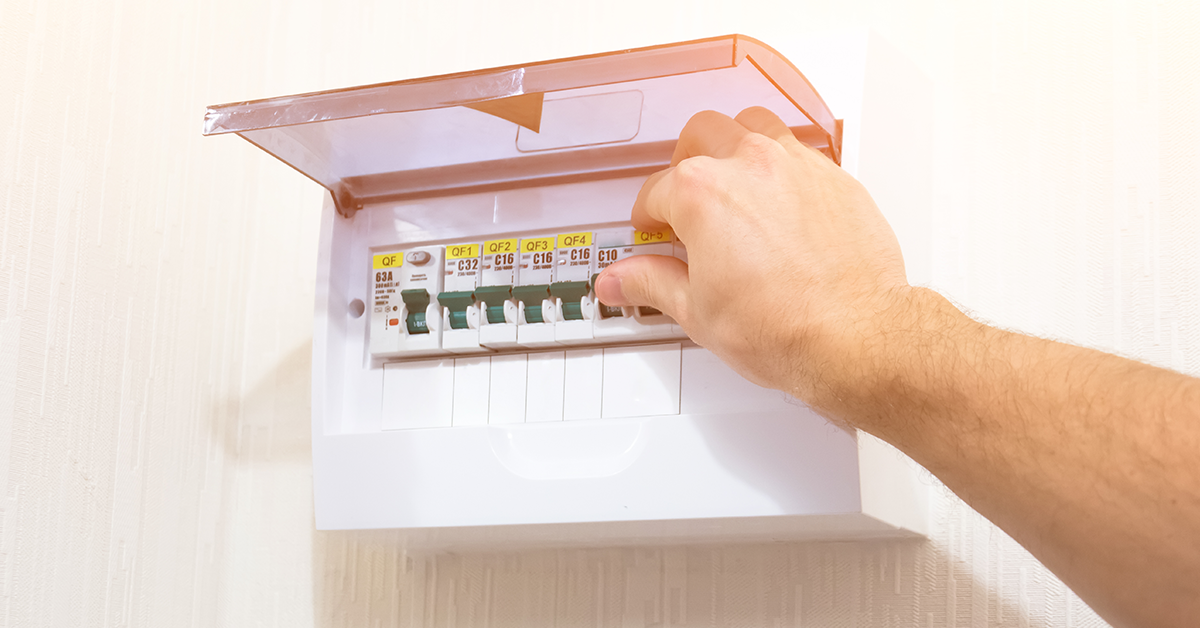
- Think About Electrics: If water is leaking anywhere near light fixtures, switches, or sockets, go to your consumer unit (fuse box) and switch off the electricity to that circuit immediately. Water and electricity are a lethal combination.
The following checklist prioritises what to do in that critical first hour.
Immediate Action Checklist for a Roof Leak
| Priority | Action | Reasoning |
|---|---|---|
| 1 (Highest) | Shut off electricity to the affected area if water is near electrics. | Prevents electrocution and electrical fires. Safety is paramount. |
| 2 | Place buckets or containers under the drips. | Immediately contains the water and prevents it from spreading across floors and furnishings. |
| 3 | Relieve pressure from a bulging ceiling by carefully puncturing it. | A controlled drain prevents a sudden, catastrophic ceiling collapse and widespread damage. |
| 4 | Move or cover all valuables, furniture, and electronics. | Protects your belongings from irreversible water damage, saving you money and heartache. |
| 5 | Use towels to soak up water and create barriers on the floor. | Stops water from seeping into flooring, skirting boards, and adjacent rooms. |
| 6 | Take photos and videos of the leak and the damage. | Crucial evidence for your insurance claim, documenting the extent of the problem from the start. |
| 7 | Call a professional roofer like All Custom Roofing for an emergency call-out. | A professional can safely assess the roof’s exterior and perform a temporary fix to stop the ingress. |
Following these steps in order will help you manage the situation effectively and safely until help arrives.
Assess the Situation from Inside
Once you have got the immediate threat under control, try to trace the source from inside your home. Pop your head into the loft with a torch and look for damp insulation, dark water stains on the underside of the roof decking, or beads of water on the rafters.
Finding the entry point indoors helps you give our team at All Custom Roofing crucial information when you call. It also gives you a better idea of the scale of the problem. Remember, water often travels along beams before it drips, so the stain on your ceiling might not be directly below the actual hole in your roof.
If you have a flat roof, understanding the unique challenges of water ingress is key. You can learn more in our detailed guide on how to handle an emergency flat roof repair.
By taking these measured steps, you shift from a state of panic to one of control. You’ve protected your property, gathered vital information, and created the best possible starting point for a professional emergency roof leak repair. We cover Windsor, Reading, Slough, Bracknell, Maidenhead, and the surrounding towns for a rapid response when you need it most.
Prioritising Safety During a Roof Leak Emergency
When you see water dripping from your ceiling, your first instinct is probably to grab a bucket and do whatever it takes to stop the flow. While that’s understandable, the most critical thing to focus on in any roof leak emergency is your safety. A leaking roof is more than just an inconvenience; it is a genuinely hazardous situation. Treating it like a simple property problem instead of a personal safety risk can have serious consequences.
Before you even think about patching things up, you need to take a deep breath and deal with the immediate dangers that water creates inside your home.
The Unseen Dangers Lurking Above
A leak means your home’s main shield against the elements has failed. This breach introduces two very real, very serious threats that every homeowner in Berkshire needs to take seriously.
- Electrical Hazards: This is the most urgent danger. Water and electricity are a lethal combination. If water gets into your loft or ceiling space and makes contact with wiring or light fittings, it can electrify your walls or ceiling. Touching a damp wall or even flicking a light switch in that area could give you a nasty electric shock.
- Structural Instability: The plasterboard that makes up most UK ceilings gets incredibly weak and heavy when it’s soaked. If you see your ceiling starting to bulge, that’s a massive red flag. It means a lot of water is pooling up there, and a collapse could happen at any moment.
Don’t underestimate the weight of trapped water. A one-square-metre section of ceiling holding just an inch of water can weigh over 25kg. That’s more than enough to cause it to come crashing down without warning.
Why You Must Not Climb on the Roof
During a storm, the temptation to get up on the roof and find the source of the problem is strong. We cannot stress this enough: do not do it. A wet, slippery roof in the middle of a downpour is an accident waiting to happen, even for a pro.
Climbing onto a damaged roof, especially in typical UK weather, is just not worth the risk. You could easily:
- Slip on wet tiles and suffer a serious fall.
- Step on a damaged, weak section of the roof that gives way beneath you.
- Get knocked off balance by a sudden gust of wind.
Roofing is a dangerous job that requires proper training and safety gear for a reason. The stats are sobering: over 50 roofers die in the UK each year from falls and other accidents. Professionals are five times more likely to have a fatal accident than workers in other industries. You can learn more about the safety challenges roofers face to understand why this is a job best left to the experts.
Safer Assessment from the Ground
Instead of putting yourself in harm’s way, focus on what you can do safely. A good look from the ground, maybe with a pair of binoculars, can tell you a lot. Look for obvious signs of trouble like:
- Missing, cracked, or slipped tiles.
- Damaged lead flashing around your chimney or vents.
- A fallen tree branch or other debris on the roof.
This kind of information is gold when you call us for an emergency roof leak repair. It gives our team at All Custom Roofing a head start, helping us figure out the likely cause and bring the right gear for a fast response, whether you’re in Windsor, Maidenhead, or anywhere across Berkshire. By putting your safety first, you stop a stressful situation from turning into a tragic one.
A Practical Guide to Temporary Leak Containment
Once you’re certain the area is safe (no electrical hazards or signs of a ceiling collapse) your focus needs to shift immediately to containing the water. The quick, decisive actions you take while waiting for our team can be the difference between a simple repair and a much larger, more expensive restoration job. These temporary measures are all about damage control, buying you precious time and protecting everything from your plasterboard to the structural timbers inside your home.

Controlling Water Inside Your Home
Your first line of defence should always be inside the property. It’s easy to just throw a bucket down, but water has a nasty habit of spreading in ways you can’t see until it’s too late. Thankfully, you can build a surprisingly effective barrier using materials you probably have lying around.
Heavy-duty plastic sheeting, or even thick bin bags, can be a game-changer. If you can see the leak dripping from a specific spot, try tacking a sheet of plastic to the ceiling around the wet patch. You can create a makeshift funnel that channels all the drips directly into a large container below.
This simple trick does more than just catch water; it stops the moisture from saturating a wider section of your ceiling, which is often what causes the plasterboard to sag and eventually give way.
Common Materials for Temporary Internal Fixes
- Buckets and Basins: The obvious first choice, but be smart about it. Place them right under the main drip and use something big enough that you are not emptying it every five minutes.
- Plastic Sheeting: Essential for covering furniture, electronics, and floors. It is also your best friend for funnelling water away from sensitive areas.
- Old Towels: Roll them up to create small dams along skirting boards or in doorways. This is a great way to stop water from creeping into other rooms or seeping under your flooring.
- A Screwdriver: This is for one specific, crucial job: safely piercing a bulging ceiling. If you see a bubble of water forming, a small, controlled puncture will release the pressure and prevent a sudden, messy collapse.
Getting a handle on the situation inside your house is the first step in a successful emergency roof leak repair. It puts you back in control of a chaotic situation.
Deploying a Tarpaulin for External Protection
If the leak is more serious and the Berkshire rain is not letting up, getting an external cover like a tarpaulin on the roof can be a lifesaver. Let me be clear: this absolutely does not mean you should be climbing onto a wet, slippery roof yourself. There are much safer ways to get this temporary shield in place.
Working from a securely placed ladder, or sometimes even carefully from an upstairs window, you can often roll or slide a tarp over the area you suspect is damaged. The trick is to get the top edge of the tarpaulin underneath a course of tiles or slates higher up the roof.
This is absolutely vital: water runs downhill. By tucking that top edge under an undamaged section, you are forcing any new rainwater to flow over the tarp, not underneath it where it would just make the leak worse.
Once it’s draped over the problem area, the tarp needs to be weighed down securely. Do not just throw bricks up there as they can roll off and cause serious injury. The best options are sandbags or even just planks of timber tied with rope and secured to a fixed, sturdy point like a chimney stack.
Avoiding Common Containment Mistakes
In a panic, it’s easy to make a mistake that inadvertently makes things worse. When you are dealing with an active leak, try to avoid these common slip-ups:
- Relying Only on Buckets: A bucket catches the drips you can see, but it does nothing to stop the water spreading through your loft, soaking your insulation, and rotting your ceiling joists.
- Using Adhesive Tapes: Forget gaffer tape or sealants. Most adhesives simply will not stick to a wet surface, making them completely useless in a downpour.
- Ignoring the Loft: If you can get into your loft safely, have a look. Placing a bucket or tray directly on the joists under the source of the leak is far more effective than just dealing with the drip in the room below.
These temporary containment strategies are purely designed to minimise the damage until a professional can get there. For a fast and safe emergency roof leak repair in Windsor, Maidenhead, or Reading, your next call should be to an expert. Contact All Custom Roofing for a rapid response across Berkshire and the surrounding areas.
Documenting Damage for Your Insurance Claim
Once the immediate panic of a leak is under control, your next job is to switch into detective mode. You need to meticulously document everything. This is not just about cleaning up; it’s about building a solid, undeniable case for your insurance claim. For homeowners across Berkshire dealing with an emergency roof leak repair, having clear evidence can be the difference between a quick payout and a drawn-out, frustrating battle.
Your insurance provider is not just going to take your word for it. They need solid proof linking the damage to a specific event, like a storm. Vague descriptions just will not cut it. Your goal is to create a visual and written record that paints a crystal-clear picture of the problem.
Capturing High-Quality Evidence
First things first, grab your phone and start taking photos and videos. And I mean a lot of them, more than you think you will ever need. Get shots from different angles, both close-up and from a distance.
- Photos of the Source: If you can safely get into your loft, try to capture images of the exact spot where water is coming in. Snap pictures of any visible damage to the roof timbers or soggy insulation.
- The Water’s Path: Follow the water’s journey. Document the tell-tale brown stains spreading across ceilings, the drips running down your walls, and any puddles that have formed on the floor.
- Damaged Property: Get detailed, close-up shots of every single item that has been damaged. We are talking soaked carpets, ruined furniture, fried electronics, and water-logged plasterboard.
These visuals act as undeniable, timestamped proof that connects the damage directly to a recent weather event.
Creating a Detailed Inventory
As you’re taking photos, start a running list of every single item that’s been affected. Go room by room and be painstakingly specific.
Do not just write “books”; list out the titles if you can. For electronics, jot down the make and model. For that ruined armchair, describe the material and where you bought it. If you can dig up receipts or find online listings to estimate the replacement cost for each item, even better. This detailed inventory will be your best friend when you finally speak to the insurer.
Pro Tip: Whatever you do, do not throw anything away yet. Wait until your insurance assessor has either seen the damage in person or given you the explicit green light to dispose of items. Tossing things out too early can seriously weaken your claim.
The Power of a Professional Report
When you ring your insurer, one of the first things they will ask is, “What caused the leak?” This is where a professional assessment is worth its weight in gold. A detailed report from an experienced roofer lends immediate credibility to your claim. You can learn more about what goes into a professional roof inspection report and see why it’s so critical for backing up your side of the story. It officially substantiates that the damage was from a specific roof failure, not just long-term neglect.
For a great walkthrough of the entire claims process, it’s worth reading a guide on filing an insurance claim for water damage. Arming yourself with this knowledge means you’ll be ready for whatever questions your insurer throws at you.
By taking these organised steps, you’re not just filing a claim; you’re presenting a clear, evidence-backed case. This approach not only makes the whole process smoother but significantly boosts your chances of getting the payout you deserve. For expert assessments and reports in Windsor, Slough, and across Berkshire, get in touch with All Custom Roofing.
Understanding Emergency Roof Repair Costs
Let’s be honest, an emergency call-out for a roof leak is always going to cost more than a planned repair, and it’s important for homeowners across Berkshire to know why. When you ring us for an emergency roof leak repair, you are not just paying for a standard fix. You are paying for an immediate, often out-of-hours response, usually in the middle of a downpour. Being upfront about this helps set realistic expectations from the start.
The premium rates are down to a few straightforward factors. Labour costs naturally go up for work outside the typical 9-to-5, especially on evenings and weekends. More importantly, working on a wet, slippery roof during a storm is a much riskier job for our technicians. It demands extra safety gear and precautions, which all adds up. Pulling a team off a scheduled job to race over to you also has an operational cost.
Key Factors Driving Emergency Costs
Several things come together to determine the final bill for an urgent call-out. Knowing what they are can help you see the real value in getting a professional on-site quickly.
- Time of Day and Week: A call-out on a Tuesday afternoon will be far more affordable than one at 2 AM on a Sunday.
- Weather Conditions: Tackling a repair during a howling gale or torrential rain is more complex and dangerous, and the price reflects that.
- Extent of Damage: Fixing a single slipped tile is a much quicker, and cheaper, job than securing a large section of felt ripped from a flat roof by the wind.
- Materials Required: The cost will also hinge on what’s needed for the job, whether it’s a few new tiles, fresh lead flashing, or specialised sealants for a temporary patch.
If you’re planning to claim on your insurance, gathering the right evidence is crucial to help recover some of these unexpected costs.

As you can see, proving where the leak started and documenting the damage it caused are the most important pieces of the puzzle for a successful claim.
Comparing Planned vs Emergency Repairs
The financial gap between being proactive with roof maintenance and having to react to an emergency is massive. The table below gives you a clearer idea of the price difference.
Cost Comparison Emergency vs Planned Roof Repairs
| Repair Type | Planned Repair Cost (Approx.) | Emergency Repair Cost (Approx.) |
|---|---|---|
| Minor Tile/Slate Repair | £150 – £300 | £250 – £500+ |
| Flat Roof Patch Repair | £200 – £400 | £350 – £600+ |
| Flashing Repair | £250 – £500 | £400 – £750+ |
In an emergency, you are not just paying for the repair itself; you are paying for the speed and availability of a skilled professional to stop the problem from getting worse.
In the UK, hourly rates for urgent call-outs often sit between £60–£100. If that call-out happens over a weekend, you can expect to pay 75–125% more than the standard weekday price. The highest premiums, understandably, are for storm responses during severe weather, where costs can easily be two to three times the normal rate because of the danger involved.
A small leak that might cost £150–£400 to fix during a scheduled visit can easily spiral into a bill of thousands. If left unchecked, that water damage can lead to ruined plaster, costly redecorating, and even mould removal.
A big piece of the puzzle is understanding what your home insurance actually covers. It’s well worth finding out Will House Insurance Cover A Leaking Roof? before you’re in a crisis. This knowledge can make a huge difference when you’re faced with an unexpected bill.
Ultimately, while the upfront cost of an emergency repair feels steep, it’s an investment in protecting your home from far more expensive damage down the line. A swift response from a professional Windsor-based team like All Custom Roofing stops costs from escalating due to water ingress, mould, and structural problems. For a general overview of typical expenses, take a look at our guide on roof repair costs in the UK.
How and When to Call a Professional Roofer
Those temporary fixes you’ve put in place have done their job, buying you some crucial time and protecting your home from the worst of the weather. But let’s be clear: a tarpaulin or a strategically placed bucket is a truce, not a long-term solution. An emergency roof leak repair is not truly finished until a professional has found the root cause and put a permanent fix in place.
Knowing when to pick up the phone is absolutely vital. While you might feel you can handle a single, slow drip, certain signs should have you calling an expert immediately. If you’re seeing water coming in from multiple spots, a ceiling that’s visibly sagging under the weight of water, or any drips near electrical fittings, it’s time to step back. These are red flags that the problem is serious and could lead to a structural failure or a dangerous electrical fire.
Choosing a Reliable Berkshire Roofer
In the middle of a crisis, it’s all too easy to just call the first number you find on Google. But spending a few extra minutes to check who you’re hiring will save you a world of headaches down the line. For anyone living in Windsor, Slough, or the nearby towns, a local, reputable company is always your safest bet.
Here’s what you should be looking for when you need an expert, fast:
- Local Experience: A roofer based in Berkshire will know exactly what our local weather can do to a roof. They’ll also be able to get to you much quicker in an emergency.
- Proper Insurance: Always ask if they have Public Liability Insurance. This is non-negotiable, as it protects you and your property if something goes wrong during the repair.
- Positive Reviews: Have a quick look at recent customer feedback. You want to see comments that mention how responsive, professional, and effective they were during an emergency.
Choosing a trusted, local roofer means you are getting more than just a repair. You are getting the peace of mind that comes from knowing the job is being handled by an accountable, insured team with a reputation to protect in your own community.
What to Expect from an Emergency Callout
When you call All Custom Roofing, we know you’re under a lot of stress. That’s why we’ve designed our process to be as clear and reassuring as possible right from the start.
First, we’ll get the essential details over the phone, your location in the Windsor area and what you can see. Our team is then dispatched for a rapid response. When we arrive, our first priority is always safety. We then conduct a thorough on-site assessment to pinpoint exactly where the water is getting in.
Once we’ve found the problem, we’ll usually carry out a robust temporary repair to stop any more water from causing damage. This could mean replacing a few dislodged tiles or applying a professional-grade sealant. After that, we’ll give you a clear, detailed quote for the permanent work needed, with no hidden surprises. It is important to understand that urgent work costs more than planned jobs. An emergency callout can be more than triple the price of scheduled maintenance, but this is far more cost-effective than letting water cause thousands of pounds in damage to your home’s interior. You can find more insights on this topic by reading about emergency repair costs on thepropertydaily.co.uk.
Handing the problem over to a professional means you can be confident the issue is being handled correctly and safely. For expert emergency roof leak repair across Berkshire, contact All Custom Roofing. We cover Windsor, Reading, Slough, Bracknell, Maidenhead, and all the surrounding towns.
Got Questions About Your Leaking Roof?
When water starts dripping from the ceiling, a dozen questions immediately spring to mind. It’s stressful, we get it. Here are some quick, no-nonsense answers to the questions we hear most often from homeowners across Berkshire.
How Long Will My Temporary Fix Actually Last?
Think of a temporary patch, like a tarpaulin, as a plaster. It is an essential first-aid measure designed to stop the bleeding, in this case, the water, but it is not a permanent cure.
You can typically expect a good temporary fix to hold up for a few days, maybe a couple of weeks if you are lucky. Its job is purely to prevent more water from getting in until a professional can get out to you and sort the problem for good. As soon as the weather gives you a window, you should be booking a proper emergency roof leak repair with a local Windsor roofer.
Can I Claim for This on My Home Insurance?
This is a big one. Generally, most UK home insurance policies will cover damage from a sudden, unexpected event like a storm ripping tiles off your roof.
Where they tend to draw the line is damage that’s happened over time due to neglect or simple wear and tear. If your roof has been slowly failing for years, you’ll likely struggle to get a claim approved. This is why good documentation is your best friend. A detailed, professional report from your roofer will be the crucial piece of evidence you need to support your claim.
Is It Safe to Stay Here with the Roof Leaking?
If it’s just a minor drip and you have got it contained with a bucket, you are usually fine to stay put. Just be sensible and keep clear of the immediate area.
However, the situation changes fast if the leak is more serious.
Safety First: If you see the ceiling bulging, or if water is anywhere near electrical sockets or light fittings, your safety becomes the number one priority. You need to head straight for your consumer unit (fuse box) and shut off the power to that part of the house. In this scenario, it is often best to find somewhere else to stay until an expert has confirmed the building is structurally safe.
Do not let a small leak turn into a full-blown disaster. If you need a fast, professional response and repairs you can trust, get in touch with All Custom Roofing. We’re on call for emergencies across Windsor, Reading, Slough, Bracknell, Maidenhead, and the surrounding towns.
Secure your home by visiting us at https://customroofing.co.uk.