Composite panel roofing is a fantastic modern alternative to traditional materials like slate or tile. Essentially, they are high-tech boards crafted from a blend of polymers, fibreglass, and recycled plastics, engineered to be both lightweight and incredibly durable. They offer the classic look of slate but without the hefty weight, making them a brilliant solution for UK properties where you can’t risk overloading older rafters.
What Is Composite Panel Roofing Explained
Think of composite panel roofing as high-performance sportswear for your home. It’s a sophisticated system designed to flex in strong winds, shed water effortlessly like a top-tier waterproof jacket, and stand up to the harsh UK frost cycle without cracking. This built-in resilience makes it a popular choice across Berkshire, from Windsor’s period terraced houses to modern commercial buildings in Reading.
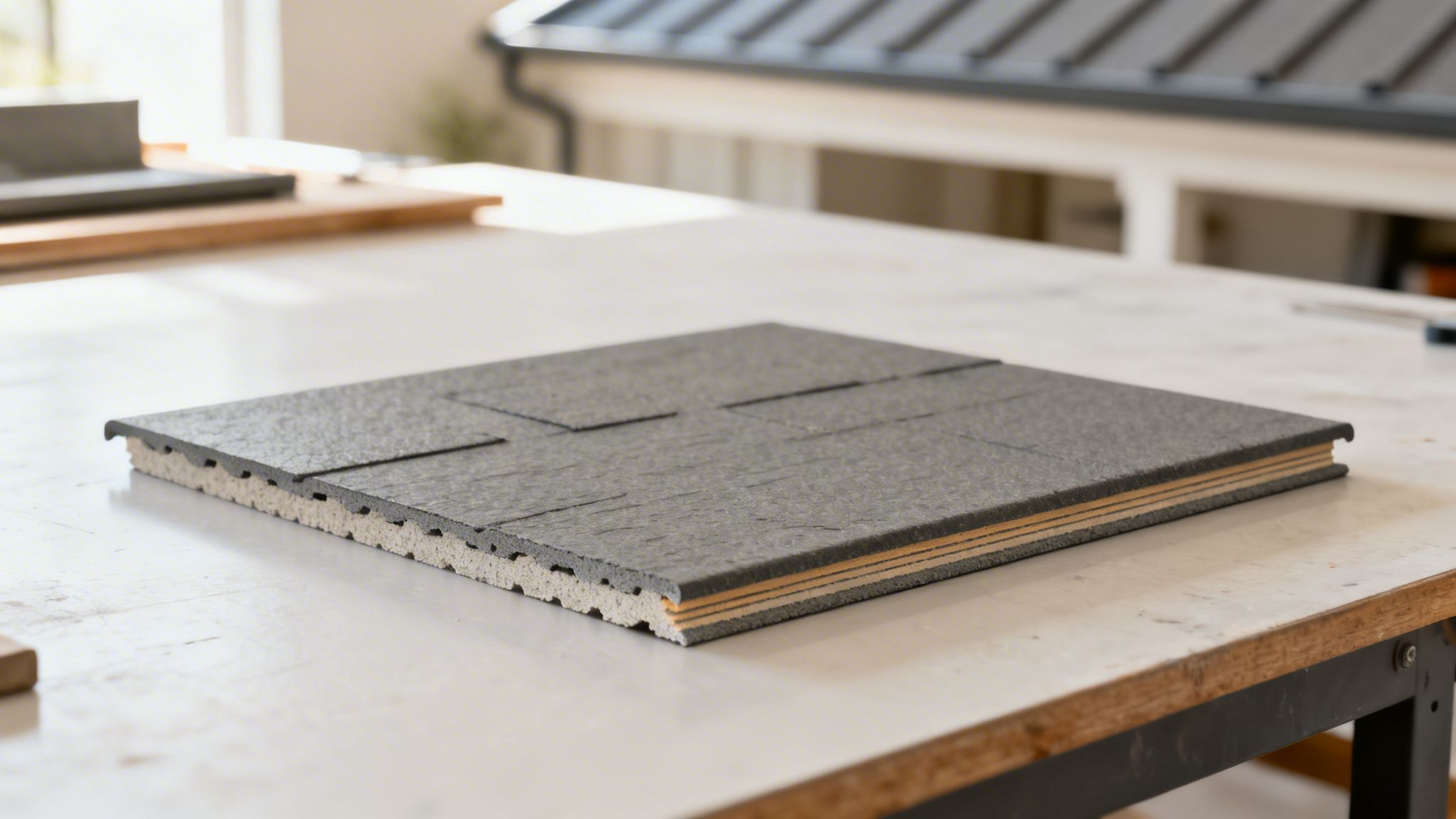
These innovative panels are made by fusing multiple layers together into a “sandwich.” This structure typically includes a tough outer skin to face the elements, an insulating core for thermal efficiency, and a protective inner layer. The result is a single, unified component that’s both incredibly strong and great at keeping your home warm, all while handling driving rain and blustery gusts far better than materials many times its weight.
The Growing Popularity in the UK
It’s no secret that the demand for long-lasting, low-maintenance building materials is on the rise here in Britain. The UK roofing market, valued at US$ 6.67 billion in 2023, is expected to climb to US$ 9.47 billion by 2031. A huge driver behind this growth is the increasing use of composite panel roofing, a system perfectly suited to our unpredictable weather.
For homeowners in Windsor and the surrounding towns, where heavy rain and gusty winds are just part of life, these panels offer exceptional peace of mind. You can explore more on the UK roofing market trends to see just how significantly these materials are shaping the future of the industry.
Composite Panel Roofing at a Glance
So, why are composite panels quickly becoming the go-to choice for new roofs and replacements? Seeing their main features side-by-side makes it easy to understand the appeal.
The table below breaks down the core attributes and the direct benefits they bring to property owners across the UK. It’s a quick way to see if this modern system is the right fit for your home and your long-term goals.
| Feature | Benefit for UK Property Owners |
|---|---|
| Lightweight Construction | Reduces structural stress on older properties and simplifies installation, often lowering labour costs. |
| High Durability | Extremely resistant to cracking, chipping, and fading, easily withstanding harsh UK weather like frost and wind. |
| Low Maintenance | The smooth, non-porous surface resists moss and algae growth, meaning less cleaning and fewer repairs. |
| Excellent Insulation | Many panels include an insulating core, helping to keep homes warmer in winter and reducing energy bills. |
| Aesthetic Versatility | Available in a wide range of colours and finishes that convincingly mimic natural slate and tile. |
This snapshot really clarifies how composite roofing ticks all the boxes for durability, performance, and looks, making it a smart investment for any homeowner.
Key Benefits For Your Property
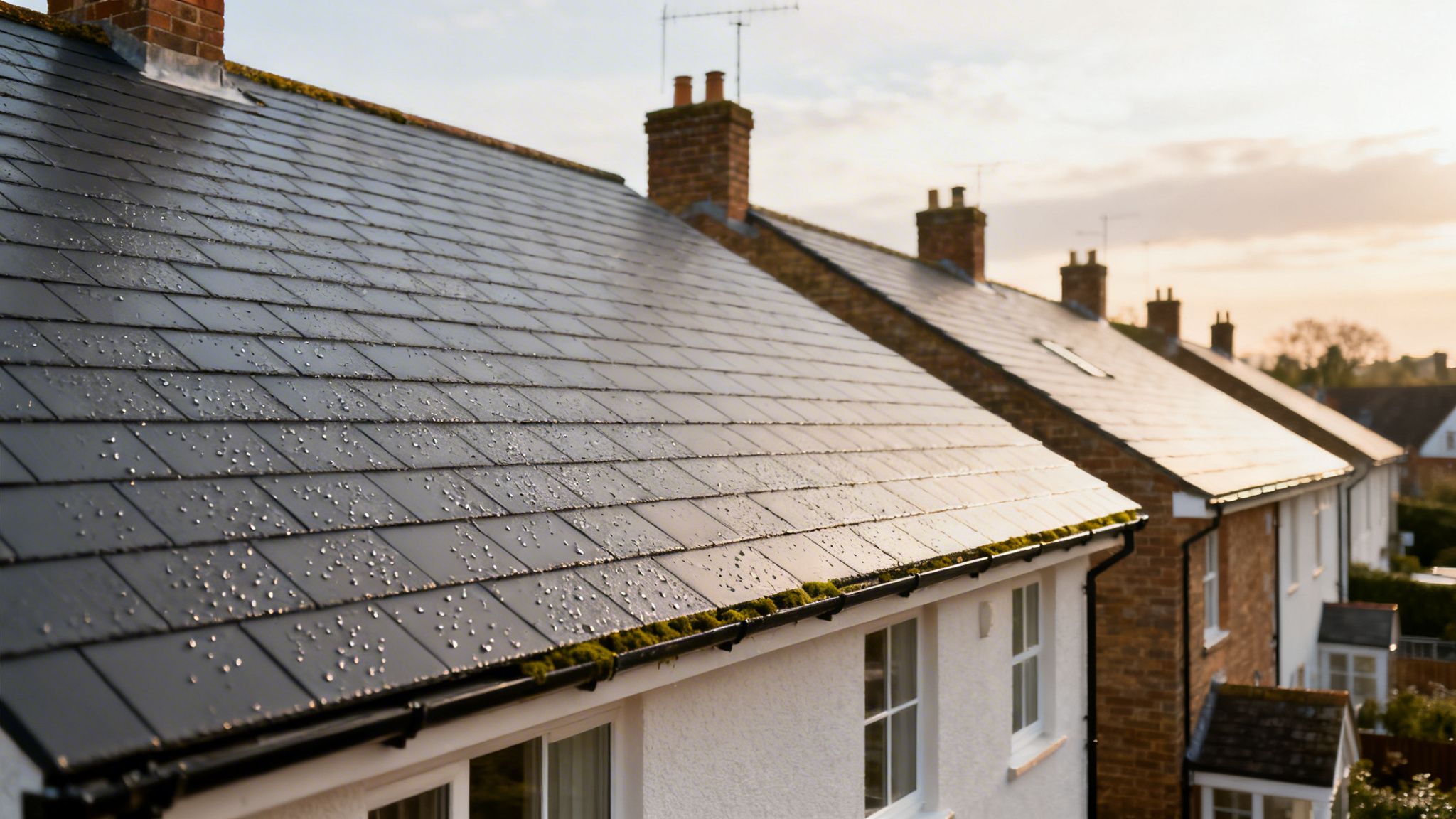
Choosing a new roof is a big decision, and the payoff has to be more than just keeping the rain out. For property owners across Berkshire and the Thames Valley, composite panel roofing is a smart solution that blends modern performance with real long-term value, tackling many of the classic problems we see with UK roofs.
The advantages are practical and often immediate. From shrugging off our notoriously harsh weather to needing far less looking after over the years, these panels are engineered to simply outperform traditional materials where it counts. For homeowners and businesses, that translates directly into peace of mind and genuine savings.
Unmatched Durability Against UK Weather
Here in the UK, our roofs take a relentless battering from wind, rain, and frost. Traditional slate can turn brittle and crack after countless freeze-thaw cycles, while concrete tiles often soak up water, making them vulnerable to frost damage. Composite panel roofing, however, is a different beast entirely.
It’s engineered to be non-porous and flexible, so it can handle sudden temperature drops and driving rain without giving up. Many systems are even rated to withstand very high wind speeds, a critical feature for properties in the more open, rural parts of Berkshire. This resilience means fewer emergency call-outs and a lot less worry when a storm rolls through Windsor or Maidenhead.
Think of it like this: a composite roof is the modern equivalent of a classic waxed jacket. It’s tough, completely waterproof, and designed specifically to handle the relentless damp and windy conditions that define a British winter, ensuring your property stays protected year after year.
Exceptionally Low Maintenance
One of the most tedious jobs for any property owner is tackling the moss and algae that loves the porous surfaces of older tiles. It doesn’t just look untidy; it can trap moisture against the roof, causing it to age faster and potentially clog up your gutters.
Composite panels are made with smooth, tough surfaces that naturally discourage this kind of organic growth. That means you can say goodbye to frequent and risky trips up a ladder to clean it all off. A composite roof keeps its clean, smart appearance for years with very little effort, saving you both time and money on upkeep.
A Long and Reliable Lifespan
When you put money into a new roof, you expect it to last. Composite panel roofing systems are built for the long haul, with most manufacturers offering warranties that reflect a typical lifespan of 40 to 50 years, sometimes even longer. This incredible durability offers an excellent return on your investment, saving you the expense and hassle of another re-roofing project down the line.
This long service life comes down to the advanced materials used to make them. They are completely immune to rot, rust, and insect damage. The colour is also part of the material itself, so it won’t fade or peel away like a simple surface coating might.
Lightweight and Structurally Sound
Another standout benefit is just how light composite panels are. Natural slate, while beautiful, is incredibly heavy and can put a huge amount of strain on a building’s rafters, especially in the older period properties you see across towns like Slough and Reading.
Composite roofing weighs just a fraction of traditional materials, which brings several key advantages:
- Reduced Structural Load: It minimises stress on your home’s framework, a crucial point for extensions or older buildings.
- Faster Installation: Because the panels are lighter and easier to handle, the installation job is often quicker, which can help bring down labour costs.
- Greater Design Flexibility: The lower weight makes it a brilliant option for a much wider range of roof pitches and architectural styles.
As the UK roofing industry moves forward, composite panels are leading the way for durable, low-maintenance solutions. The use of polymer and composite sheets is growing significantly year-on-year in key markets, as people realise how indispensable they are in stormy regions. Their ability to provide rust-proof protection that needs much less upkeep than traditional options is a major draw for property owners looking for a lasting fix. You can discover more about the roofing sheet market to see how these trends are taking shape.
Types Of Composite Panels Available
Choosing the right composite panel roofing involves more than just picking a colour. It’s about matching the panel’s design and core purpose to your property’s specific needs, whether that’s a commercial unit in Slough or a period home right here in Windsor. There are really three main styles out there, each engineered with distinct advantages for different buildings.
Getting your head around these categories is the first step. Some panels are all about thermal performance, others are designed to deliver a sleek, modern aesthetic, and a third type gives you that timeless charm of traditional materials without any of the old headaches. Let’s break them down so you can find the perfect fit for your project.
Insulated Composite Panels
Insulated panels are the real workhorses of the composite roofing world, especially for flat and low-pitch roofs. The best way to think of them is as an all-in-one ‘roof sandwich’. You get a tough, weatherproof skin on the outside, a clean, finished ceiling on the inside, and squeezed between them is a highly effective insulating core, usually made from Polyisocyanurate (PIR) foam.
This clever, integrated design is what makes them so popular for extensions, garages, and commercial buildings across Berkshire. Instead of painstakingly building up separate layers of decking, insulation, and waterproofing, you get a single, highly efficient component. The benefits are clear:
- Superior Thermal Efficiency: That insulating core dramatically cuts down on heat loss. For older terraced houses around Reading that always feel a bit chilly, this can lead to real savings on energy bills.
- Rapid Installation: Because it’s one product, not three or four, installation is much faster than traditional flat roofing systems. That means less labour time and less disruption for you.
- Structural Strength: They might be lightweight, but the sandwich construction makes them incredibly rigid. They can often span larger distances without needing extra support.
Architectural Composite Panels
When a building needs to make a visual statement, architectural panels are what you turn to. These are designed with aesthetics as the absolute priority, offering crisp, clean lines, concealed fixings, and a premium finish that creates a seriously sleek, modern look. We see them used all the time on high-end residential extensions, office buildings, and retail fronts where looks really matter.
While they still provide fantastic weather protection, the focus here is on form and finish. You’ll find a huge range of colours and surface textures, allowing architects and homeowners to achieve something truly distinctive. For contemporary new builds or renovations in towns like Maidenhead and Bracknell, these panels deliver a sharp, sophisticated profile that really stands out.
Architectural panels are to roofing what a tailored suit is to clothing. They are precisely engineered for a perfect fit and a flawless appearance, transforming a functional part of the building into a key design feature that elevates its entire character.
Synthetic Slate and Tile Effect Panels
For many people, especially those with period homes in historic areas like Windsor, keeping that traditional character is non-negotiable. This is where synthetic slate and tile effect panels come into their own. They brilliantly replicate the look and texture of natural slate or classic clay tiles but are made from advanced, modern composite materials.
This lets you have the authentic charm you want without all the classic problems of natural materials, like their extreme weight and tendency to break. They’re a perfect solution for listed buildings or properties in conservation areas where planners insist on a traditional look.
The advantages are pretty compelling:
- Authentic Appearance: Using high-quality moulds and multi-tone finishes, they create a look that’s often impossible to tell apart from the real thing.
- Lightweight Nature: They are just a fraction of the weight of slate, which takes a huge structural load off older roof trusses.
- Exceptional Durability: They won’t crack in a frost, delaminate over time, or shatter if they’re walked on, making them a much more resilient choice for the long run.
If you’re considering a new roof in the Berkshire area, understanding these options is key. For expert advice on which composite panel roofing type is right for your property, contact All Custom Roofing in Windsor today. We can guide you through the best solutions for your specific project.
Installation Process And What To Expect
Getting a new composite panel roof isn’t just about laying down some panels; it’s a precise, multi-stage process that needs a trained eye and a deep understanding of UK building standards. For homeowners in Windsor and across Berkshire, knowing what the professionals are doing up there can make the whole experience feel a lot smoother. It’s about creating a fully integrated, weatherproof shield for your property, and that takes expertise.
It all kicks off with a thorough site survey. Before any tools come out, a qualified team will get up on your roof to inspect its structure, checking the rafters and decking for any weak spots or damage that need sorting first. This is a critical first step, ensuring the framework is strong enough to support the new system for decades to come.
Preparing The Roof Deck
Once the survey gets the green light, the real work begins with carefully stripping back the old roof covering, whether it’s tiles, slate, or old felt. This is always done methodically to keep disruption to a minimum and the site tidy.
Any dodgy timber decking is then repaired or replaced before a high-performance, weatherproof underlay goes down. Think of this breathable membrane as your roof’s second line of defence. It’s a crucial barrier that stops any wind-driven rain from getting through.
At this stage, everything must comply with UK roofing regulations, specifically BS 5534. This isn’t just red tape; it’s a standard that governs everything from how the panels are fixed to ensuring the roof can withstand wind uplift. It’s what makes sure your new roof is tough enough for the worst of the British weather.
Fitting The Panels And Finishing Touches
With the underlay in place, it’s time for the composite panels. These are cleverly designed with interlocking systems that click together to create a secure, seamless surface. The team will work their way across the roof, carefully cutting panels to fit perfectly around features like skylights, pipes, or vents.
To get a better sense of the whole journey from start to finish, you can check out our detailed guide on new roof installation.
This visual shows the main types of composite panels used in modern roofing projects.
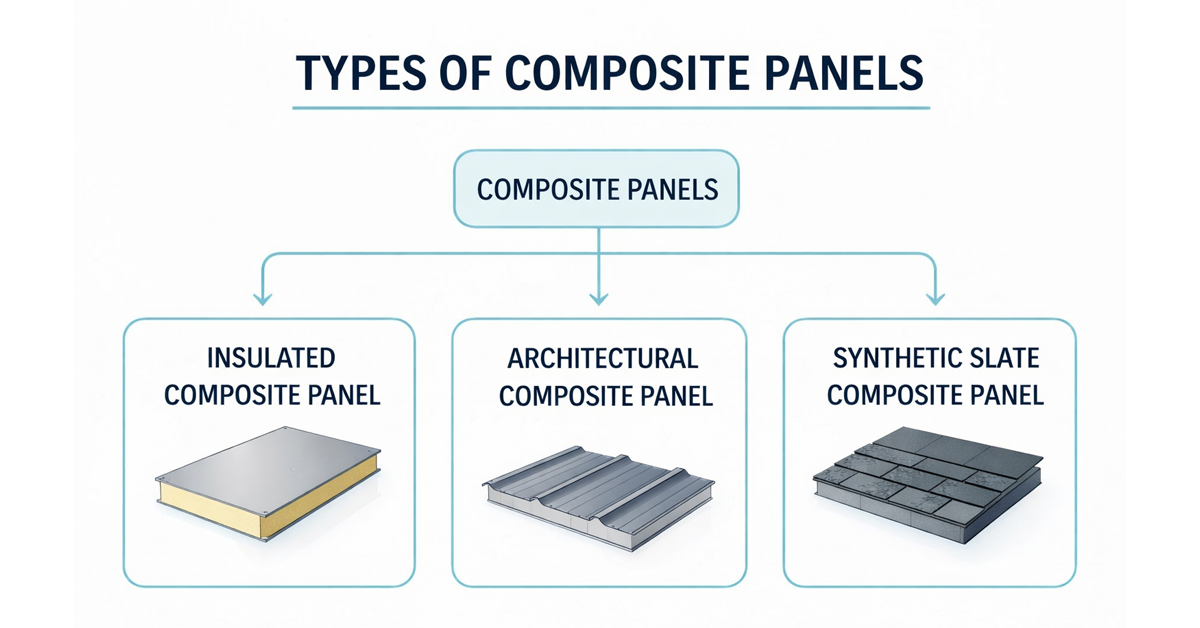
From thermal efficiency to pure aesthetics, the infographic highlights how insulated, architectural, and synthetic slate panels each serve a different purpose.
The final stage is arguably the most critical: the finishing touches. This is where the real craftsmanship shows. It includes:
- Installing Flashings: Lead or lead-alternative flashings are expertly shaped and fitted around chimneys and walls to create completely watertight seals.
- Securing Ridges and Verges: Specialised ridge caps and verge trims are fitted to protect the roof’s edges from wind and rain.
- Integrating Gutters: The guttering system is checked, cleared out, and properly aligned with the new roofline to make sure rainwater drains away effectively.
Throughout the installation, safety is the number one priority. Professional roofers will use the right scaffolding and safety gear to protect themselves, your family, and your property. Regular quality checks happen at every stage to ensure each component is fitted exactly to the manufacturer’s specifications.
This level of expert workmanship is what guarantees your composite panel roof will perform brilliantly for years to come. For a professional installation in Windsor, Reading, Slough, or the surrounding towns, contact All Custom Roofing for a detailed, no-obligation quote.
Cost, Lifespan, And Comparing Alternatives
Whenever you’re thinking about a new roof, two questions always come up first: how much will it cost, and how long is it going to last? While composite panel roofing might have a higher price tag upfront compared to some basic materials, its real value shines through when you look at the bigger picture of longevity and minimal maintenance.
Think of the initial cost as an investment in long-term performance. A composite roof is built to last for decades, often 40 to 50 years or even more. That means you get to skip the hassle and recurring expense of replacing your roof every 15-20 years. This impressive lifespan, combined with its natural resistance to moss and the fact it rarely needs repairs, adds up to serious savings over the lifetime of your home.
Factors Influencing The Price
The final cost for a composite panel roof in Berkshire isn’t a simple one-size-fits-all figure. Every property is unique, and several key factors will shape the final quote.
Understanding what goes into the price helps you see where your money is going and what makes for a quality, long-lasting installation. Here are the main things that will affect your quote:
- Panel Style and Quality: A premium architectural panel with a specialised, textured finish is naturally going to cost more than a standard synthetic slate-effect panel.
- Roof Complexity: A simple, single-pitched roof is far more straightforward to work on than one with multiple valleys, dormer windows, and chimneys. These features require more labour and intricate flashing work to get right.
- Structural Condition: If your existing roof deck or rafters need repairing before the new panels can go on, this will add to the overall project cost.
- Labour and Access: The cost of skilled labour in the Windsor area and how easy it is to access your roof (for example, needing complex scaffolding) also play a part.
To get a clearer idea of what your project might involve, it’s well worth reading our guide on the factors that influence new roof costs.
How Composite Panels Compare to Traditional Materials
To really grasp the benefits of composite panel roofing, it helps to see how it stacks up against the more traditional options you see on homes across the UK. Each material has its place, but they all offer a different balance of cost, lifespan, and maintenance.
While classic concrete and clay tiles are a very common sight, composite panels are quickly becoming a popular choice, especially in areas like Windsor where efficient, durable roofing is a priority. These lightweight systems can actually cut labour time significantly compared to heavy tiles, making for a much faster and less disruptive installation. For homeowners across Berkshire, this means getting a top-tier, weather-resistant roof over your head much quicker.
Composite Panels vs Traditional Roofing Materials
The table below gives a straightforward comparison to help you weigh up your options.
| Roofing Material | Average Lifespan | Initial Cost (per m²) | Maintenance Needs | Best For |
|---|---|---|---|---|
| Composite Panels | 40 – 50+ years | £90 – £150 | Very Low | Durability, low upkeep, and modern or traditional aesthetics on any property. |
| Natural Slate | 100+ years | £120 – £250+ | Low (but repairs are skilled) | Period properties and homes where heritage and ultimate longevity are key. |
| Clay/Concrete Tiles | 50 – 70 years | £70 – £120 | Moderate (prone to moss) | Traditional pitched roofs on a wide range of UK housing styles. |
| Roofing Felt | 10 – 20 years | £50 – £80 | High (vulnerable to tears) | Budget-friendly flat roofs on garages and small extensions. |
This comparison makes it clear: while composite roofing might not be the cheapest option from day one, its blend of a very long lifespan and exceptionally low maintenance makes it a financially savvy choice for the decades ahead. At All Custom Roofing, we provide transparent, detailed quotes for projects across Windsor, Slough, Maidenhead, and Bracknell.
Local Composite Roofing Experts In Windsor And Berkshire
When it comes to protecting your property, the quality of the materials is only half the battle; the quality of the installation is just as crucial. At All Custom Roofing, we bring together the advanced benefits of composite panel roofing with the trusted, reliable service of a local, family-run business.
We’re deeply familiar with the specific challenges that homes and commercial buildings face across Windsor, Slough, Maidenhead, and Bracknell. It's one thing to read about roofing theory, but it's another thing entirely to have years of hands-on experience in the Thames Valley. We know exactly how to install composite systems to stand up to the driving rain and gusty winds common in Berkshire, ensuring every job strictly adheres to UK standards like BS 5534. This local knowledge is your guarantee of a watertight, durable finish that delivers lasting peace of mind.
Why Choose A Local Specialist?
Choosing a local team means choosing accountability and a personal touch. We’re your neighbours, and our reputation is built on the quality of our work and the satisfaction of our customers right here in the community. We're committed to providing a neat, efficient, and transparent service, from the moment we arrive for the initial survey right through to the final clean-up.
When you're looking for a contractor, a professional and clear website can often be a good sign of a reputable company. You can learn more about what goes into this by reading some top roofing website design tips to help you assess different options. At All Custom Roofing, we believe in clear communication and straightforward pricing, making sure you feel confident and informed every step of the way.
Our local team provides dedicated support for:
- Expert Installations: Correctly fitting every single panel for maximum weather resistance and longevity.
- Prompt Repairs: Quickly addressing any damage to maintain your roof's integrity before small issues become big problems.
- Scheduled Maintenance: Offering proactive checks to extend the lifespan of your investment and keep it performing at its best.
Your Free, No-Obligation Quote
Picking the right roofing partner makes all the difference. As local specialists, we offer more than just a service; we offer a commitment to protecting your property with expert workmanship and the best materials for the job. We're proud to be the trusted choice for composite panel roofing solutions in the area.
By working with a dedicated local company, you get faster response times, a deeper understanding of regional property styles, and the reassurance of a team that is always just around the corner.
For honest advice and a detailed, no-pressure quote for your project, get in touch with All Custom Roofing. Let our team show you why homeowners and businesses across Berkshire trust us to deliver reliable, long-lasting results. You can find out more about our dedicated team providing roofing services in Windsor SL4 and the surrounding areas.
Frequently Asked Questions About Composite Panel Roofing
Thinking about a major home improvement like a new roof always brings up questions. It's a big decision, and you want to get it right. To help you feel confident and fully informed, we've put together answers to some of the most common queries we get from homeowners and businesses across Berkshire.
Are Composite Roof Panels Environmentally Friendly?
Yes, for the environmentally conscious property owner, many composite panels are an excellent choice. A lot of them are made with a high percentage of recycled materials, like plastics and rubber, which keeps a significant amount of waste out of landfills.
Their impressive lifespan is another big win for the planet, as it means less frequent replacements and, therefore, less waste over time. Because the panels are so light, transporting them also uses less energy, which helps to lower their carbon footprint. We can point you toward the specific products with the strongest green credentials.
Can Composite Panels Be Repaired If Damaged?
Absolutely. This is one of the most practical advantages of a composite panel roof. If one panel gets damaged, it can usually be repaired or replaced on its own without having to touch the rest of the roof. This makes repairs far simpler and more affordable compared to systems where a small bit of damage means a massive overhaul.
Let's say a heavy branch comes down in a storm and cracks a panel. A professional roofer can carefully remove the damaged section and slot in a new one, getting your roof back to being fully weatherproof in no time.
This modular repair capability is a key benefit for property owners in the UK. It means that unforeseen damage doesn't automatically lead to a huge bill, offering peace of mind that your roof can be maintained efficiently for its entire lifespan.
Is Composite Panel Roofing Suitable For A Flat Roof?
Yes, it's a fantastic solution for flat roofs. Insulated composite panels are particularly well-suited for extensions, garages, and commercial buildings you see all over Berkshire. They provide an all-in-one system that combines the structural deck, insulation, and the weatherproof outer layer.
This integrated design delivers brilliant thermal performance, stopping heat from escaping and helping keep your energy bills down. It also creates a tough, seamless surface that's highly resistant to leaks and the dreaded pooling water that can be such a headache for UK flat roofs.
Do I Need Planning Permission For A Composite Roof?
In most cases, replacing an existing roof with a composite panel system is considered 'permitted development', which means you don't need to apply for planning permission. This is particularly true if the new materials look similar to the old ones.
However, the rules can be a bit tighter if you live in a conservation area, own a listed building, or if the new roof is going to dramatically change how your property looks. We always suggest a quick check with your local council to be safe, and at All Custom Roofing, we're happy to offer guidance on this during our initial chat.
For expert advice or a free, no-obligation quote on composite panel roofing for your property in Windsor, Reading, Slough, Bracknell, Maidenhead, or the surrounding towns, contact the team at All Custom Roofing today. We cover Windsor, Reading, Slough, Bracknell, Maidenhead, and surrounding towns. Find out more at https://customroofing.co.uk.