 (+44) 7900 515 552
23 Oct 2026
 insurance backed guaranteeinsurance backed guarantee
A lot of roofing jobs start the same way in Windsor. You spot a damp mark after a night of hard rain, notice a slipped tile from the driveway, or find bits of mortar in the gutter after wind and frost. At that point, homeowners want one thing quickly. A price.
That’s understandable, but with free roofing estimates, the price only matters if the estimate is built on a proper inspection. A rough verbal figure might feel convenient, yet it often misses the detail that decides whether the job runs smoothly or turns expensive halfway through.
For Berkshire homes, that matters. Period properties in Maidenhead, newer estates in Bracknell, flat roof extensions in Slough, and older pitched roofs around Windsor all behave differently in wet weather. A solid estimate should reflect that, not flatten everything into one generic number.
It’s usually a small warning sign that gets people moving. A patch on the ceiling. A drip in the loft. A ridge tile that no longer looks straight.
The mistake is treating the estimate like a quick shopping quote. Roofing doesn’t work like buying paint or a boiler part. The same visible symptom can come from very different causes. A leak near a chimney might be flashing, a cracked tile, failed underlay, blocked guttering, or condensation in the loft that only looks like a roof leak.
A back-of-an-envelope number often leaves out the part that matters most. What is wrong, how far it has spread, what materials are needed, and what happens if the roof is opened up and more damage is found underneath.
A detailed estimate should do more than state cost. It should show the logic behind the recommendation.
That means clear roof measurements, notes on the condition of tiles, slates, leadwork, valleys, flat roof coverings, and signs of water ingress inside the loft. Good contractors now use digital measuring methods and structured inspection templates because they reduce guesswork. In the wider Roofing industry, that kind of organised process is becoming the standard for companies that want estimates to be accurate and easy for homeowners to understand.
A strong estimate protects you in three ways:
Practical rule: If an estimate doesn’t explain the work in plain English, it isn’t detailed enough yet.
For UK homes, especially in places where rain, frost, moss, and wind all play a part, the estimate is the first proper diagnosis. That’s why the best free roofing estimates don’t feel rushed. They feel methodical.
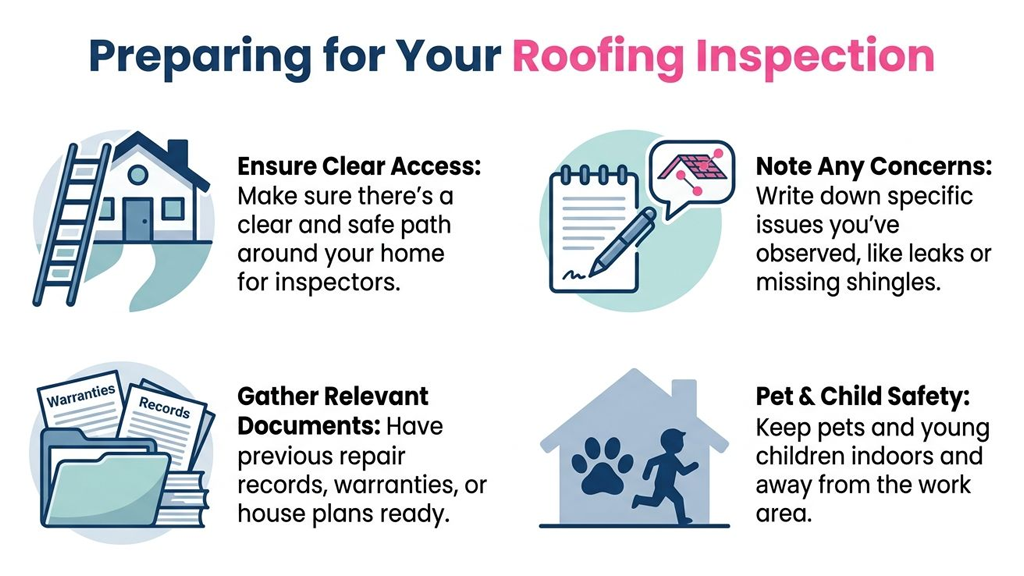
You don’t need to know roofing terms before the contractor arrives. You do need to make the inspection easier.
A little prep helps the roofer see more, ask better questions, and produce a written estimate that reflects your property rather than a rushed glance from ground level.
 A close-up view of two men shaking hands over a business contract while working on construction financing.
Before the visit, walk around the house and write down what you’ve noticed.
Keep it simple:
That timing matters. A leak that appears only in one wind direction can point to a very different issue than a leak that occurs during every downpour.
Roofers can only inspect what they can safely reach. Clear the obvious access points before the appointment.
A few practical jobs help:
If you’ve got a flat roof extension, conservatory, or garage roof, mention it before the visit. Those areas are often linked to the main problem, even when the leak appears elsewhere.
If you have documents, have them ready. If you don’t, don’t worry.
The most useful things are:
The best inspection visits are the ones where the roofer doesn’t have to guess what happened last time someone “fixed” it.
This is especially useful on older Berkshire properties where repairs may have been patched over more than once.
Some people want the cheapest safe repair. Others want a longer-term fix because they’re planning to stay in the house. Landlords may want clear maintenance priorities across several roofs.
Say that upfront. It changes the recommendations.
If your main concern is budget, say so. If your main concern is avoiding repeat call-outs in winter, say that too. Free roofing estimates are more useful when they’re built around your actual goal, not just the defect.
A proper site visit should feel calm and systematic. It shouldn’t feel like someone glances up from the driveway, names a price, and moves on.
For a house in Windsor or the wider Berkshire area, a roofer should inspect both the outside and the inside where possible. Roof problems rarely tell the full story from one side alone.
Outside, expect a close look at the main roof covering and all the weak points around it.
That usually includes:
Inside the loft, the roofer should check for staining, daylight through gaps, damp insulation, timber condition, and ventilation issues.
Skilled estimating separates itself from guesswork. According to Rooferbase’s guide to roof measurements, tools, tech and tips, UK roofing contractors using digital templates and thorough measurement techniques can achieve conversion rates of 25-30%, compared to just 15% for those relying on manual bids. That matters to homeowners because better measuring usually leads to clearer proposals and fewer misunderstandings.
Digital tools aren’t there to impress you. They help the contractor calculate roof area, edges, waste, and materials more accurately, especially on cut-up roofs with dormers, hips, valleys, and awkward extensions.
If you want a deeper look at how a professional quote visit should unfold, this guide on what to expect when getting a new roof quote is useful reading.
You don’t need to interrogate the roofer, but a few direct questions can save trouble later.
Ask things like:
A reliable roofer won’t try to rush you into agreeing on the spot. They’ll explain what they’ve found, point out anything urgent, and tell you what will appear in writing later.
If the explanation on site is clear, the written estimate usually is too.
That’s the standard to look for. You’re not just buying work. You’re judging whether this contractor understands your roof and can explain it properly.
When the estimate arrives, many homeowners scan the total and skip the rest. That’s where problems creep in.
A proper estimate should read like a plan for the job. You should be able to see what’s being done, what materials are being used, what has been allowed for, and what may still depend on findings after work starts.
At minimum, look for these basics in writing:
For anyone who wants to understand how inspection findings should feed into the written paperwork, this guide to a roof inspection report helps connect the dots.
One of the biggest issues with free roofing estimates is not the inspection itself. It’s what gets left out.
A 2024 Which? survey found that 28% of UK homeowners reported unexpected fees after receiving a free estimate, often due to omitted essentials such as scaffolding or skip hire, with those costs averaging £500-£1,200 in South East England according to a review of what a free estimate really means for roof repair.
That’s why vague phrases like “all work completed as needed” should ring alarm bells. They hide more than they explain.
Contractors who use structured digital systems tend to produce cleaner paperwork.
| Typically Included in Quote | Often an Optional Extra or Separate Cost |
|---|---|
| Labour for the stated roofing work | Scaffolding |
| Named roofing materials | Skip hire or specialist waste disposal |
| Standard fixings and basic ancillaries | Structural timber repairs found after strip-off |
| Removal of listed defective materials | Upgrades beyond the agreed specification |
| General site clean-up | Additional insulation or ventilation improvements |
| VAT if the estimate says it is included | Emergency temporary works done before the main job |
Check this carefully: If the estimate doesn’t say whether scaffolding, waste removal, and VAT are included, ask before you accept anything.
The best written estimate is the one that leaves very little to interpretation.
Once you’ve got several written estimates, don’t line them up by total alone. That’s the quickest way to choose badly.
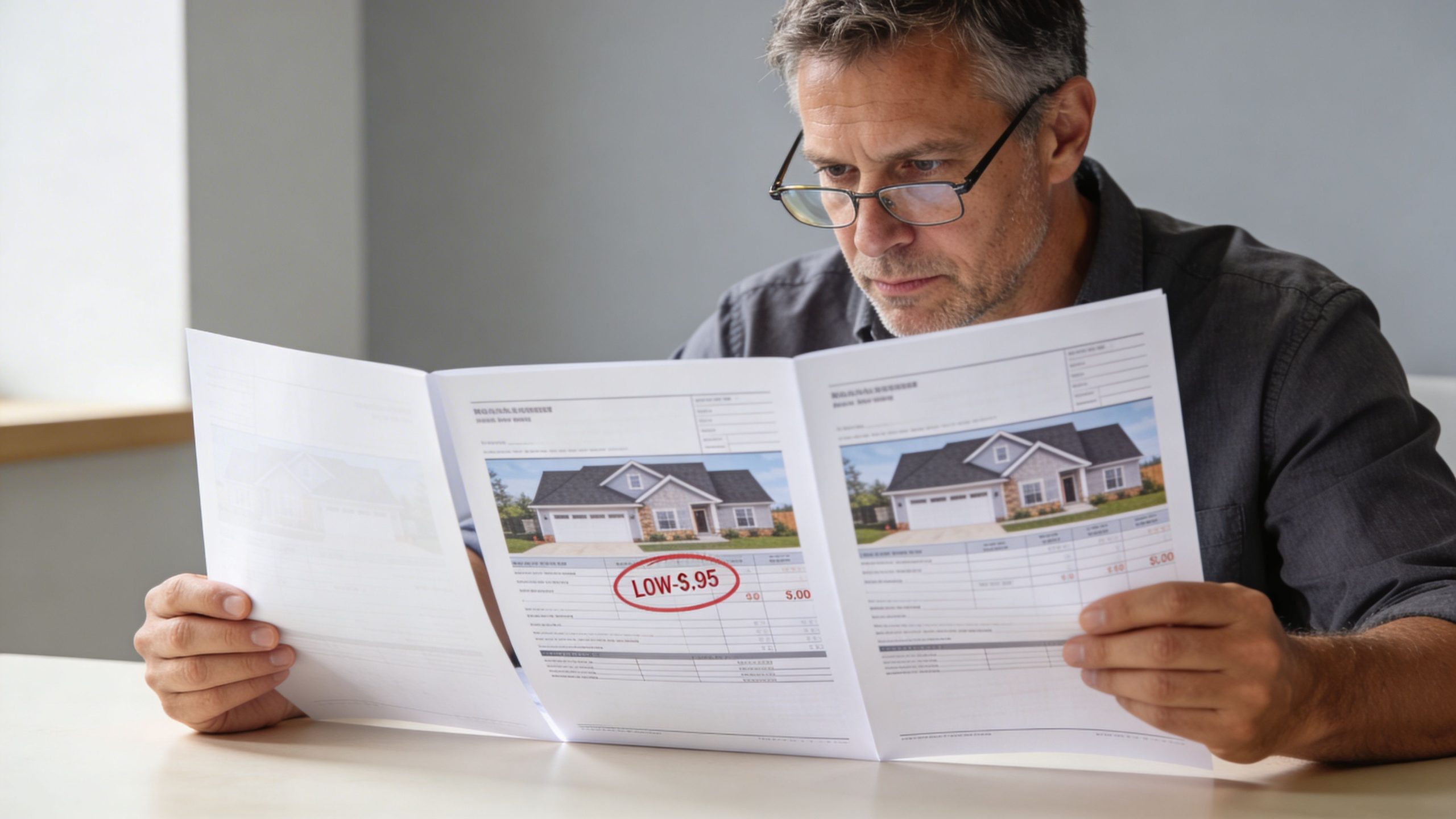
A lower price can be perfectly legitimate. It can also mean thinner materials, less prep, missing access costs, shorter guarantees, or a contractor who hasn’t fully understood the job. On Berkshire properties, where chimneys, valleys, older timber, and awkward extensions are common, omissions are easy to hide inside a cheap quote.
Put the estimates side by side and look at the detail, not just the number at the bottom.
Focus on these points:
Insurance jobs need extra care here. For many UK home insurance claims, obtaining at least three like-for-like quotes is a standard legal requirement, as noted in this guidance on roof angle and estimating considerations. If the quotes aren’t comparable, your insurer may question them.
Some warning signs turn up again and again.
Be careful if a contractor:
None of these automatically prove bad workmanship, but together they usually point to poor process.
The cheapest quote often works by postponing cost rather than removing it. Inferior detailing around chimneys, valleys, abutments, or flat roof outlets may not fail on day one. It fails when the weather turns.
That’s why value matters more than headline price. You want a contractor who has priced the work, allowed for the practical realities of your roof, and written it down clearly enough that both sides know what’s included.
This short video gives a useful homeowner’s perspective on what to watch for when comparing roofing quotes.
It isn’t always the cheapest. It’s usually the one with the fewest loose ends.
A good quote answers questions before you have to ask them.
That means clear materials, realistic access planning, proper paperwork, and no pressure tactics. If one estimate leaves you feeling rushed or confused, trust that reaction. Roofing work is disruptive enough without starting from uncertainty.
Once you’ve chosen the estimate that gives you the best value, the next step is to turn that estimate into a proper agreement.

Don’t rely on a text message saying “all booked in”. Ask for written confirmation of the scope, the agreed price, the payment schedule, and the expected start date. If timings depend on weather or scaffold availability, that should be stated plainly.
Before signing anything, check these points:
This is also the moment to ask how communication will work once the job starts. You want to know who you’ll speak to if weather delays things, extra timber repairs are needed, or access has to change.
A new roof or major repair isn’t a small household spend. For many homeowners, spreading the cost is the practical option, especially when the work can’t be delayed until “sometime next year”.
If finance is available through an FCA-regulated arrangement, ask for the terms in writing and take time to read them. Regulated finance can be a sensible route when the alternative is leaving active leaks, failed flat roof coverings, or storm damage to worsen.
If you want to understand the options before making a decision, this guide on exploring your options for new roof financing is a helpful place to start.
A sound final decision usually comes down to three things. Clear paperwork, realistic pricing, and confidence that the contractor has understood your roof.
Not always. Some firms use the words interchangeably, but there can be a difference.
An estimate is often an informed assessment based on what can be seen at inspection stage. A quote usually implies a firmer price for a defined scope of work. Ask which one you’re receiving, and whether anything could change once the roof is opened up.
No. That’s often a good sign.
A careful contractor may need to review measurements, material choices, access needs, and written notes before issuing the estimate. Instant prices are only useful if the inspection was thorough enough to support them.
They should where access is safe and relevant to the issue. A loft inspection often reveals water ingress, daylight, condensation, or ventilation problems that aren’t obvious from outside.
That happens regularly. One contractor may propose a local repair, while another may think the surrounding area is too worn for that to last.
Ask each one to explain the reasoning in plain language. The strongest answer is usually the one that links the visible symptoms to a clear cause and a defined scope of work.
Yes. It helps you compare scope, materials, and overall value.
It’s especially important where insurance is involved, where older roofs have had several past repairs, or where one contractor’s recommendation seems much more drastic than the others.
In many cases, yes. The important part is that any finance arrangement is properly explained and, where applicable, handled through a regulated process. Read the terms carefully before agreeing.
If you want clear, no-pressure advice on free roofing estimates, contact All Custom Roofing in Windsor for expert roof repairs, replacements, and maintenance across Berkshire. We cover Windsor, Reading, Slough, Bracknell, Maidenhead, and surrounding towns, with transparent pricing and practical guidance suited for UK homes and weather.