 (+44) 7900 515 552
16 Oct 2026
 insurance backed guaranteeinsurance backed guarantee
Think of your home’s gutters and downpipes as its essential raincoat. In our notoriously wet UK climate, this system is your first line of defence, guiding thousands of litres of rainwater safely away from your walls and foundations. When it fails, the consequences can be severe, leading to penetrating damp, mould, and even costly structural damage.
It’s easy to overlook your guttering. Tucked away at the roofline, it silently does its job day after day. But these simple channels are not just an accessory; they are a critical protective system for your entire property.
Imagine a typical British downpour in Windsor or Reading. A standard-sized roof can collect a staggering amount of water in just a few minutes. Without effective gutters and downpipes, all that water would simply cascade down your walls, saturating the brickwork and pooling right at the base of your home.
Letting this system fall into disrepair is a gamble you really cannot afford to take. The constant dampness it invites can trigger a whole host of expensive problems that go far beyond a few unsightly stains.
When water is not channelled away properly, it will always find the path of least resistance. This often means seeping into your home’s structure, compromising fascia boards, causing timber to rot, and creating the perfect environment for black mould to flourish inside your walls.
This is a huge issue right across Berkshire and the UK. Faulty gutters are behind a significant number of home water damage claims each year, a serious figure when you consider our average annual rainfall. A healthy gutter system does not just move water off the roof; it works hand-in-hand with comprehensive backyard drainage systems to fully protect your home’s foundation and garden.
A well-maintained rainwater system does more than just prevent damage; it actively preserves your home’s value and integrity. Clean, functional gutters add to your home’s kerb appeal and show potential buyers that the property has been looked after. On the flip side, sagging, leaking gutters are a massive red flag during any property inspection.
For a deeper look at how every component fits together, you might want to check out our guide on rain gutter outlets.
For homeowners across Berkshire, from Slough to Maidenhead, making sure your home’s primary defence against the rain is working perfectly is not just good sense, it’s essential. Get in touch with All Custom Roofing in Windsor for an expert assessment of your downpipes and gutters to ensure your property stays protected. We cover Windsor, Reading, Slough, Bracknell, Maidenhead, and surrounding towns.
When you are looking at new downpipes and gutters, the material you choose is a bigger deal than you might think. It is not just about function; it is about finding the right fit for your home’s style, your budget, and how much maintenance you’re prepared to do. What works perfectly for a modern new-build in Maidenhead could look completely out of place on a period property in Reading.
Your choice will directly influence everything from your weekend to-do list to your home’s kerb appeal. Taking a moment to understand how each material performs in the real world is the key to making a smart investment you’ll be happy with for decades.
Here in the UK, we are fortunate to have a great range of guttering materials to choose from. Each has its own set of pros and cons, especially for properties across Berkshire where the weather can be predictably unpredictable.
Here’s a quick rundown of the most popular options:
uPVC (Unplasticised Polyvinyl Chloride): This is by far the most common choice for UK homes, and for good reason. It’s light on the wallet, simple to install, and won’t rust or corrode. Beyond a regular clear-out, it’s virtually maintenance-free.
Aluminium: If you are after a sleeker, more contemporary finish, aluminium is a fantastic option. It’s often supplied in one continuous length, which is a huge plus because it drastically cuts down the risk of leaks at the joints. It costs more than plastic, but its durability makes it a solid long-term investment.
Cast Iron: For period and heritage properties, nothing beats the authentic look of cast iron. It’s incredibly tough and can easily last for over 100 years if it is looked after. It is heavy and expensive, and you’ll need to repaint it every few years to keep rust at bay, but the classic aesthetic is simply unmatched.
Steel: A great middle-ground option, steel is strong and usually galvanised or coated to prevent rust. It strikes a nice balance between the cost of uPVC and the sheer toughness of other metals. You just need to be careful not to scratch the protective coating.
To make the decision a bit easier, here’s a table comparing the most common materials we see on UK homes.
| Material | Typical Lifespan (Years) | Cost (per metre) | Maintenance Level | Best For |
|---|---|---|---|---|
| uPVC | 20-30 | £5 – £15 | Low | Modern homes, budget-conscious projects, and DIY installations. |
| Aluminium | 40+ | £20 – £40 | Low | Contemporary properties and homes where a jointless finish is desired. |
| Steel | 25-40 | £15 – £30 | Medium | A durable and cost-effective alternative to aluminium, suitable for most homes. |
| Cast Iron | 50-100+ | £40 – £70+ | High | Period, listed, and heritage properties where authenticity is essential. |
Each material has its place, and the best one for you really depends on your property’s character and your long-term goals.
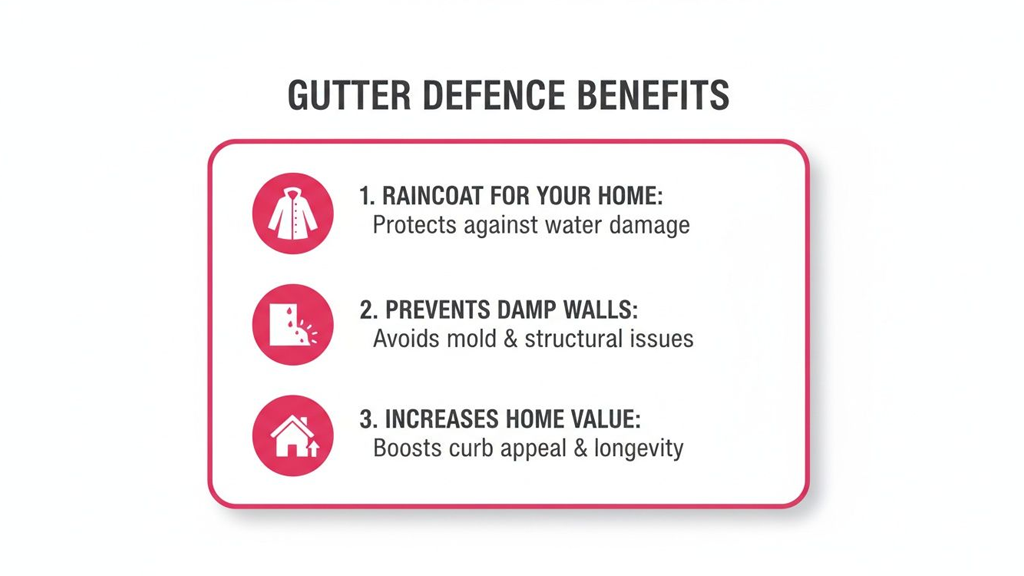
As you can see, a good guttering system is your home’s first line of defence against water damage. It does so much more than just channel a bit of rain away.
Once you have settled on a material, you also need to think about the shape, or profile, of the guttering. This choice affects both how it looks and how much water it can handle from your roof.
Choosing a gutter profile is like picking the right frame for a picture. The right style enhances the overall look of your home, while the wrong one can feel out of place and detract from its character.
Here are the three main styles you’ll come across on UK properties:
Ultimately, the combination of material and profile is what determines how well your downpipes and gutters protect your home while complementing its style. For anyone living in Windsor, Slough, or the surrounding towns, it pays to consider the local architecture when making a choice.
A professional can help you find that perfect sweet spot between performance and appearance. If you need expert advice on choosing and installing the right guttering for your home, get in touch with All Custom Roofing in Windsor. We serve Reading, Bracknell, Maidenhead, and all the surrounding areas with quality materials and workmanship you can trust.
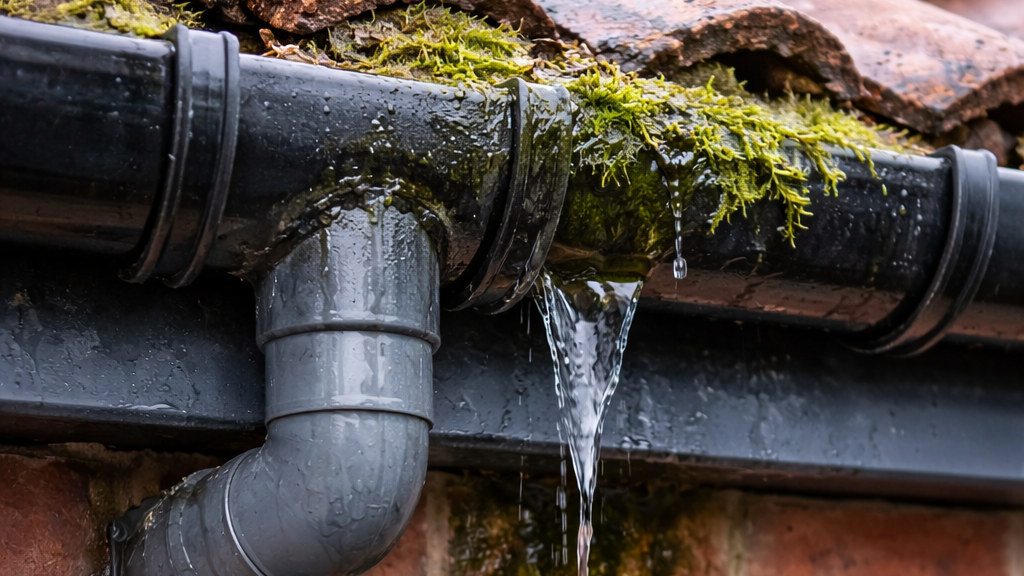
Your downpipes and gutters almost never fail without giving you a few warning signs first. Think of it like a slow puncture in a tyre; the signs are subtle at first, but ignoring them eventually leads to a total breakdown. Learning to spot these clues is the key to preventing a minor issue from turning into a major, costly repair for your Berkshire property.
The good news is you do not need to be a roofer to do a basic visual check. By simply paying attention to your home, especially during and after it rains, you can become your own first line of defence. This section will walk you through the common red flags to watch out for.
Blockages are by far the most common problem we see. They’re usually caused by a simple build-up of fallen leaves, moss washed down from the roof, or other bits of debris. When water can’t flow freely where it is supposed to, it has to go somewhere else, and the results are often easy to spot.
Keep an eye out for these tell-tale signs:
Not all signs are as dramatic as a waterfall. Sometimes, the evidence of a guttering problem is more subtle, appearing on the walls of your house or on the ground below. These clues often point to slower, more persistent leaks that can cause damage over time.
For Windsor homeowners, where heavy Berkshire downpours are common, this is a major concern. The persistent rain, wind, and frost in our climate put roofing and guttering systems under constant stress.
A quick walk around your property can reveal a lot. Pay close attention to these specific warnings:
Damp patches, green algae trails, or peeling paint on the brickwork or render directly below your gutter line are serious red flags. They show that water is consistently spilling over the edge and soaking into the wall, which can lead to penetrating damp and mould growth inside your home.
Believe it or not, your ears can sometimes detect a problem before your eyes do. The sounds your rainwater system makes, or does not make, can give you valuable clues about its condition.
Catching these problems early is crucial. A small leak or minor blockage is often a simple fix. If left unattended, however, it can lead to rotting fascia boards, damaged foundations, and expensive interior repairs. Regular inspections are a vital part of home maintenance for any property owner in Reading, Bracknell, or the surrounding towns.
If you spot any of these signs, do not wait for things to get worse. Contact All Custom Roofing in Windsor for a professional inspection. We cover Windsor, Reading, Slough, Bracknell, Maidenhead, and surrounding towns, providing expert repairs to keep your home safe and dry.
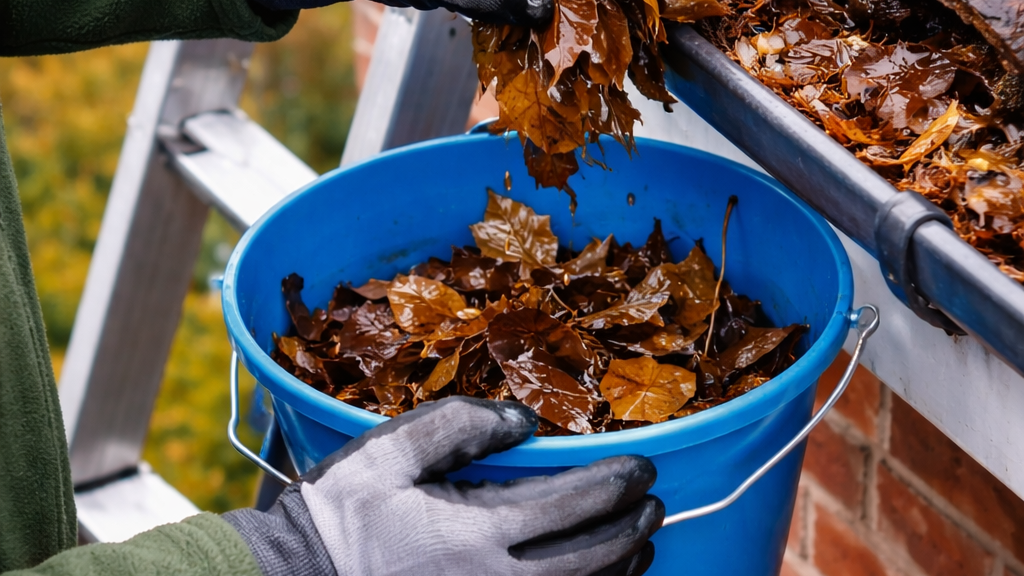
Think of your guttering system like a car engine; it needs regular servicing to run smoothly. Consistent maintenance for your downpipes and gutters is the best way to prevent small blockages from turning into major, costly water damage. This is particularly true here in the UK, where our famously wet weather constantly puts your entire rainwater system under pressure.
Following a simple schedule that works with our seasons will protect your home year-round. It ensures your gutters are always prepared to handle whatever the British weather decides to throw at them, from heavy autumn downpours to harsh winter frosts.
Staying on top of gutter maintenance is not a complex job, it is just about doing the right things at the right time. For most UK homeowners, especially in leafy areas of Berkshire, a seasonal approach is the most effective.
Following a simple seasonal routine transforms gutter care from a reactive chore into a proactive strategy. An hour of prevention in autumn can save you from dealing with overflowing gutters and potential water damage during a winter storm.
For bungalows and single-storey properties, DIY gutter cleaning is often a manageable task, provided you have the right equipment and prioritise safety. If you decide to handle it yourself, always use a sturdy ladder and never over-reach. It’s also wise to wear thick gloves, as the debris in gutters can be surprisingly sharp.
However, the moment you start dealing with greater heights, the risks climb just as fast.
Knowing when a job is best left to the experts is just as important as knowing how to do it yourself. DIY cleaning simply is not a sensible option for every property.
You should always call a professional service like All Custom Roofing if:
Hiring a professional team gives you more than just safety and convenience. When our experts at All Custom Roofing visit, we are not just cleaning your gutters; we are performing a complete health check. We can spot the early signs of wear and tear that an untrained eye might easily miss, giving you total peace of mind that your home is protected.
For homeowners in Windsor, Slough, Maidenhead, and across Berkshire, professional maintenance is a small investment that protects your property from the significant cost and stress of water damage. Do not wait for a leak to appear; contact All Custom Roofing today to schedule a comprehensive gutter service.
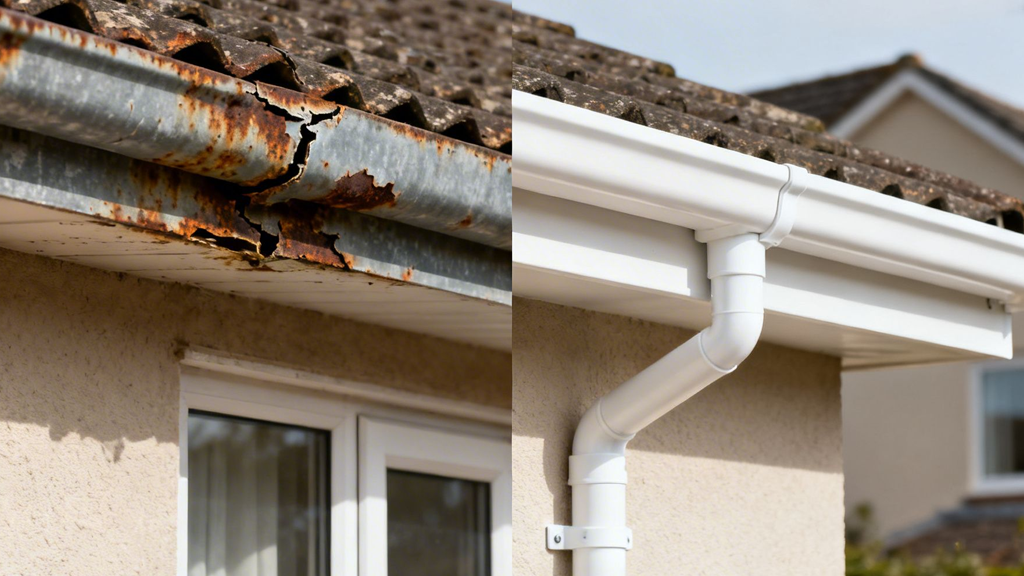
Is that dripping joint just a minor annoyance, or is it the first sign of a much bigger headache? It’s a question every homeowner in Berkshire has asked themselves at some point. Making the right call between repairing and replacing your guttering is a critical decision, balancing a short-term spend against long-term peace of mind.
Deciding whether to patch up your existing downpipes and gutters or invest in a completely new system can feel like a gamble. But by knowing what to look for, you can make a confident choice that protects your property. Some issues are perfect for a targeted repair, while others are clear signs that the whole system is on its last legs.
For isolated problems, a localised repair is almost always the most sensible and cost-effective option, especially if the rest of your guttering is in good shape. Catching these issues early can easily add several more years to the life of your system.
A repair is likely your best bet if you spot:
Think of it this way: if your car gets a flat tyre, you replace the tyre, not the whole car. But if the engine, gearbox, and chassis are all failing, you start looking for a new vehicle. The same logic applies to your guttering.
Sometimes, a repair is just a plaster on a much bigger wound. Throwing money at patching up a system that’s failing everywhere is a false economy. It’s far smarter to invest in a full replacement when you see widespread issues that prove your gutters have reached the end of their useful life.
It’s time for a full replacement when you see:
For a deeper dive, you might find our guide on how to repair roof gutters and the signs to look for helpful.
A professional assessment from All Custom Roofing can give you real clarity. We offer honest, straightforward advice to homeowners in Windsor, Reading, Slough, and across Berkshire, helping you decide on the most cost-effective, long-term solution for your home.
Even after getting to grips with how downpipes and gutters are supposed to work, most homeowners we meet still have plenty of practical questions. We hear them all the time from residents across Berkshire. So, we’ve put together some clear, expert answers to the most common queries to help you stay on top of your home’s rainwater system.
For the majority of homes in the UK, especially in leafy spots like Windsor and Bracknell, we find that cleaning your gutters once a year is usually enough. The perfect time is late autumn, right after the trees have dropped their leaves but before the heavy winter rains and frost set in. This one simple job prevents the biggest cause of blockages.
However, if your house sits directly under large deciduous trees or is surrounded by tall pines, a twice-yearly clean is a much safer bet. An extra clean in late spring clears out any leftover winter debris, blossom, and twigs. This ensures your gutters can handle those sudden, heavy summer downpours without a problem. It’s the single best routine to stop water from seeping into your brickwork and foundations.
Gutter guards, sometimes called gutter brushes, can be a fantastic investment for the right property. Think of them as a filter: they let rainwater flow freely into the gutter but stop bigger debris like leaves, clumps of moss, and twigs from ever getting in. This massively cuts down on how often you need a full clean-out and helps stop blockages from forming in your downpipes.
It’s important to see them for what they are, though. They are not a ‘fit-and-forget’ magic bullet. Fine grit from roof tiles, pine needles, and sediment can still get through or build up on top of the guards, eventually slowing down the water flow.
Gutter guards are best thought of as a low-maintenance solution, not a no-maintenance one. They still need a periodic check and a quick clean to make sure they’re working properly and have not created a new blockage of their own.
If you are in Reading or Maidenhead, the All Custom Roofing team can pop over, take a look at your roof and the surrounding trees, and give you honest advice on whether guards are a smart move for your home.
A blocked downpipe is usually much more dramatic than a blocked gutter. It’s the bottleneck for all the water collected along your roofline, so when it clogs up, you’ll know about it pretty quickly.
Keep an eye out for these classic giveaways:
Trying to clear a blocked downpipe without the right tools can be tricky and you could easily damage the pipe. If you suspect a blockage, your safest bet is always to call in a professional.
That noisy downpipe can be a real pain, especially when it’s right outside a bedroom window. The noise usually comes in two flavours: a constant pinging or a rattling clatter.
The “Drip, Drip, Ping” Sound:
This is a classic. It’s caused by single water droplets falling a long way down the pipe and hitting the bottom elbow. The hollow pipe acts like a drum, amplifying the sound. A quick DIY fix is to pop a small piece of artificial turf or a non-scratch scourer into the bottom of the pipe to cushion the landing, but you have to be careful not to create a new blockage.
Rattling and Clattering:
This is a mechanical noise. It’s almost always caused by loose brackets that let the downpipe vibrate against the wall in high winds or when water rushes through. The fix is to go around and check all the mounting brackets, tightening up any loose screws. For extra peace and quiet, a small rubber or foam pad placed between the pipe and the wall acts as a great buffer to deaden the vibrations.
Yes, you absolutely do. Under UK building regulations, you are responsible for managing the rainwater that lands on your property. The main goal is to stop it from flooding your neighbours’ garden or overwhelming public drains.
For new builds, extensions, or even new driveways and patios, the rules now heavily favour using Sustainable Drainage Systems (SuDS).
Most often, this means installing a soakaway, a large, rubble-filled pit dug in your garden that your downpipes feed into. This allows the rainwater to drain away naturally and harmlessly into the ground on your own land. Discharging rainwater straight into a combined sewer (which also carries household waste) is now strictly controlled and usually requires special permission from the local water authority.
Making sure your downpipes and gutters connect to a compliant drainage solution is not just good practice; it is a legal requirement. We can assess your current setup to ensure your system meets all local rules for properties in Slough, Wokingham, and the wider Berkshire area.
If you have more questions or need an expert to inspect, repair, or replace your guttering system, get in touch with All Custom Roofing. We provide trusted, professional roofing and guttering services across Windsor, Reading, Slough, Bracknell, Maidenhead, and the surrounding towns. Visit us at https://customroofing.co.uk to learn more.
If a gutter problem needs sorting out right away rather than as planned maintenance, see our advice on emergency gutter repairs for what to do first and when to call in a professional.