
 (+44) 7900 515 552
23 Oct 2026
 insurance backed guaranteeinsurance backed guarantee
Regular maintenance & repair is the most effective way to head off a catastrophic roof failure and protect the value of your property. It’s all about proactive care: simple, scheduled checks and minor fixes that stop small issues in their tracks. A single slipped tile or a bit of moss build-up can easily escalate into a leak that costs thousands to put right.
For most UK property owners, the roof is a classic case of “out of sight, out of mind”… until a damp patch mysteriously appears on a bedroom ceiling. This reactive approach, which we see all the time in homes from Windsor to Reading, often turns a small, manageable problem into a major, costly crisis.
Proactive roof care completely flips this script.
Instead of waiting for damage to happen, the focus is on prevention. Think of it like servicing your car; you don’t wait for the engine to seize before you check the oil. The same logic applies to your roof, which is constantly battling British weather, from driving autumn rain to the harsh freeze-thaw cycles of winter.
A reactive mindset means you’re always dealing with the consequences: water damage, ruined insulation, and even structural timber rot. A proactive one focuses on tackling the causes. This simple shift is the foundation of effective property protection.
Here’s why it makes so much sense:
By spotting and addressing minor wear and tear early, you take back control of your property’s health. This isn’t about climbing up ladders every weekend; it’s about developing an awareness of your roof’s condition and acting on it.
Ignoring your roof does more than just risk leaks. Trapped moisture and poor airflow can lead to serious problems that are not immediately visible from the ground. Beyond the obvious repairs, understanding the importance of proper roof ventilation can significantly extend your roof’s lifespan.
Inadequate ventilation is a silent destroyer. It contributes to condensation building up in the loft space, which can slowly rot timber rafters from the inside out.
Ultimately, scheduling routine maintenance & repair isn’t an expense, it’s an investment in your property’s structural integrity and your financial security. For expert advice and inspections across Slough, Bracknell, and Maidenhead, it pays to trust a local professional. Contact All Custom Roofing in Windsor to build a maintenance plan that protects your home for years to come.
The UK’s seasons are nothing if not distinct. More than just a change in scenery, they throw a unique set of challenges at your roof. From the intense UV exposure of summer to winter’s relentless freeze-thaw cycles, each season demands a specific game plan for keeping your roof in top shape. For property owners across Berkshire and the surrounding counties, a year-round action plan is simply the smartest way to stay ahead of trouble.
This timeline really puts into perspective the long-term impact of proactive roof care versus just reacting to problems as they appear.
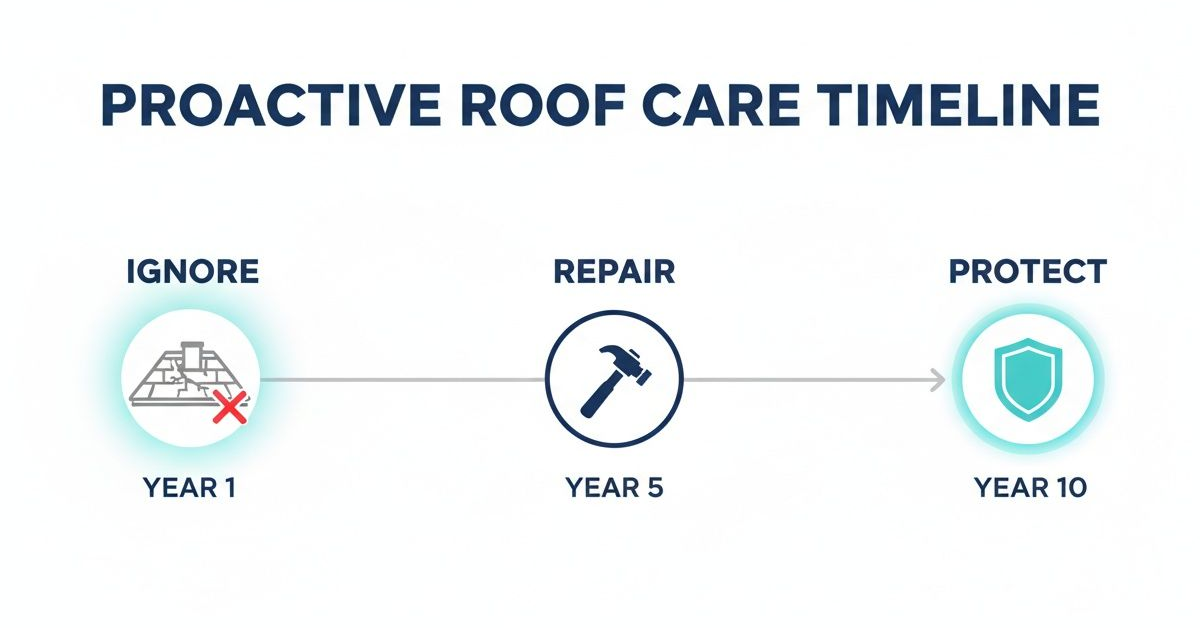
The takeaway here is pretty clear: small, protective actions taken early on can massively delay the need for expensive, large-scale repairs down the line.
Getting into the habit of a seasonal checklist helps you spot those little problems before they blow up into major headaches. The good news is, most of these checks can be done safely from the ground, giving you a solid idea of your roof’s health without ever setting foot on a ladder.
To make things even easier, here’s a quick-glance schedule to keep you on track throughout the year.
This simple checklist breaks down the key tasks for each season, helping you stay organised and protect your property.
| Season | Key Tasks | Primary Focus |
|---|---|---|
| Autumn | Clear gutters & downpipes; check for summer sun damage; trim overhanging branches. | Water management and preparing for winter. |
| Winter | Look for slipped/missing tiles; check loft for leaks; inspect for frost heave damage. | Damage control and heat retention. |
| Spring | Deep clean moss/algae; inspect flashing & seals; check for pest activity. | Recovery and thorough inspection after harsh weather. |
| Summer | Check for UV damage (cracked seals, blisters); inspect after heavy storms. | Sun damage prevention and storm-readiness. |
Following this simple routine can make all the difference in catching small issues before they become major, costly repairs.
As the leaves start to turn across Maidenhead and Bracknell, your roof is bracing for the wettest, windiest part of the year. Honestly, autumn is probably the most critical season for preventative maintenance & repair. It’s all about managing water and fixing any lingering summer damage.
Your number one job is to make sure your gutters and downpipes are completely clear. A clog of leaves, moss, and other gunk is a recipe for disaster. It blocks the flow, causing rainwater to spill over and saturate your walls, rot your fascia boards, and even seep into the roof structure itself.
You can spot the tell-tale signs from the ground:
Autumn is also the perfect time to look for any damage caused by the summer sun. That intense heat can cause felt on flat roofs to blister or crack. It also shrinks the sealants around vents and chimneys, creating little gaps that are an open invitation for water.
Winter in the UK means frost, high winds, and that persistent damp that gets into everything. All of these things put your roof’s resilience to the test. Your main goal during these months is to spot the early signs of weather damage and make sure your home is holding onto its heat.
Frost is a quiet but powerful troublemaker. Water gets into tiny cracks in tiles or mortar, and when it freezes, it expands. This freeze-thaw cycle can turn a hairline crack into a proper split over a single winter, a process we call ‘frost heave’. From the ground, look for any cracked or crumbling mortar along the ridge tiles at the very peak of your roof.
It’s also worth popping your head into the loft. Check that your insulation is dry and spread out evenly. Any damp patches in the insulation could be a sign of a small, slow leak that isn’t yet showing up on the ceilings below. It’s also a clear signal that you’re losing expensive heat right through the roof.
With the worst of the weather hopefully behind us, spring gives you the perfect chance for a good clean and a detailed inspection. The longer days and milder weather make it much easier to spot any issues that might have cropped up over winter.
Moss, algae, and lichen absolutely love damp, shady conditions, and they can cause serious problems if you let them get a foothold. They act like a sponge, trapping moisture against the roof surface. This speeds up the wear and tear on your tiles and can lead to yet more blockages in your gutters. A professional roof clean can get rid of all this growth safely, without damaging the tiles.
Spring is also the time for a more detailed look from the ground up:
Summer brings its own challenges: intense sunlight and the risk of sudden, heavy downpours. The focus now shifts to checking for sun damage and making sure your roof is ready for any surprise summer storms.
The sun’s UV rays can really degrade roofing materials over time. Have a look at the sealants around flashing and vents for any signs of cracking or shrinking. If you have a flat roof, inspect the surface for any blistering or new cracks that might have appeared in the heat.
While they might not be as constant as in autumn, summer storms can be fierce. After any spell of heavy wind and rain, it’s always a good idea to do a quick walk around your property to check for any newly slipped or dislodged tiles. Dealing with these little issues straight away is a key part of effective roof maintenance & repair.
For homeowners across Windsor, Reading, and Slough, tackling roof care season by season turns it from a massive chore into a simple, manageable routine. If your checks ever turn up something you’re not sure about, just give us at All Custom Roofing a call. We’re always happy to provide a professional inspection and some honest advice. We cover Windsor, Reading, Slough, Bracknell, Maidenhead, and surrounding towns.
Learning to ‘read’ your roof is probably the most valuable skill you can develop as a homeowner in Berkshire. It’s the difference between reacting to a disaster and catching a small issue before it has the chance to spiral. This is what effective maintenance & repair is all about: training your eye to spot the subtle clues of trouble, all from the safety of the ground.

Too many people think a roof problem only announces itself with a drip from the ceiling. The truth is, your roof sends out plenty of warning signs long before it gets to that point. The trick is knowing what to look for, so a quick glance up becomes a meaningful health check for your property.
You don’t need to climb a ladder to be a vigilant homeowner. A sharp eye, maybe with a pair of binoculars, is often all it takes to spot common roof issues from your garden or driveway. It’s not just safer; it’s a surprisingly effective way to catch problems early.
First, take in the big picture. Does the roofline, or ridge, look perfectly straight? Any sagging or dipping, especially in the middle, can point to a serious structural problem with the rafters or decking, usually caused by long-term moisture damage.
Then, zoom in on the details. Scan for any tiles or slates that are cracked, have slipped out of place, or are missing entirely. Give extra attention to the areas around chimneys, vents, and skylights. These are notorious weak spots where seals can fail and lead flashing can lift away.
Here are a few specific things to look for that are common on UK properties. Getting familiar with them will build your confidence.
Learning to spot these issues is the first step. For example, a homeowner in Reading noticed crumbling mortar on their ridge cap during a routine garden tidy. A quick, affordable repair prevented a winter of slow leaks that could have damaged their loft timbers.
While you can see a lot from the outside, some of the worst damage starts inside your loft. One of the biggest unseen threats to UK roofs is poor ventilation. Warm, moist air from your home rises, gets trapped in the loft, and condenses on the cold underside of the roof.
This constant dampness is the perfect environment for mould and, even worse, timber rot. It can quietly weaken your roof’s structural rafters and decking for years before any external signs appear. In fact, poor ventilation is a leading cause of roof failures in the UK. Blocked soffits or not enough ridge ventilation can compromise a roof’s structure in just a few years. You can read more about these industry findings from the National Federation of Roofing Contractors (NFRC).
Sometimes, the first clue you’ll get is inside your home. A damp patch on a ceiling doesn’t always appear directly below the leak, as water often runs along rafters and joists before it finally drips through.
If you find a new stain, grab a torch and head up to the loft. Look for dark stains, water streaks, or any obvious dampness on the underside of the roof decking or the timber supports. Just be careful, as the area could be slippery. By tracing the dampness back to its highest point, you can usually pinpoint where the water is getting in.
By getting into the habit of these simple visual checks, you stay in control. Spotting trouble early turns a potential crisis into a manageable repair. If you notice any of these warning signs at your property in Windsor, Slough, or the surrounding towns, contact All Custom Roofing. A professional assessment can confirm the issue and give you a clear plan to secure your home.
It’s easy to think of roof maintenance as just another expense on a long list of property upkeep costs. But honestly, that’s the wrong way to look at it. Proactive maintenance & repair is one of the smartest financial moves you can make for your home.
The real cost isn’t in the upkeep; it’s in the neglect. We’ve seen it time and time again with homeowners in Reading and across Berkshire. Shifting your mindset from seeing maintenance as a cost to viewing it as a sound financial strategy is the key to saving thousands and gaining genuine peace of mind. It’s about choosing a predictable, modest outlay over an unpredictable, and often catastrophic, one.
Let’s walk through a real-world scenario we see far too often. A couple of slipped tiles on a pitched roof might not look like a big deal. You can ignore it, and today, it costs you nothing. But British weather is relentless. Water will inevitably find its way into that gap, seeping into the roof felt and timber supports below.
After a few seasons of rain and frost, that tiny entry point can lead to widespread timber rot, saturated insulation, and eventually, a major leak that ruins ceilings, damages electrics, and destroys decor. The emergency call-out and the resulting repairs could easily climb past £5,000.
A proactive inspection to spot and replace those slipped tiles would have likely cost around £200. The difference is staggering, and it highlights the simple, powerful logic of regular maintenance: it saves you thousands of pounds and a world of stress.
This principle holds true for every part of your roof. Clearing a blocked gutter is a quick, simple job. But if you leave it, water can overflow and saturate your brickwork, leading to penetrating damp, a much more complex and expensive problem to fix.
It’s not just about preventing disasters. A well-maintained roof actively saves you money every single day. Think of your roof as the main shield for your home’s thermal performance. It’s supposed to keep the expensive heat in during winter and the baking sun out during summer.
When you have gaps in your insulation, poor ventilation, or drafts from damaged areas, you’re practically throwing money away. Your heating system has to work overtime just to keep the house comfortable, and that wasted energy shows up directly on your utility bills.
Regular roof maintenance isn’t a minor tweak. For a typical UK home, it can slash energy bills by ensuring your insulation is effective and your roof structure is airtight. With energy costs always on the rise, that’s a significant saving for any household.
The financial argument becomes undeniable when you put the numbers side-by-side. A planned, proactive approach to maintenance & repair will always be cheaper than reacting to an emergency.
Here’s how it typically breaks down:
This huge cost difference is exactly why we urge property owners to think ahead. A small, manageable annual budget for maintenance protects your biggest asset and your bank balance.
Ultimately, investing in regular maintenance & repair is the most sensible financial decision you can make for your property. For a professional assessment and a transparent quote in Windsor, Maidenhead, Slough, or Bracknell, get in touch with All Custom Roofing. We’re here to help you protect your investment and avoid the financial shock of a roof emergency.
While seasonal DIY checks are a fantastic first line of defence, it’s absolutely critical to know your limits. Attempting a complex or high-risk roofing repair without the right skills and equipment isn’t just a recipe for a bad job, it’s incredibly dangerous. Recognising the red flags that demand a professional roofer is key to a safe, lasting solution for your property’s maintenance & repair.
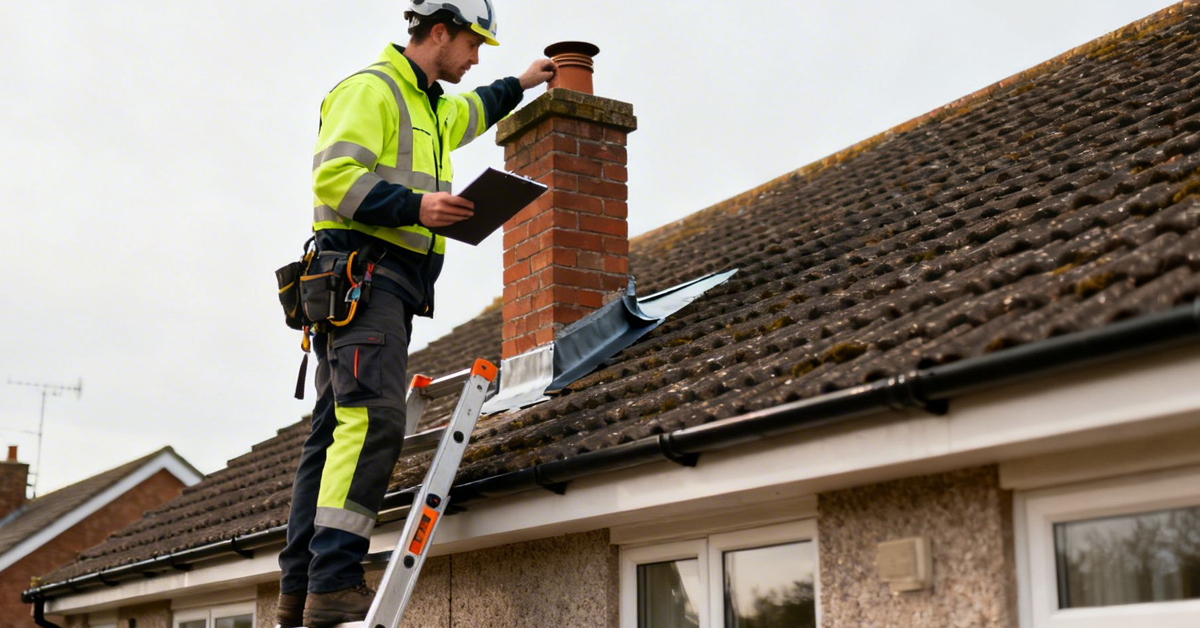
The line between a simple task you can handle from the ground and a widespread issue needing an expert eye can sometimes seem blurry. But certain problems should always be left to trained and insured professionals. This isn’t about admitting defeat; it’s about making the smartest, safest decision for your home.
Some roofing issues carry risks that far outweigh any potential savings from a DIY attempt. If you spot any of the following, your next step should be to pick up the phone and call a certified roofer.
A homeowner in Windsor noticed the flashing around their chimney looked slightly lifted. Instead of attempting a patch-up job, they called for an inspection. The roofer discovered the underlying timber was beginning to rot, a problem that a simple sealant fix would have hidden, leading to a much larger repair bill later on.
A quick fix with a tube of silicone might feel like a victory, but it often does more harm than good. These temporary patches can trap moisture underneath, accelerating rot and decay where you can’t see it. A professional repair addresses the root cause rather than just masking the symptom.
A proper roofer won’t just stick a slipped slate back in place. They’ll find out why it slipped. Are the nail fixings corroded? Are the supporting battens soft or rotten? This diagnostic approach is what separates a short-term fix from a long-term solution.
Calling in a professional doesn’t always mean you’re committing to a huge expense. Often, it’s about getting an honest, expert opinion. Reputable companies will provide a no-obligation inspection that gives you a clear picture of your roof’s health and a transparent quote for any necessary work.
Most UK roofing work is focused on residential repairs and refurbishment. This shows a growing understanding among homeowners that timely, professional maintenance & repair is vital and underscores the importance of relying on skilled tradespeople.
An experienced roofer brings tools and knowledge you simply don’t have, from thermal imaging cameras that detect hidden moisture to the expertise needed to comply with UK building regulations like BS 5534. For a more detailed look at the process, you can learn more about what a free roof inspection actually involves for UK homeowners in our dedicated guide.
Contact All Custom Roofing in Windsor for expert roof repairs across Berkshire. For residents in Windsor, Slough, and across the surrounding areas, the safest and most effective solution is to trust the experts.
We get it, dealing with your roof can feel like a bit of a minefield. To clear things up, our team at All Custom Roofing has put together answers to the most common questions we hear from property owners across Berkshire. These are the practical, real-world concerns that matter most.
For most homes in the UK, getting a professional to have a look every two to three years is a solid rule of thumb. It’s a sensible baseline that keeps you ahead of most problems.
That said, there are always exceptions. If your house is in a spot that gets hammered by high winds, or if your roof is getting on a bit (say, over 20 years old), an annual check-up is a much better idea. It just gives you that extra peace of mind.
And it’s always smart to book an inspection after a major storm. Those gale-force winds can lift tiles or damage flashing in ways you can’t see from the ground, so a quick check can stop a small issue from turning into a major leak.
While we absolutely encourage homeowners to do visual checks from the ground and keep their gutters clear (if it’s safe to do so from a sturdy ladder), most actual repair work is best left to the professionals. Things like replacing tiles, sealing flashing, or any job that involves working at height requires specialist safety gear and a solid understanding of UK building standards, like BS 5534.
Trying a DIY fix isn’t just risky; it can also void your home insurance if something goes wrong. A botched job often ends up costing far more to put right than if you’d just called a pro in the first place.
Flat roofs, which you see on so many extensions and garages around Berkshire, have their own unique set of warning signs. You need to keep a close eye out for these red flags:
It’s a common mistake to think a small blister on a felt roof is just a cosmetic flaw. In our experience, it’s a critical warning that the waterproofing is compromised. A leak is almost certainly on its way if you ignore it.
Honestly, it completely depends on the job. If it’s just a case of replacing a few slipped tiles, a roofer might be done in a couple of hours. But if we’re talking about a more complex job, like cutting out and replacing a section of rotten roof decking or sorting out the flashing around a chimney, that could easily take a full day, sometimes more.
Any decent roofing company will give you a clear, honest estimate of the time needed before they start work. Of course, the British weather can sometimes throw a spanner in the works, but a good team will always keep you in the loop. Whether you need a quick fix or a major project, we provide transparent timelines for all our maintenance & repair work.
For an honest assessment of your roof in Windsor, Reading, Slough, Bracknell, or Maidenhead, you need local experts you can trust. Contact All Custom Roofing today for a no-obligation quote and make sure your property is properly protected. Find out more at https://customroofing.co.uk/.