 (+44) 7900 515 552
16 Oct 2026
 insurance backed guaranteeinsurance backed guarantee
When you think about a new roof, it’s natural to picture the tiles or slates you see from the street. But a proper, lasting roof is so much more than that. It’s a complete system, a series of layers working in harmony to shield your home.
Think of it less like a simple hat and more like a high-performance waterproof jacket. Each layer has a specific job, and together, they keep your property warm, dry, and secure against whatever the unpredictable UK weather decides to throw at it.
When you’re looking at a new roof for your home in Berkshire, it’s tempting to focus only on that top layer. But a piecemeal approach, just swapping out old materials as they fail, is a bit like patching a hole in a leaky bucket. It often misses the underlying problems and just creates new weak points.
True, long-lasting protection comes from installing a complete roof system, where every single component is designed to support the others.
This systematic approach makes sure your home is shielded from top to bottom. It takes everything into account, from the structural support and secondary water barriers right through to insulation and proper ventilation. For homeowners in Windsor, Slough, and the surrounding towns, this means a roof built not just for today, but one that will stand up to decades of rain, wind, and frost.
Investing in a complete system brings several key benefits that a simple re-tiling job just can’t offer:
The demand for durable, reliable roofing is on the rise. In fact, the UK roofing materials market hit over £3 billion in 2024 and is expected to climb even higher by 2030. Traditional concrete and clay tiles are still the top choice for homes across areas like Maidenhead, holding a 38.82% revenue share in 2024 because of their proven durability. This just goes to show how vital it is to choose quality materials as part of a properly planned system.
A complete roof system is your home’s first and most critical line of defence. It’s an investment in the structural integrity of your property, safeguarding your family and your belongings from the elements.
Ultimately, getting your head around the “system” concept is the essential first step for any homeowner planning a major roofing project. For expert advice on the best materials for your property, have a look at our guide to choosing the right roofing material for your home.
Ready to talk specifics? Contact All Custom Roofing in Windsor for a professional assessment and a transparent quote on a complete roof system built to last.
A complete roof system is so much more than the tiles you see from the street. Think of it as a multi-layered shield, meticulously engineered to protect your home from everything the demanding UK weather can throw at it. Every single component has a specific job, and it’s only when they all work in harmony that you get durable, long-lasting protection.
To really get why this ‘system’ approach is so vital, it helps to break down what each layer actually does. It’s a bit like building a defensive wall, every brick and bit of mortar adds to the overall strength. If you take one piece away, you compromise the whole structure.
This diagram gives a great overview of the essential hierarchy, showing how the primary layers stack up to keep your home safe and dry.

As you can see, the visible tiles are just the start of the story. Below them, the underlayment and deck provide critical secondary defences and structural support that are absolutely essential.
The whole process starts with the roof deck, sometimes called sheathing. This is the structural backbone of your entire roof, usually made from timber boards or plywood sheets laid across the roof trusses. Its primary job is to create a solid, stable surface for every other layer to be attached to.
The roof deck is the unsung hero of your system. It needs to be strong enough to hold the weight of all the materials, plus any extra loads like a heavy snowfall or a roofer carrying out maintenance. Without a solid deck, the rest of the system is compromised before you even begin.
Next up is the underlayment, a water-resistant or waterproof membrane that’s laid directly over the roof deck. In years gone by, this was often a simple bituminous felt, but modern systems use advanced breathable membranes that perform far better. This layer is your roof’s crucial second line of defence.
Imagine a gale-force wind lifts a tile, or a slate cracks under the pressure of a harsh Berkshire frost. The underlayment is what stops the rain from getting to your timber structure and into your loft. It’s an absolutely critical barrier against moisture, protecting your home from the nightmare of rot, damp, and mould.
A high-quality underlayment isn’t just an optional extra; it’s non-negotiable in a complete roof system. It’s the hidden safeguard that gives you peace of mind, knowing that even if the outer layer is breached, your home stays dry and secure.
One of the most important, and most overlooked, components is ventilation. This isn’t a single layer, but a clever system of vents designed to let your roof space “breathe.” It works by drawing cool, fresh air in through vents near the eaves and pushing warm, moist air out through vents near the ridge.
This constant airflow is vital for preventing condensation, which is a major enemy of your roof’s timber structure. In winter, warm air rising from inside your house hits the cold underside of the roof deck and can condense, leading to damp and rot over time. You can learn more about why this is so important in our detailed guide on the role of proper ventilation in roofing systems.
Flashing refers to the thin pieces of metal, usually lead or zinc, that are installed to direct water away from the most vulnerable points of your roof. You’ll find it anywhere the roof surface is interrupted by another feature.
Key areas that need properly detailed flashing include:
Without correctly installed flashing, these spots would be prime entry points for water, causing serious damage. This is where the attention to detail really separates a professional installation from a quick fix.
Finally, we get to the parts you see every day: the outer covering (your tiles or slates) and the drainage system (gutters and downpipes). The covering is your primary shield against rain, wind, and sun, chosen for both its durability and its aesthetic appeal.
The gutters and downpipes then do the crucial job of collecting all the rainwater that runs off this surface, channelling it safely away from your home’s foundations. A well-maintained drainage system is absolutely essential to stop water from overflowing and causing damp problems on your walls.
Not all roofs are created equal. For homeowners across Berkshire and the surrounding counties, picking the right complete roof system is a huge decision, affecting everything from your home’s kerb appeal to its long-term defence against the weather.
It’s all about striking the right balance between looks and performance. A sleek, modern flat roof might be the perfect fit for a new extension in Bracknell, while the timeless character of natural slate is often a must-have for a period property in historic Windsor. Thinking through these options is the key to finding a roof that not only looks the part but will stand up to the unpredictable UK climate for years to come.

At the heart of your decision is the choice between a pitched and a flat roof. Each style comes with its own set of distinct advantages and is suited to different types of buildings and architectural tastes.
Pitched roofs are the classic choice for most UK homes, easily recognised by their sloping sides that meet at a central ridge. This iconic shape isn’t just for show; it’s incredibly effective at shedding rainwater, making it a natural fit for our climate. Plus, it often creates the potential for extra living space with a loft conversion.
Flat roofs, on the other hand, bring a modern, minimalist aesthetic and are a popular choice for extensions, garages, and commercial buildings. While they look flat, they actually have a very slight, almost unnoticeable slope (known as a ‘fall’) to guide water away. Thanks to big advances in materials, today’s flat roofs are more durable and reliable than ever.
To help you weigh up the pros and cons, here’s a quick side-by-side look at the two main types of complete roof systems.
| Feature | Pitched Roof System | Flat Roof System |
|---|---|---|
| Aesthetics | Classic, traditional look with a wide choice of tile or slate finishes. | Modern, minimalist appearance, often used for contemporary architecture. |
| Water Drainage | Excellent natural water shedding due to the steep slope. | Relies on a slight fall and membranes to manage water drainage. |
| Usable Space | Creates potential for loft conversions or additional attic storage. | Can be used for roof terraces, green roofs, or housing for air conditioning units. |
| Cost | Generally more complex and expensive to install initially. | Often more cost-effective for smaller areas like extensions and garages. |
| Maintenance | Tiles or slates can be individually replaced if damaged. | Requires regular inspections to ensure membranes and seals remain intact. |
This table gives you a great starting point, but if you want to dive deeper, you can read our detailed guide on flat roof vs pitched roof options.
Once you’ve landed on the style, the next step is picking the material for the outer layer. This decision will come down to your budget, the look you’re going for, and any local planning rules, which can be particularly strict in conservation areas around towns like Maidenhead.
For pitched roofs, the go-to options in the UK include:
For flat roofs, modern high-performance systems have left old-fashioned felt far behind:
Every material choice should be made with UK weather in mind. Your roof needs to withstand everything from driving rain and high winds to freezing frost, so selecting a proven, high-quality material is an investment in your home’s future.
Finally, it’s vital to remember that any new roof installation in the UK must comply with specific building regulations. One of the most important is BS 5534, the British Standard for slating and tiling. This code of practice lays out the minimum requirements for fixing roof tiles and slates securely, ensuring they can stand up to wind uplift forces.
A professional roofing company like All Custom Roofing will guarantee your complete roof system is installed in full accordance with BS 5534 and all other relevant regulations. This gives you total peace of mind that your new roof isn’t just beautiful but also safe, secure, and fully compliant. For expert guidance on the right system for your home in Windsor, Reading, or Slough, our team is here to help.
Getting a new roof is a big job, but it doesn’t have to be a stressful one. When you understand the journey from our first handshake to the final sign-off, it demystifies the whole process and helps you feel confident in your investment. A professional, family-run team like ours works to a clear, methodical plan to ensure your new complete roof system is installed smoothly, safely, and with as little disruption to your daily life as possible.
The entire project is a carefully coordinated sequence of steps. Each one builds on the last to create a flawless, weatherproof barrier for your home. It’s a process we’ve fine-tuned over years of serving homeowners across Berkshire.
It all starts with a conversation. We’ll visit your property, whether you’re in Windsor, Reading, or a nearby town, to carry out a thorough inspection of your existing roof. This visit lets us understand exactly what you need, talk through the different material options, and spot any potential challenges early on.
After that, you’ll receive a detailed, transparent quote. We break everything down, from labour and materials to scaffolding and waste disposal. We believe in honest pricing with no hidden surprises, so you know exactly what to expect from day one.
Before a single tile comes off, our priority is preparing the site and ensuring everyone’s safety. This means putting up secure, fully compliant scaffolding to give our team safe access and to protect your property below. We also make sure to shield your windows, garden, and driveway from any debris.
This meticulous setup is key to an efficient project and a tidy, well-organised worksite. It’s all about keeping your home and our team safe.
A professional roofing project is defined by its attention to detail from the very beginning. Proper site preparation and strict safety measures are the hallmarks of a contractor who respects your home and is committed to quality workmanship.
Once the site is secure, we begin carefully stripping the old roofing materials. This isn’t just about getting rid of old tiles; it’s a crucial opportunity to inspect the hidden structure of your roof.
We meticulously check the roof deck, trusses, and battens for any signs of rot, damp, or damage that might have been out of sight. If we find anything that needs attention, we’ll discuss the necessary repairs with you immediately. This step guarantees that your new complete roof system is built on a solid and secure foundation.
Think of it as a health check for your roof’s skeleton, absolutely vital for its long-term health.
With the structure confirmed as sound, we start building your new roof system, one methodical layer at a time. This process includes:
This systematic approach ensures every single component works together perfectly, just as it should.
Once the installation is complete, we don’t just pack up and leave. We conduct a final, thorough inspection of the entire roof to ensure every last detail meets our high standards. We then dismantle the scaffolding and carry out a comprehensive clean-up of your property, leaving it just as we found it.
With workloads for UK contractors showing 36% reporting increases in spring 2025, the market remains active. This trend favours reliable, family-run firms who pride themselves on transparent processes and an immaculate finish. You can learn more by reading the current state of the roofing industry in the NFRC’s latest report.
It’s easy to look at a new roof as just another big expense, but that’s a common mistake. A better way to think about it is as a smart, long-term investment in your property’s safety, value, and even its energy efficiency. Yes, the initial cost for a complete roof system is significant, but when you understand what goes into that price, you can build a realistic budget and truly appreciate the value it delivers over its lifetime.
For homeowners across Berkshire, the final price tag is shaped by a unique mix of local factors. A sprawling detached home in Maidenhead will naturally have a different cost profile to a cosy terraced house in Slough. The real key is to see beyond the numbers and recognise how a professionally installed roof protects your biggest asset for decades to come.
The quote you receive for a new roof isn’t just a random figure; it’s a careful calculation based on several important variables. Getting to grips with what these are empowers you to have a much more informed conversation with your roofing contractor.
Three main things will determine the overall cost of your project:
A new roof isn’t a quick fix; it’s an investment that should last for generations. Its true value shines through in its longevity and the unwavering protection it provides year after year.
A professionally installed complete roof system is one of the best ways to boost your property’s kerb appeal and resale value. It sends a clear signal to potential buyers that the home is well-maintained and secure, making it a powerful selling point.
Different systems offer different lifespans. For instance, a professionally installed pitched roof using quality tiles can easily be expected to last 40 to 60 years with the right care. This incredible durability means your initial investment pays for itself many times over simply by preventing costly repairs from water damage and damp. In a market where the UK roofing industry is valued at a massive £7.2 billion, investing in quality really does pay dividends.
We get it. A full roof replacement is a major financial commitment. That’s why we believe in offering flexible options to help homeowners in Windsor, Bracknell, and across the region make this essential upgrade feel manageable.
To make investing in a secure, high-quality roof more accessible, All Custom Roofing offers finance options through Phoenix Financial Consultants, who are regulated by the FCA. This allows you to spread the cost over an agreed period, making it much easier to fit into your household budget without ever compromising on the quality of materials or workmanship.
This approach means you don’t have to put off essential work. You can protect your home now while managing the payments comfortably. If you’re ready to invest in the long-term health of your property, get in touch with All Custom Roofing. We provide transparent quotes and expert advice for homes all across Berkshire.
Choosing a complete roof system is one of the biggest calls a property owner has to make. We’ve walked through why thinking of your roof as a single, integrated system, where every piece works in harmony, is absolutely vital for long-term protection against our unpredictable UK weather. It’s a true investment in your property’s future, and picking the right team to bring it all together is just as crucial.
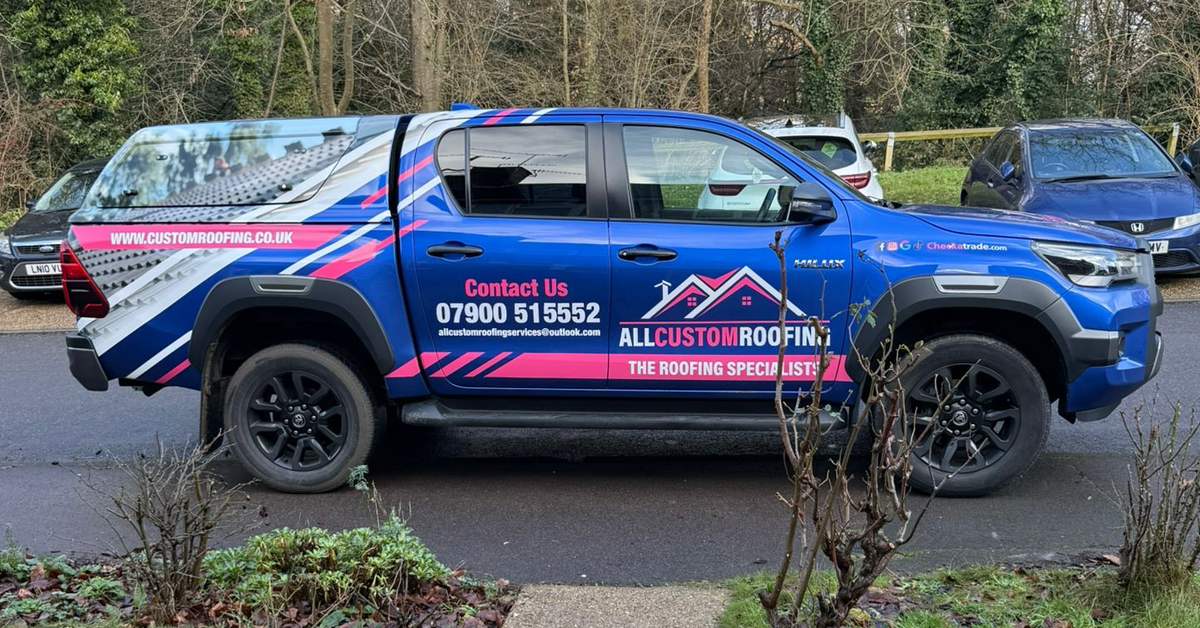
As a family-run business that’s been dedicated to 5-star service since 2008, All Custom Roofing brings that specialist expertise right to your doorstep. We get the unique challenges properties in Berkshire face, from relentless driving rain to sharp, biting frosts. Our entire focus is on delivering top-tier workmanship with a friendly, customer-first attitude.
We’re proud to serve homeowners, landlords, and businesses right across the area. Our commitment to honest pricing and professional, no-shortcuts installation means you can trust us to protect your property with a roof that’s genuinely built to last.
Our main service areas include:
We match quality materials with years of hands-on experience, making sure every single project, whether it’s big or small, meets our own exacting standards.
Choosing a local, family-run business means choosing accountability. We live and work in the same communities as our customers, and our reputation is built on delivering reliable, long-lasting results every single time. We are not just contractors; we are your neighbours.
Whether you’re planning a full roof replacement, need a specialist flat roof system for a new extension, or just want to schedule some routine maintenance, our team is here to help. We believe in clear, straightforward communication from the first phone call right through to the final inspection, ensuring you feel informed and confident every step of the way.
If you’re ready to start thinking about your project, have a look at our gallery for a bit of inspiration from our recent work across the region. You’ll see the quality and attention to detail we bring to every job.
Protecting your property starts with a solid, dependable roof. Contact All Custom Roofing in Windsor today for a no-obligation consultation. Our friendly team is ready to offer expert advice and a clear, transparent quote for your home or business in Berkshire and the surrounding towns. We cover Windsor, Reading, Slough, Bracknell, Maidenhead, and surrounding towns.
Deciding to invest in a new roof is a huge step, so it’s completely natural to have a few questions buzzing around your head. To help homeowners across Berkshire and surrounding areas feel confident about planning their project, we’ve put together some straightforward answers to the queries we hear the most.
For a standard semi-detached or terraced house here in Berkshire, a complete roof replacement typically takes between 3 and 7 days.
Of course, this can shift a bit. The British weather plays a part, as does the size and complexity of your roof. Sometimes, when we strip back the old materials, we might find some structural repairs are needed for the roof deck. We’ll always give you a clear, detailed timeline before we pick up a single tool.
Absolutely. In nearly every case, you and your family can stay put comfortably while we work.
There will be some noise during the day, that’s just part of the job, but our professional team works efficiently and makes sure to tidy the site at the end of each day to keep disruption to a minimum. Our aim is to make the whole process as smooth and painless for you as possible.
A professional roofing project should be planned around your life, not the other way around. While the work itself is intense, it shouldn’t force you out of your home. Clear communication and a tidy work ethic are the keys to a stress-free installation.
While we can get the job done any time of year, the spring and summer months are often preferred because the weather is a bit more on our side.
That said, a skilled team can safely and effectively install a new roof in autumn or winter, we just have to work around the UK’s famously changeable conditions. The most important thing is to tackle roofing problems as soon as they appear, no matter the season, to stop them from getting worse.
This is a classic question, and a very good one. A few missing tiles or a small, single leak can often be sorted out with a simple repair. It’s a quick fix for a localised problem.
However, if your roof is getting on a bit, say over 20-25 years old, or you’re seeing widespread issues like cracked or curling tiles, it’s probably time for a replacement. Persistent leaks are another big red flag. In these cases, a full replacement is often the more secure and cost-effective solution for the long haul. You might also have questions about what you can do in the meantime, such as learning how to stop roof leaks. A professional inspection from our team will give you a definitive answer tailored to your property.
If you’ve got more questions or you’re ready to chat about your project, get in touch with the team at All Custom Roofing. We provide expert advice and transparent quotes for homeowners across Windsor, Reading, Slough, and the surrounding towns. Let us help you protect your home with a roof built to last. https://customroofing.co.uk/