 (+44) 7900 515 552
16 Oct 2026
 insurance backed guaranteeinsurance backed guarantee
Ignoring your commercial roof is not just a risk; it is a guaranteed future expense. Think of proactive commercial roofing maintenance not as a cost, but as a critical investment in your property’s value, safety, and operational continuity, especially with the UK’s famously unpredictable weather. A scheduled plan is your best defence against minor issues spiralling into catastrophic failures.
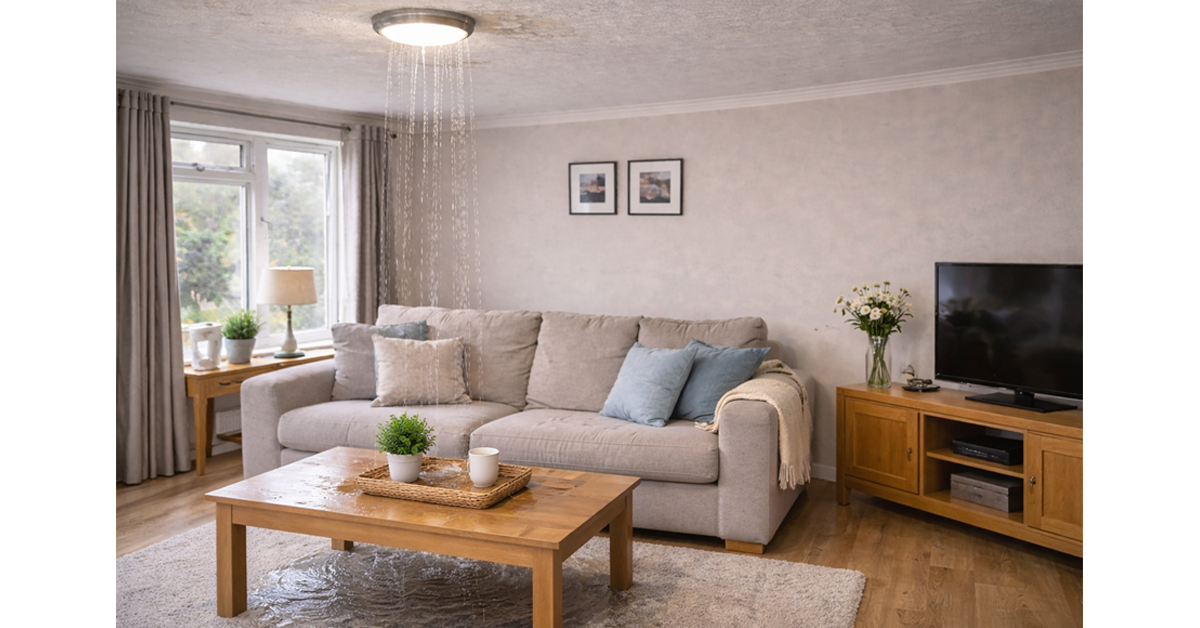
For most business owners and property managers in Berkshire, the roof is an out of sight, out of mind asset. That is, until water starts dripping onto the stockroom floor. By then, the real damage is already done. Neglecting routine upkeep does not save you money; it just defers a much larger, more disruptive expense down the line.
A small, undetected leak, made worse by persistent British rain and frost, can quietly saturate insulation, compromise structural timbers, and lead to serious operational downtime. Just imagine a retail space in Reading or a warehouse in Slough having to close its doors for days due to water damage. The cost of lost revenue and emergency repairs will always far exceed the modest price of a scheduled maintenance visit.
Believe it or not, most major roof failures start small. A gutter blocked with autumn leaves seems harmless, but it can cause water to back up and seep under the roofing membrane. A single cracked sealant around a vent, a seemingly trivial flaw, creates a direct path for water to get in. Over time, these small breaches lead to big problems:
Reactive, emergency repairs are becoming more expensive due to rising material and labour costs across the UK. This trend means that businesses in Berkshire must prioritise proactive care to avoid being caught out by sudden failures and inflated repair bills.
A well-maintained roof shows diligent property management. It reflects a commitment to protecting the building’s structural integrity and the business operations within it. A proactive approach is the single most effective way to control long-term roofing expenditures.
For businesses across Windsor, Maidenhead, and Bracknell, a regular maintenance plan is your first and best line of defence. It completely shifts the focus from costly, reactive repairs to affordable, preventative care. To get a handle on how to protect your investment, understanding the commercial roof maintenance essentials is crucial. This strategy not only extends the life of your roof but also provides budgetary certainty, helping you avoid the financial shock of an unexpected roof replacement.
Protect your commercial asset before a small problem becomes a large liability. Contact All Custom Roofing in Windsor for an expert assessment of your property’s needs across Berkshire and the surrounding towns.
Keeping on top of your commercial roofing starts with one simple thing: looking at it. You do not need to be a roofer to spot the early signs of trouble. In fact, a quick walk around your property after a heavy downpour or a particularly windy day can tell you a lot, often catching small issues before they spiral into costly emergencies.
This checklist is designed for property managers and business owners across the UK. It is all about what you can safely spot from the ground and knowing the difference between a minor job and a red flag that needs our immediate attention.

Your first check should always be visual and from a safe distance. Do a full lap of your building and keep your eyes peeled for these common culprits. Think of it as a quick health check for your building’s most critical shield.
If you have solar panels installed, it is a good idea to add a specific solar panel maintenance checklist to your routine, as their performance is directly tied to their condition.
A walk-around inspection is a fantastic first line of defence, but it is not the whole story. Let us be clear: getting up on a commercial roof without proper training and safety equipment is incredibly dangerous. It is just not worth the risk. Our professional roofers are trained to work at height and follow strict UK safety protocols for a reason.
A visual check from the ground can identify around 40% of potential roofing issues. The remaining 60%, often the more serious problems like membrane degradation or hidden leaks, are only detectable through a hands on, professional inspection.
Think about it this way: a property manager at an industrial unit in Slough might easily spot a blocked downpipe from the car park. That is a great catch. What they cannot see is the split seam in the felt membrane just behind the parapet wall, which is the real source of that damp patch spreading across the storeroom ceiling.
When a trained professional from All Custom Roofing gets on your roof, they bring years of experience with UK-specific materials like felt, EPDM, and metal sheeting. Our inspections are far more than just a quick look.
Here is what a proper maintenance visit involves:
For a deep dive into what a comprehensive assessment covers, our guide on a professional flat roof inspection is a must-read. It is the only way to get a complete picture of your property’s health.
For expert commercial roofing maintenance in Windsor, Reading, Maidenhead, or anywhere across Berkshire, give All Custom Roofing a call. We provide the professional oversight needed to protect your investment.
Every commercial building, from a busy warehouse in Slough to a historic office in Windsor, will eventually run into roofing issues. The UK’s climate is relentless, as cycles of rain, frost, and wind put constant pressure on roofing materials. Good commercial roofing maintenance is not about stopping problems from ever happening; it is about catching them early and getting them fixed professionally before they turn into a major headache for your business.
Understanding what is actually causing the problem is the only way to find a lasting repair. A quick patch might stop a leak for a few weeks, but it does nothing to address the underlying failure that let the water in to begin with. Here is a look at the most frequent issues our team comes across in Berkshire and how we solve them properly.
One of the most destructive problems on a flat roof is ponding water. These are the stubborn puddles that hang around for more than 48 hours after the rain has stopped. A bit of standing water might not look like a big deal, but it is a huge red flag.
The constant weight adds a massive strain to the building’s structure, and the water slowly eats away at the roofing membrane, speeding up wear and tear. Imagine a flat roof on a retail unit in Maidenhead with poor drainage; it could be holding hundreds of litres of water. This not only breaks down felt or EPDM membranes but also creates the perfect damp environment for moss and algae to take hold.
The fix is rarely a simple patch job. A professional has to figure out the root cause. Is it a blocked drain? Not enough slope? Structural sagging? We can install tapered insulation to improve the roof’s fall, add new drainage points, or clear out and repair the existing system to get water moving again.
Ever noticed bubbles or blisters forming on a flat roof? This happens when pockets of air or moisture get trapped between the layers of the roofing membrane, or between the membrane and the roof deck. When the sun beats down, the trapped air or water vapour expands, forcing the membrane up and creating a blister.
A single small blister is not an immediate catastrophe, but it is a definite weak spot. If someone steps on it or it gets punctured by debris, you have got an instant leak. If you ignore it, more blisters can appear and compromise huge sections of the roof, leaving a full replacement as the only real solution. That is why we always look for blistering during our maintenance checks.
Fixing it involves carefully cutting the blister open to release the trapped air or moisture, then meticulously sealing the area with the right materials and adhesives to create a permanent, watertight repair.
Flashing is the material, usually metal or a membrane, that seals the edges of a roof. You will find it where the roof meets a wall, a chimney, or around skylights and vents. It is absolutely essential for keeping water out, but it is also one of the first things to fail.
Over time, constant exposure to the elements causes flashing to break down. Sealants dry out and crack, high winds can lift metal sections, or even slight ground movement can cause it to pull away from the wall. This creates a direct route for rainwater to get under your roofing system and into the building itself. Our guide to common roofing problems and how to fix them goes into more detail on these weak points.
The damp, overcast weather we get so much of in the UK is the perfect breeding ground for moss, algae, and lichens. This is far more than just a cosmetic problem.
The UK roofing materials market generated £3.92 million in 2025, showing a clear demand for durable materials built to withstand these conditions. While many businesses are opting for low-maintenance metal roofing, preventative care for existing roofs is more important than ever.
The right way to deal with this is to carefully remove the growth without damaging the roof surface, then follow up with a biocide treatment to stop it from coming straight back.
For an expert diagnosis and lasting solutions to these and other commercial roofing problems across Windsor, Reading, and Berkshire, get in touch with All Custom Roofing for a no-obligation consultation.
Not all commercial roofs are built the same, and their maintenance needs can be worlds apart. In the UK, you will mostly find either flat or pitched roofs, and each has its own weak spots, especially with our notoriously damp and windy weather. Getting your head around these differences is the key to effective commercial roofing maintenance and protecting your property.
Think about it: a modern flat roof on a Slough warehouse needs a completely different inspection checklist than a traditional pitched slate roof on a historic Windsor building. This kind of specialised care is what stops minor, roof-specific issues from snowballing into major structural headaches.
You see flat roofs everywhere on commercial properties; they are practical and cost-effective. The big drawback, however, is their low slope, which makes them prime targets for certain problems if they are not looked after. The main enemy here is standing water, which will wear down any roofing material faster than anything else.
When we are up on a flat roof, our eyes are peeled for a few key things:
Pitched roofs are great at shedding water, but they have their own unique maintenance checklist. Their complexity, with all those tiles, valleys, and ridges, means there are multiple places where things can go wrong, especially after a spell of high winds or heavy rain.
For pitched commercial roofs, our maintenance checks zero in on:
This chart breaks down some of the most common issues we find across both UK roof types.

You can see how seemingly separate issues, like ponding water and damaged flashing, can all lead to the same outcome: significant water damage if you do not get on top of them.
Whether your property has a flat or pitched roof, the goal of maintenance is the same: to catch small, predictable problems before they become large, expensive emergencies. A proactive approach tailored to your roof type is the most effective strategy.
Understanding what your specific roof needs is the first step in protecting your investment. If you manage a commercial property in Windsor, Reading, Bracknell, or Maidenhead, get in touch with All Custom Roofing for a specialised maintenance plan that targets your roof’s unique vulnerabilities.
Figuring out the costs of commercial roofing maintenance is just smart property management. Setting a budget is not just about putting money aside; it is a strategic move that shields your Berkshire business from the shock of massive, unexpected repair bills and the chaos of operational downtime.
The choice is pretty simple, really. You either go down the path of predictable, planned upkeep, or you wait for a costly, frantic emergency call out. It helps to reframe your thinking: maintenance is not a cost, it is an investment. A well-managed plan stops minor, cheap to fix issues from snowballing into a full-blown roof replacement.
When you ask for a quote, any reputable roofer will tell you that several things determine the cost of a professional maintenance plan. Here is what we look at to give you an accurate estimate.
The core idea behind budgeting for maintenance is straightforward: you pay a small, manageable amount now to avoid a huge, unpredictable one later. It is the difference between you controlling your expenses, or a sudden roof failure controlling your business.
Putting off maintenance right now is a false economy, especially with the rising costs of labour and materials in the UK construction industry. Investing in planned upkeep will always be more cost effective than dealing with the expense and disruption of an emergency.
The financial gap between proactive and reactive roofing care is massive. A scheduled maintenance plan with All Custom Roofing gives you certainty. You know what you are paying and when, which lets you plan your finances without any nasty surprises. This predictable cost covers everything from thorough inspections and gutter clearing to minor sealant repairs, all of which extend your roof’s lifespan.
An emergency call out, on the other hand, is a completely different financial ball game. You are not just paying for the fix; you are paying a premium for the urgent response. Labour costs are higher, and that is before you even start to tally up the damage from the leak to your stock, equipment, and the building’s interior. For a deeper dive into how different factors affect roofing expenses, have a read of our article on understanding what influences new roof costs.
By budgeting for regular maintenance, you are buying peace of mind and financial stability. If you would like a transparent, no-obligation quote tailored to your property in Windsor, Slough, Maidenhead, or the surrounding areas, get in touch with the All Custom Roofing team. We can help you build a cost-effective plan to protect your commercial asset for years to come.
When it comes to protecting a commercial property, you need more than just a contractor; you need a local partner who genuinely understands the challenges posed by the UK climate. For businesses in Berkshire and the surrounding areas, finding the right team for commercial roofing maintenance is about trust, proven expertise, and an unwavering commitment to quality. That is where we come in.
All Custom Roofing is a family-run business that has been proudly serving our community since 2008. Our reputation in areas like Windsor, Reading, and Slough is built on treating every roof with the same care and attention we would give our own.
Being based in Windsor for so long means we have an intimate knowledge of the roofing systems and common weather-related issues that affect properties in Bracknell and Maidenhead. We have built our stellar 5-star reputation by delivering solutions that last, not just quick fixes. We believe in keeping you in the loop with honest, open communication, from the first inspection right through to the final sign off.
Choosing a local, family-run business gives you more than just a service. You get a dedicated partner who is genuinely invested in the long-term protection of your property. It is about the peace of mind that comes from knowing you are in capable, experienced hands.
Let us show you the difference that dedicated, local expertise makes. For a no-obligation chat about your maintenance needs, get in touch with our Windsor-based team today. We are here to provide the lasting solutions your commercial property deserves. We cover Windsor, Reading, Slough, Bracknell, Maidenhead, and surrounding towns.
If you are a property manager, you have likely got a few questions about keeping your commercial roof in top shape. To help you make the right calls for your building, we have put together answers to some of the queries we hear most often from businesses across Berkshire.
For most commercial properties here in the UK, we strongly recommend getting a professional inspection twice a year. This is not just a random number; it is a schedule designed to get ahead of the challenges our distinct seasons throw at us.
An autumn check-up is perfect for clearing out gutters choked with leaves and debris, making sure your drainage system is ready for the heavy winter rain and potential snow. Then, a follow-up inspection in the spring lets us spot and fix any damage caused by frost, ice, or storms before the warmer weather turns small issues into big problems. If your building has an older roof or is surrounded by tall trees, you might even consider more frequent checks.
Some problems simply cannot wait. Spotting the early warning signs of a failing flat roof can save you from disruptive and costly water damage. If you notice any of these red flags at your Berkshire property, it is time to act fast.
The biggest giveaway is ponding water. If you see water still sitting on your roof 48 hours after it has stopped raining, you have a serious drainage problem. That standing water is incredibly heavy, putting immense strain on your building’s structure and rapidly breaking down the roofing membrane.
Keep an eye out for other urgent signs, too, like visible cracks, tears, or blisters in the roofing material. Inside, look up. Damp patches, discoloured spots, or peeling paint on your ceilings are a dead giveaway that you have an active leak.
It might seem harmless, but a small patch of moss can escalate into a surprisingly serious issue if you ignore it. Think of moss as a sponge, as it holds moisture right up against your roof’s surface, day in and day out.
This constant dampness speeds up the wear and tear on roofing materials, especially during the UK’s freeze-thaw cycles. When that trapped water freezes and expands, it can force tiles apart or split seams. Moss also has a habit of breaking off and clogging gutters, which leads to overflows and water ingress where you least expect it.
Our standard maintenance plan at All Custom Roofing is all about being proactive. It is designed to protect your investment and prevent small issues from becoming major headaches.
When we come out, we conduct a full, at height inspection of the entire roof surface, paying close attention to seams, flashing, and other weak points. We will also give your gutters, outlets, and drainage channels a thorough clean out.
The service includes minor sealant repairs on the spot. Afterwards, you will receive a detailed report with photos showing your roof’s exact condition, along with clear, professional recommendations for any larger repairs we might have found.
Yes, in many cases. A lot of commercial roofing warranties are conditional on the roof being properly maintained, and skipping scheduled inspections can be enough to invalidate the cover if a claim is ever made. Some commercial buildings insurance policies take a similar view, particularly where a claim follows a problem that a routine inspection would likely have caught. It is always worth checking the specific terms of your own warranty and policy, but keeping a record of regular, professional inspections is good practice either way.
Protecting your commercial property is our top priority. For a detailed chat about a maintenance plan tailored to your building in Windsor, Reading, Slough, or the surrounding towns, get in touch with All Custom Roofing today.
Find out more at https://customroofing.co.uk/.
If a full re-roof ever becomes the better option rather than ongoing upkeep, our guide to commercial roofing installations covers what a proper new install for a UK business involves. And if you are dealing with a leak or storm damage right now rather than routine maintenance, see our advice on fixing industrial roof leaks and damage.