 (+44) 7900 515 552
23 Oct 2026
 insurance backed guaranteeinsurance backed guarantee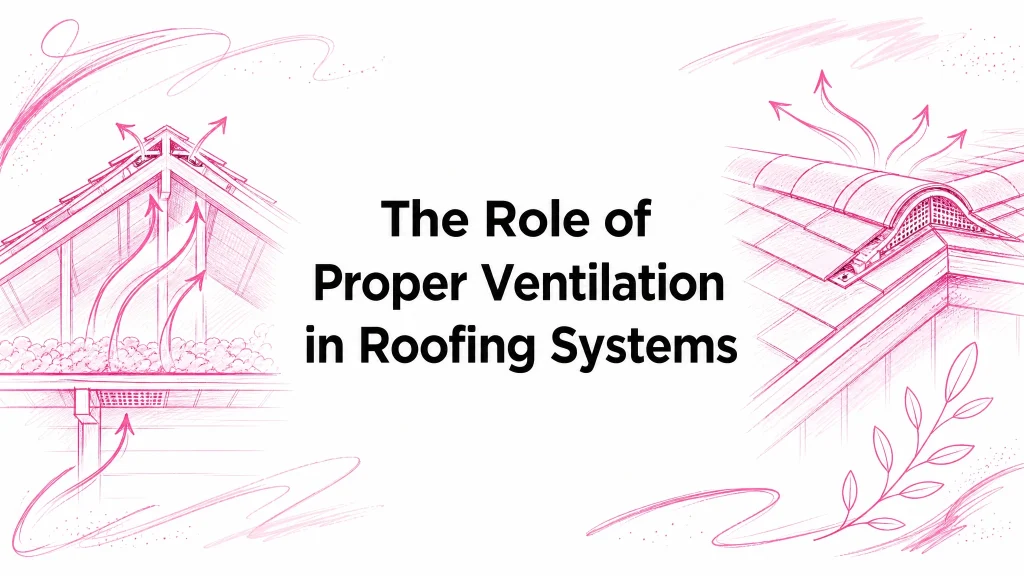
Proper ventilation in roofing systems is a crucial yet often overlooked aspect of home and building maintenance. A well-ventilated roof ensures that air circulates efficiently through the attic, preventing a buildup of heat and moisture that can cause significant damage over time. Without effective ventilation, your roofing materials may deteriorate faster, your energy bills may increase, and you may even face problems like mould growth and ice dams.
At All Custom Roofing, we specialise in designing and installing high-performance ventilation solutions that protect homes and commercial properties from these issues. Whether you’re installing a new roof or upgrading your current system, ensuring proper ventilation should be a top priority.
Roof ventilation is a fundamental part of maintaining a durable, energy-efficient, and structurally sound roofing system. It relies on the principle of air circulation – fresh air enters while stale, moisture-laden air exits – which keeps the attic and roof in optimal condition.
Without proper airflow, attics can become hot, damp, and prone to mould growth, leading to costly repairs and reduced indoor comfort.
The key to a high-functioning roofing ventilation system is to create a balanced airflow between intake vents (fresh air entry) and exhaust vents (air exit).
This balance ensures that the attic remains cooler in summer, free from condensation in winter, and resistant to long-term structural damage.
To achieve proper ventilation, a two-part system is necessary:
Intake vents are responsible for bringing in cool, fresh air from the outside. This process prevents negative pressure in the attic, allowing for efficient circulation of air.
Exhaust vents are responsible for expelling hot, humid air that accumulates in the attic. Without exhaust vents, rising heat has no escape route, leading to higher indoor temperatures, shingle damage, and potential roof system failure.
Heat will become trapped in the attic, making the home warmer and less energy-efficient in the summer.
Moisture from daily household activities (cooking, bathing, laundry) can accumulate in the attic, leading to condensation issues and mould growth.
Shingles and roofing materials may wear out faster due to prolonged exposure to excessive heat and humidity.
For roofing ventilation to function optimally, there must be a balanced ratio of intake and exhaust vents.
A system that is unbalanced – either lacking proper intake or exhaust – will not work effectively and can create additional problems rather than solving them.
Proper ventilation in roofing systems is essential for maintaining a durable, energy-efficient, and moisture-free home. Without it, roofing materials degrade quickly, energy costs rise, and indoor comfort declines.
At All Custom Roofing, we specialise in expert roofing ventilation solutions tailored to your home’s specific needs. Whether you’re installing a new roof, upgrading an old system, or addressing ventilation issues, our team has the knowledge and experience to deliver exceptional results.
A well-designed ventilation system in roofing is crucial for protecting both the structure of your home and the comfort of those living inside. Proper airflow in the attic and roof cavity helps regulate temperature, prevent moisture buildup, and extend the longevity of roofing materials.
Without adequate ventilation, heat, condensation, and ice dams can lead to expensive repairs, decreased energy efficiency, and potential health risks due to mould growth. Below, we explore why a properly ventilated roofing system is a necessity rather than an option.
One of the biggest threats to a poorly ventilated roofing system is moisture accumulation. Warm air from everyday activities like cooking, showering, and laundry rises into the attic. If this moisture-laden air has no escape route, it condenses when it comes into contact with cooler surfaces, such as wooden beams, insulation, and metal fasteners. Over time, this leads to dampness, rot, and mould growth.
Mould not only compromises indoor air quality – posing potential health risks such as respiratory issues, allergies, and asthma – but also weakens the structural integrity of the roof. Wooden components can warp, weaken, or decay, resulting in costly repairs. Proper ventilation ensures that excess moisture is expelled efficiently, keeping your roof and attic dry and free from fungal infestations.
A well-ventilated roof lasts years longer than one that lacks proper airflow. Extreme heat buildup in the summer and fluctuating temperatures in the winter accelerate wear and tear on roofing materials. When shingles are exposed to prolonged high temperatures, they can curl, crack, or deteriorate prematurely. Similarly, when moisture gets trapped in an attic during colder months, wooden structures and roof decking absorb the dampness, leading to rotting, softening, and potential structural failure.
Additionally, metal components such as nails, flashing, and fasteners can develop rust when exposed to excessive humidity, weakening their hold and causing potential leaks. By installing a balanced roof ventilation system, you create an environment where heat and moisture levels remain consistent, reducing the need for frequent repairs or an early roof replacement.
Energy costs can soar when a roof lack sufficient ventilation. In the summer, a poorly ventilated attic traps heat, causing temperatures to skyrocket inside the home. As a result, your air conditioning system works overtime, leading to higher electricity bills and increased strain on HVAC equipment. A properly ventilated attic allows excess heat to escape, preventing your home from turning into an oven during hot weather.
During winter, trapped moisture can dampen insulation, reducing its effectiveness and making it harder to retain indoor warmth. This forces heating systems to consume more energy, driving up costs. An effective roof ventilation system regulates temperature year-round, reducing heat buildup in summer and moisture retention in winter, resulting in consistent energy efficiency and lower utility bills.
For homeowners in colder climates, ice dams are a serious concern. These dangerous buildups occur when heat from the attic melts snow on the roof, which then refreezes along the edges, forming a barrier that prevents proper water drainage.
As more snow melts, the water has nowhere to go, seeping under shingles and into the structure, causing leaks, water damage, and interior mould growth.
Poor ventilation contributes to this problem by allowing warm air to collect under the roof, accelerating the melting process. A properly ventilated roof keeps attic temperatures consistent, ensuring snow melts evenly and drains properly, preventing the conditions that lead to ice dam formation. This not only protects the roof but also prevents costly interior repairs caused by water infiltration.
A well-ventilated roofing system greatly enhances indoor comfort, making a home more enjoyable to live in throughout the year. Without proper ventilation, rooms directly beneath the attic often experience temperature fluctuations, becoming stuffy, humid, or overly warm in summer and drafty and cold in winter.
Ventilation creates a stable indoor climate by allowing fresh air to circulate through the attic, ensuring that temperatures remain even and comfortable throughout the home. This is particularly important for homes with converted loft spaces, upper-floor bedrooms, or office areas, where poor attic ventilation can make the environment unbearably hot in summer or difficult to heat in winter.
By ensuring continuous airflow with properly placed intake and exhaust vents, homeowners can maintain a comfortable, energy-efficient home while protecting their roofing investment for years to come.
A well-ventilated roof is essential for protecting your home, increasing energy efficiency, and extending the lifespan of your roofing system. At All Custom Roofing, we specialize in customized ventilation solutions tailored to the unique needs of every home. Whether you need new roof installation, ventilation upgrades, or a professional inspection, our team ensures top-quality service and long-lasting results.
If your roof ventilation system isn’t functioning correctly, you may notice several warning signs:
High Energy Bills: An unexplained rise in heating or cooling costs could indicate that your attic is trapping excess heat or moisture.
If you experience any of these issues, All Custom Roofing can assess your ventilation system and provide expert solutions tailored to your roofing needs.
At All Custom Roofing, we take a customised approach to ventilation. Our process includes:
By choosing All Custom Roofing, you’re investing in a ventilation system that enhances your home’s durability, energy efficiency, and indoor comfort.
Some common ventilation errors homeowners make include:
???? Blocking Soffit Vents with Insulation – Proper attic insulation should not obstruct air intake vents.
???? Under-Ventilating or Over-Ventilating – A well-balanced system is crucial for efficiency.
???? Relying on a Single Type of Ventilation – Combining intake and exhaust vents ensures optimal airflow.
???? DIY Installations Without Expert Guidance – Incorrect vent placement can reduce effectiveness.
If you’re unsure about your ventilation system, our roofing specialists can inspect and correct any issues.
Proper ventilation in roofing systems is essential for maintaining a durable, energy-efficient, and comfortable home or business. By preventing moisture buildup, reducing energy costs, and extending the life of your roof, a well-designed ventilation system is a smart investment.
At All Custom Roofing, we provide expert ventilation solutions, whether you need a new installation, inspection, or upgrade. Contact us today for a free consultation, and let’s ensure your roof stays in top condition for years to come!
???? Call All Custom Roofing today on 07900 515552 to schedule your ventilation assessment.