 (+44) 7900 515 552
23 Oct 2026
 insurance backed guaranteeinsurance backed guarantee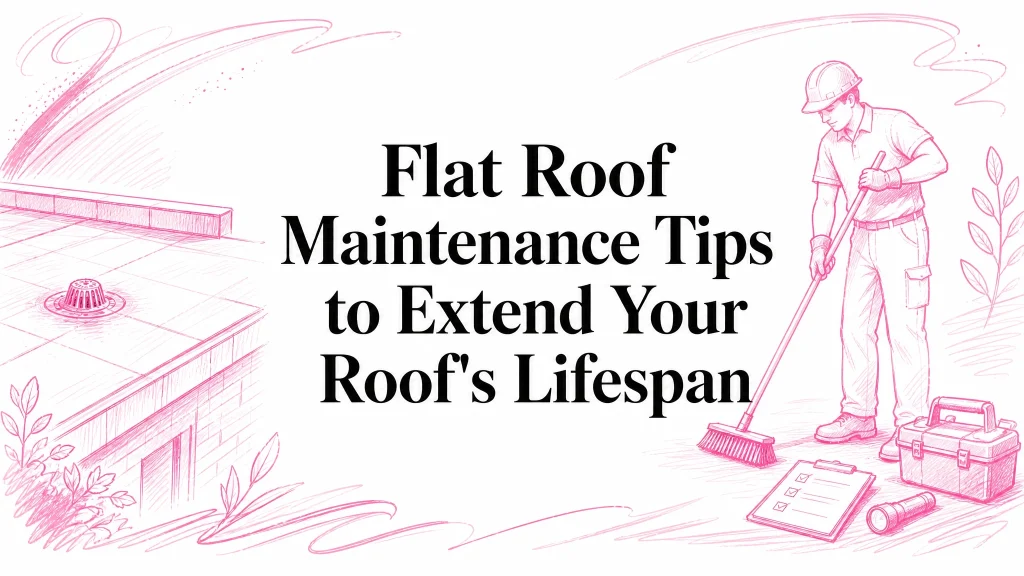
Flat roofs are a practical and modern solution for many buildings, but they come with unique maintenance requirements. Proactive care can significantly extend the lifespan of a flat roof, reduce repair costs, and prevent major issues from developing. In this guide, we provide essential tips to keep your flat roof in top condition.
How Often to Inspect Your Flat Roof: Inspect your flat roof at least twice a year, ideally in spring and autumn. Additional checks after severe weather events can catch damage early.
What to Look For During Inspections: Check for cracks, blisters, or tears in the roofing material. Pay attention to areas where water might pool and inspect the seams and flashing for wear.
DIY vs. Professional Inspections: While basic checks can be done by property owners, a professional inspection once a year can identify subtle issues that may be missed and prevent costly repairs.
Removing Debris and Dirt: Flat roofs can accumulate debris, which holds moisture and leads to material deterioration. Regularly sweep off leaves, branches, and dirt using a soft-bristled broom or a blower.
Best Practices for Safe Roof Cleaning: Ensure safety by using the right equipment, such as a stable ladder and non-slip shoes. Avoid using high-pressure washers that could damage the roofing material.
Avoiding Damage During Cleaning: Gently clear the surface without dragging heavy tools or sharp objects that could puncture the roof membrane.
Importance of Clear Gutters for Flat Roof Maintenance: Blocked gutters can lead to water backup and pooling on your flat roof, increasing the risk of leaks and water damage.
Signs Your Guttering System Needs Attention: Look for water spilling over the sides, sagging gutters, or water stains on the building’s exterior – these are signs that your guttering needs maintenance.
How Overhanging Branches Affect Flat Roofs: Branches that overhang a flat roof can drop leaves and twigs, which collect and hold moisture. Additionally, they pose a risk of physical damage during storms.
Best Practices for Trimming and Maintaining Nearby Trees: Trim branches back to at least three feet from the roof’s edge to prevent debris build-up and potential damage.
Seasonal Considerations for Tree Management: Focus on trimming before stormy seasons and in late autumn when trees have shed most of their leaves.
Causes of Ponding Water on Flat Roofs: Ponding water occurs when parts of the roof sag or have inadequate drainage. Prolonged ponding can weaken roofing materials and lead to leaks.
Solutions to Mitigate Ponding and Improve Drainage: Install additional drains or tapered insulation to direct water flow. Ensure that roof slopes are adequate for water runoff.
Long-Term Prevention Strategies: Regular inspections and maintenance of drains, as well as professional waterproofing solutions, can help prevent water accumulation.
Identifying Weak Points in Flashing and Seals: Flashing around vents, chimneys, and roof edges can deteriorate over time, causing gaps where water can seep through.
Tips for Maintaining Effective Flashing: Check that flashing is firmly secured and free of rust or wear. Seal any small gaps with waterproof roofing caulk.
Repair Techniques to Prevent Leaks: Use roofing cement or a waterproof membrane to repair any compromised areas.
Benefits of Applying Roof Coatings: A protective roof coating can enhance the waterproofing properties of your flat roof and help resist UV damage.
Types of Protective Coatings for Flat Roofs: Common options include elastomeric, silicone, and acrylic coatings, each offering unique benefits. Consult with a roofing specialist to determine the best type for your roof.
How Often to Reapply and Maintain Coatings: Typically, coatings should be reapplied every 5-10 years, depending on the type and exposure level.
When to Call a Professional for Flat Roof Maintenance: If you notice consistent water pooling, large cracks, or significant wear, it’s time to seek professional help. Regular expert check-ups can identify deeper issues early.
Benefits of Regular Professional Roof Maintenance: Professionals offer thorough inspections, advanced repair techniques, and long-term solutions that may not be achievable with DIY methods.
Cost vs. Long-Term Benefits: While professional maintenance may come with an upfront cost, it prevents more significant issues that could lead to expensive repairs or replacements down the line.
Maintaining a flat roof requires consistent attention and proactive measures. By following these tips for flat roof maintenance – including regular inspections, cleaning, and professional servicing – you can extend your roof’s lifespan and prevent costly repairs.
Investing time and effort in proper maintenance today ensures that your flat roof remains durable and dependable for years to come.
Looking for a specialist to help maintain your roofing needs? Contact All Custom Roofing today!
As a trusted, family-run business, All Custom Roofing offers transparent pricing, clear communication, and a comprehensive range of roof maintenance services tailored to commercial needs.